




News
-
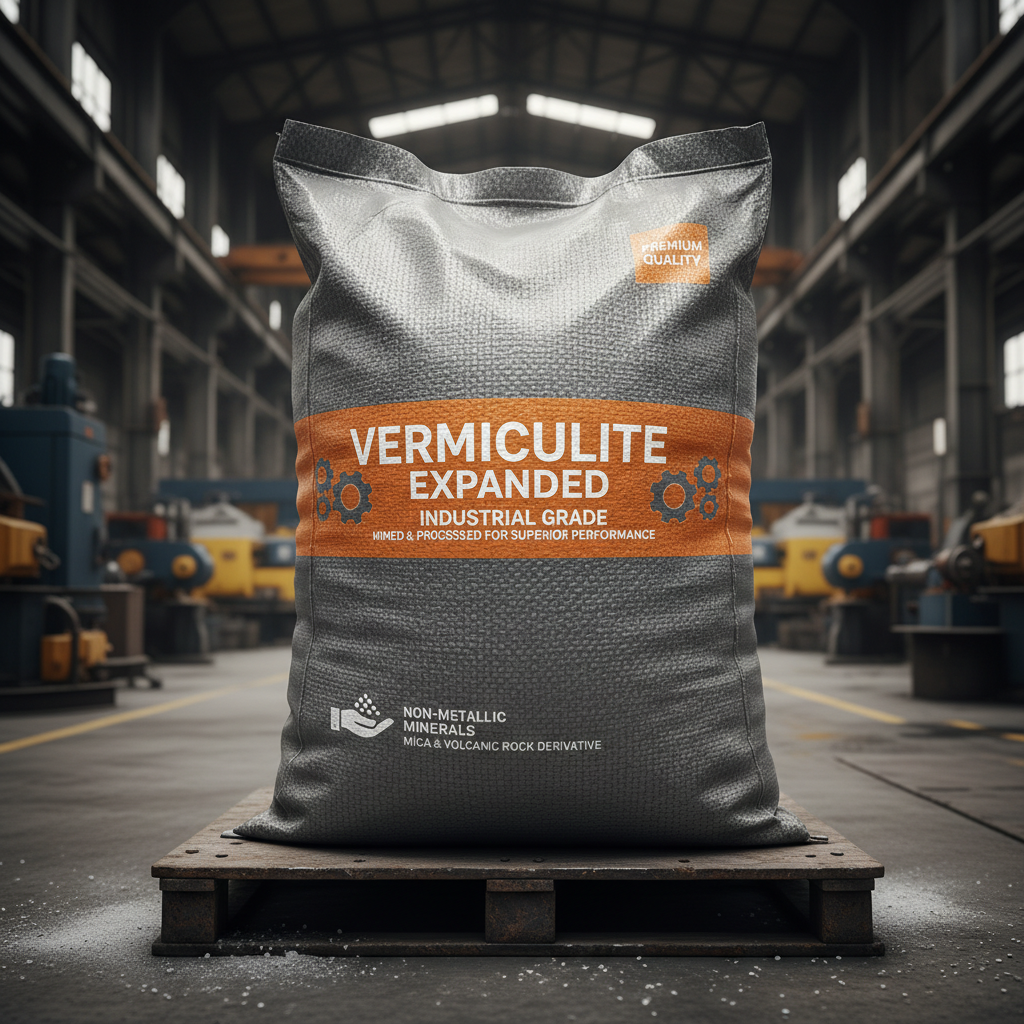 In the world of industrial minerals and horticultural enhancements, few materials are as versatile as expand vermiculite. This remarkable mineral undergoes a dramatic transformation when heated, expanding to many times its original size and creating a lightweight, porous structure. Whether you are looking to improve soil aeration for a commercial greenhouse or seeking high-efficiency thermal insulation for industrial construction, understanding the unique characteristics of this material is key. In this comprehensive guide, we will explore how this expanded mineral works and why it remains a preferred choice for professionals across multiple global industries.Read more
 -
 In the demanding world of geological exploration and construction, the stability of a borehole is the difference between a successful project and a costly failure. drilling bentonite serves as the backbone of modern drilling fluids, providing the essential thixotropic properties needed to maintain wall integrity and transport cuttings to the surface. Whether you are engaged in water well drilling, oil exploration, or geotechnical piling, understanding the chemistry and application of this remarkable clay is crucial for operational efficiency. In this guide, we will explore how high-grade bentonite optimizes drilling performance and reduces equipment wear.Read more
 -
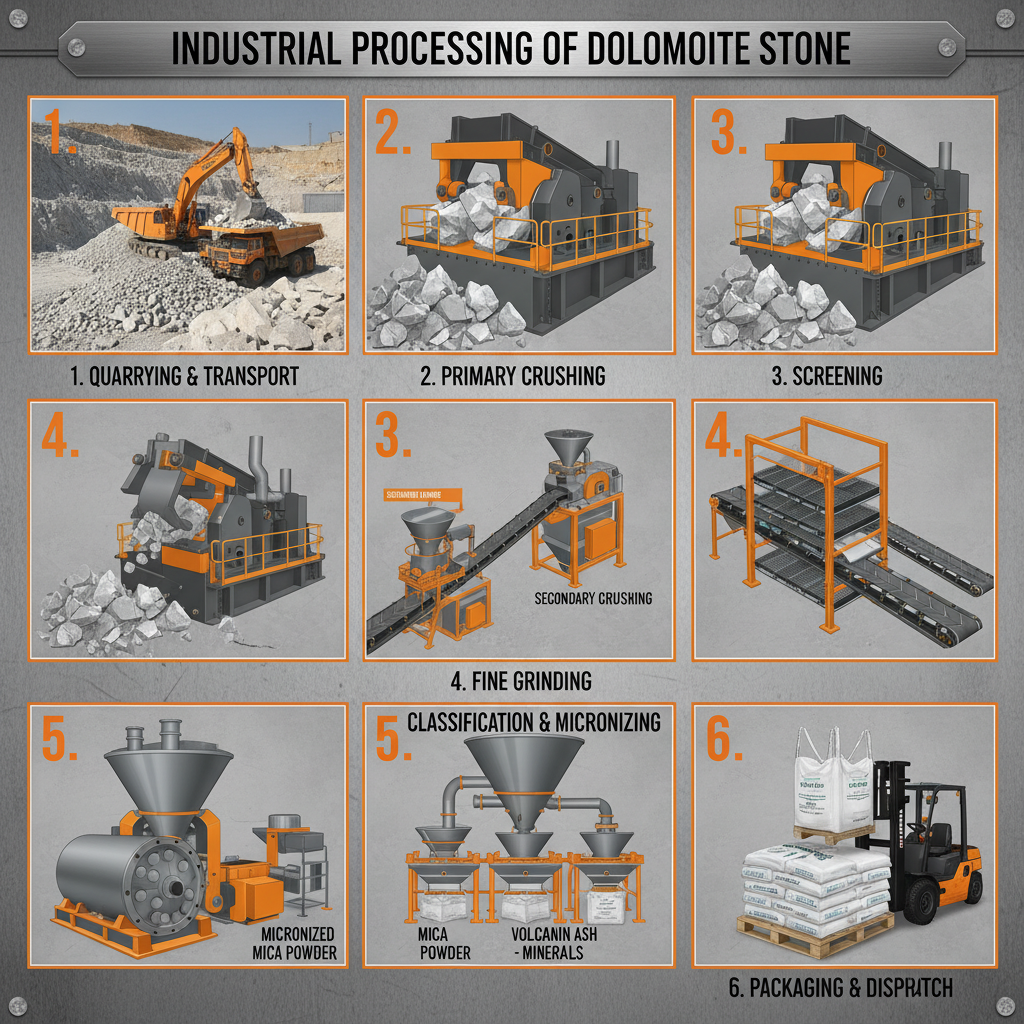 Dolomite stone, a calcium magnesium carbonate, is a versatile sedimentary rock gaining prominence in various industries. From construction and agriculture to environmental applications, its unique properties make it a valuable resource. This article explores the characteristics of dolomite, its diverse applications, sourcing considerations, and why Shun Mining is a trusted supplier. Understanding dolomite's attributes is key to maximizing its potential in your projects.Read more
 -
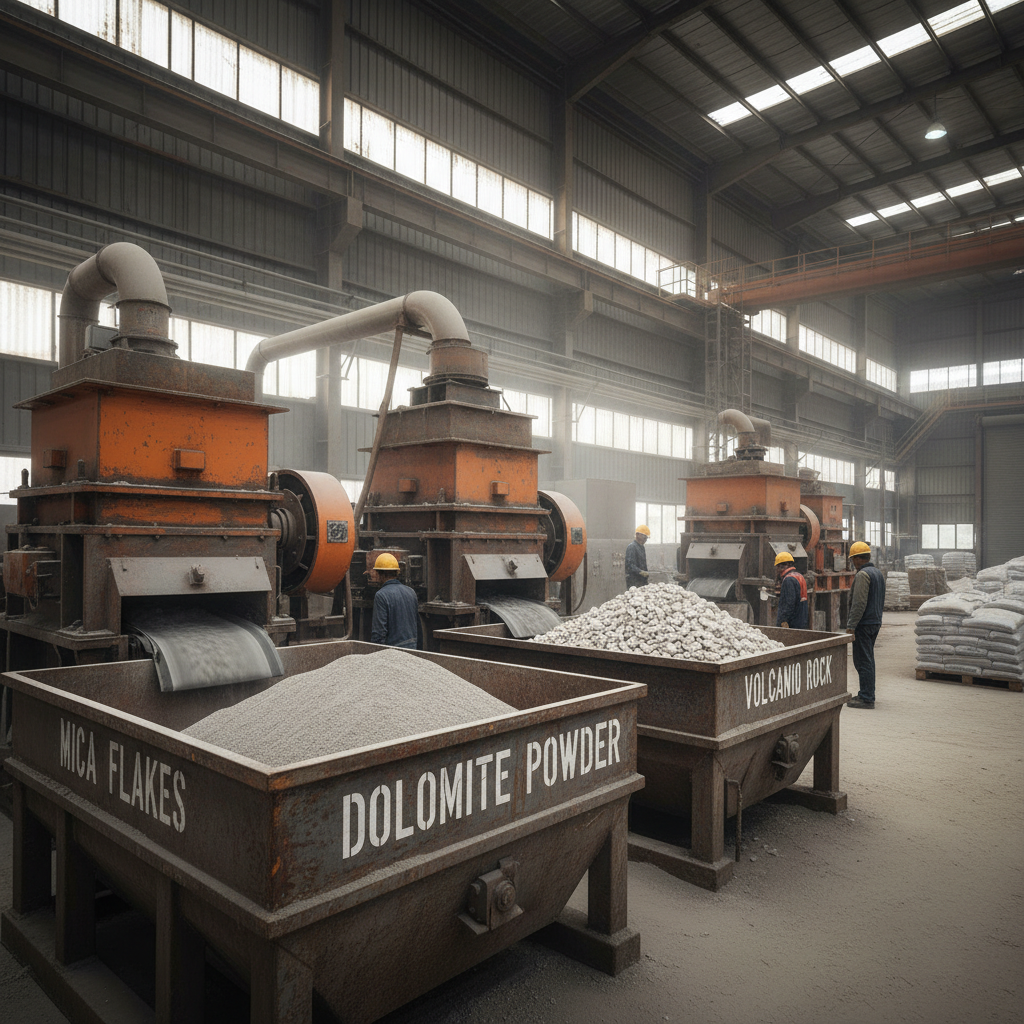 Dolomite powder is a versatile mineral product with a wide array of applications across various industries. Derived from the sedimentary rock dolomite, this finely ground powder boasts unique properties that make it valuable in agriculture, construction, environmental solutions, and more. Understanding its characteristics, uses, and sourcing is crucial for optimizing its benefits. Shun Mining specializes in high-quality dolomite powder, catering to diverse customer needs globally.Read more
 -
 Diatomite, also known as diatomaceous earth, is a naturally occurring, siliceous sedimentary rock composed of fossilized remains of diatoms – a type of hard-shelled algae. This unique material boasts a wide range of industrial and consumer applications due to its exceptional properties like high porosity, large surface area, and chemical inertness. From filtration and absorbency to pest control and even cosmetic uses, diatomite is a surprisingly versatile resource.Read more
 -
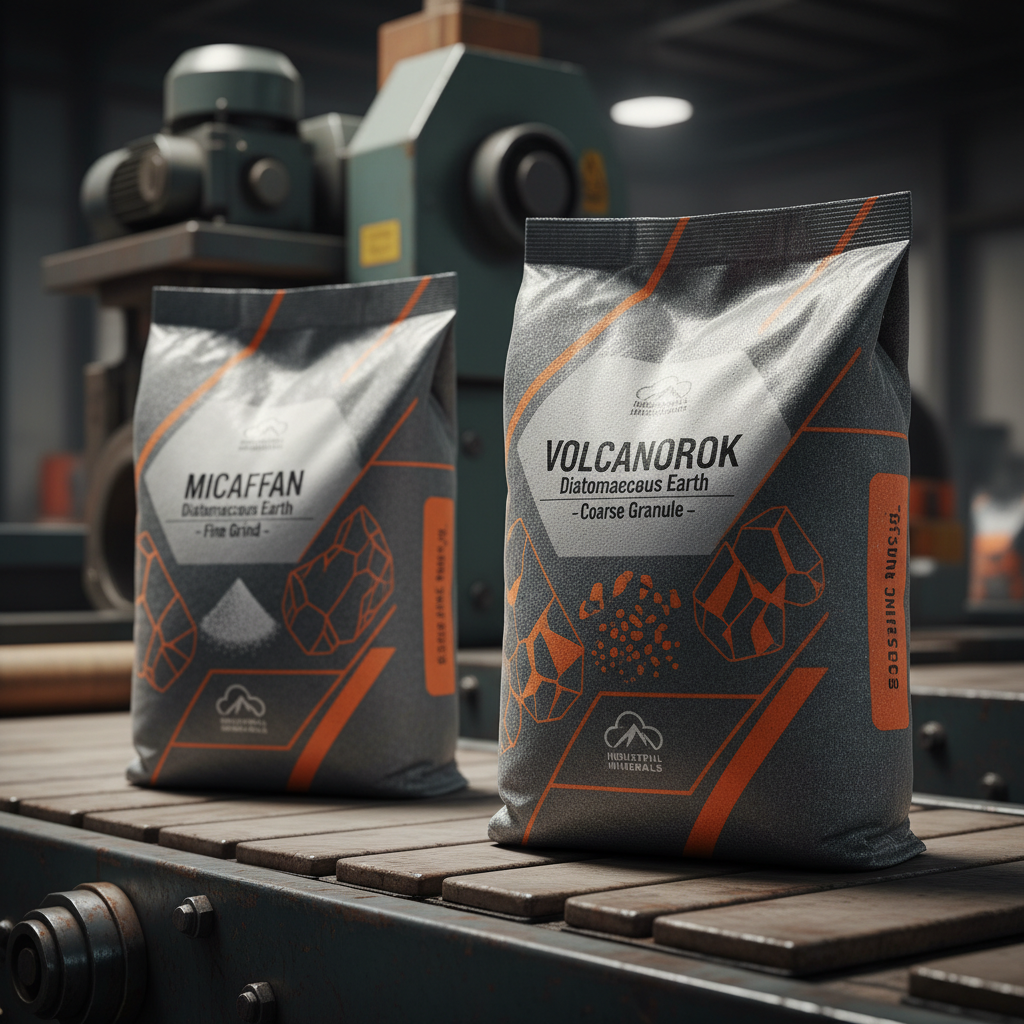 Diatomaceous earth (DE) is a naturally occurring sedimentary rock composed of fossilized remains of diatoms, a type of hard-shelled algae. Its versatility stems from its unique physical and chemical properties, making it valuable across numerous industries. From pest control and filtration to absorbents and even cosmetics, DE offers a safe and effective solution for a wide range of applications. This guide provides an in-depth look at diatomaceous earth, its various grades, uses, benefits, and sourcing options.Read more
 -
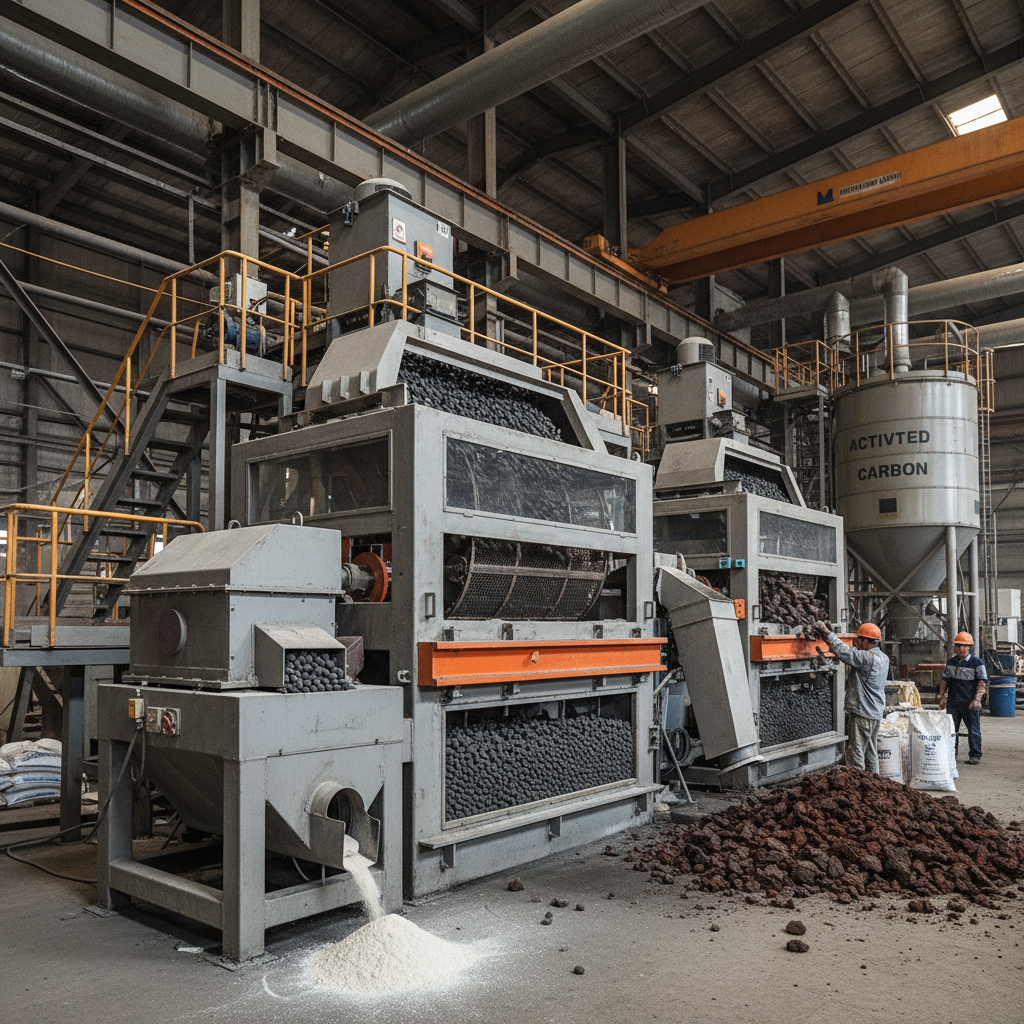 Activated carbon is a versatile material with a wide range of applications, from water purification to air filtration. Among the various forms, cylindrical activated carbon stands out due to its unique properties and benefits. This article provides an in-depth look at cylindrical activated carbon, covering its production, characteristics, applications, and advantages. We'll explore why it's a preferred choice for many industries seeking effective adsorption solutions. Choosing the right type of activated carbon is crucial for optimal performance, and this guide will help you navigate the options. Cylindrical activated carbon, as the name suggests, is produced in a cylindrical shape. It's typically manufactured by extruding a paste of activated carbon material and then drying and hardening it. This shape offers several advantages, including lower pressure drop, improved airflow, and consistent performance. The raw materials can vary, commonly including coal, wood, coconut shell, or other carbon-rich sources. The resulting material boasts a large surface area due to its porous structure, making it highly effective at adsorbing contaminants.Read more
 -
 Cosmetic pigments are essential components in the creation of a vast array of beauty products, from vibrant lipsticks and eyeshadows to flawless foundations and blush. They provide color, opacity, and aesthetic appeal. Choosing the right cosmetic pigment is crucial for product quality, safety, and consumer satisfaction. This article will delve into the types, applications, safety considerations, and latest trends in the world of cosmetic pigments, providing a thorough overview for formulators, manufacturers, and anyone interested in the science of beauty. We’ll explore how these tiny particles create the captivating colors we see in our favorite cosmetics. Cosmetic pigments fall into two main categories: inorganic and organic. Inorganic pigments are typically derived from metal oxides and salts, offering excellent lightfastness and stability. Common examples include iron oxides (providing reds, yellows, and browns), titanium dioxide (a bright white pigment offering opacity), and ultramarines (blues and violets). Organic pigments, on the other hand, are carbon-based compounds, often derived from petroleum or coal tar. They generally offer more vibrant and diverse color options, but may be less stable than inorganic pigments. Examples include D&C Red No. 6, D&C Yellow No. 5, and various lakes. The applications of cosmetic pigments are incredibly diverse. They are used extensively in makeup products such as lipstick, eyeshadow, blush, foundation, and concealer, to impart color and coverage. They also play a vital role in personal care products like sunscreens (titanium dioxide and zinc oxide provide UV protection), lotions, and shampoos.Read more
 -
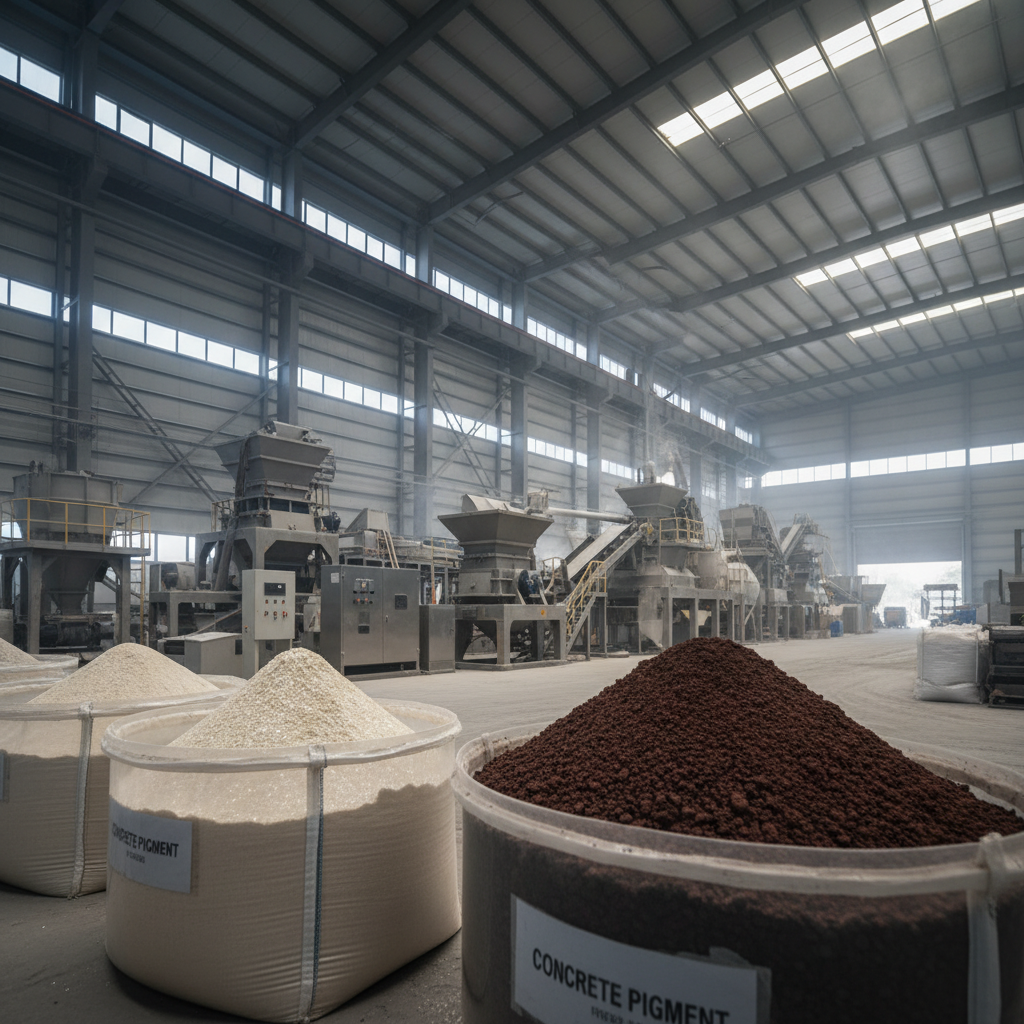 Achieving the perfect color in concrete isn't simply about aesthetics; it’s about enhancing the overall quality and durability of your project. Selecting the right concrete pigment is crucial, impacting everything from the visual appeal to the concrete's resistance to fading. This article explores the world of concrete pigments, covering types, applications, benefits, and how to choose the best option for your specific needs. We’ll guide you through the factors influencing color selection and long-term performance. Concrete pigments are broadly categorized into inorganic and organic types. Inorganic pigments, such as iron oxides, are known for their exceptional lightfastness, chemical stability, and resistance to fading. They’re ideal for exterior applications and projects requiring long-term color retention. Organic pigments offer a wider range of vibrant colors but generally have lower lightfastness and aren't recommended for prolonged sun exposure. Mineral oxides are the most popular choice due to their stability, cost-effectiveness, and color range.Read more
 -
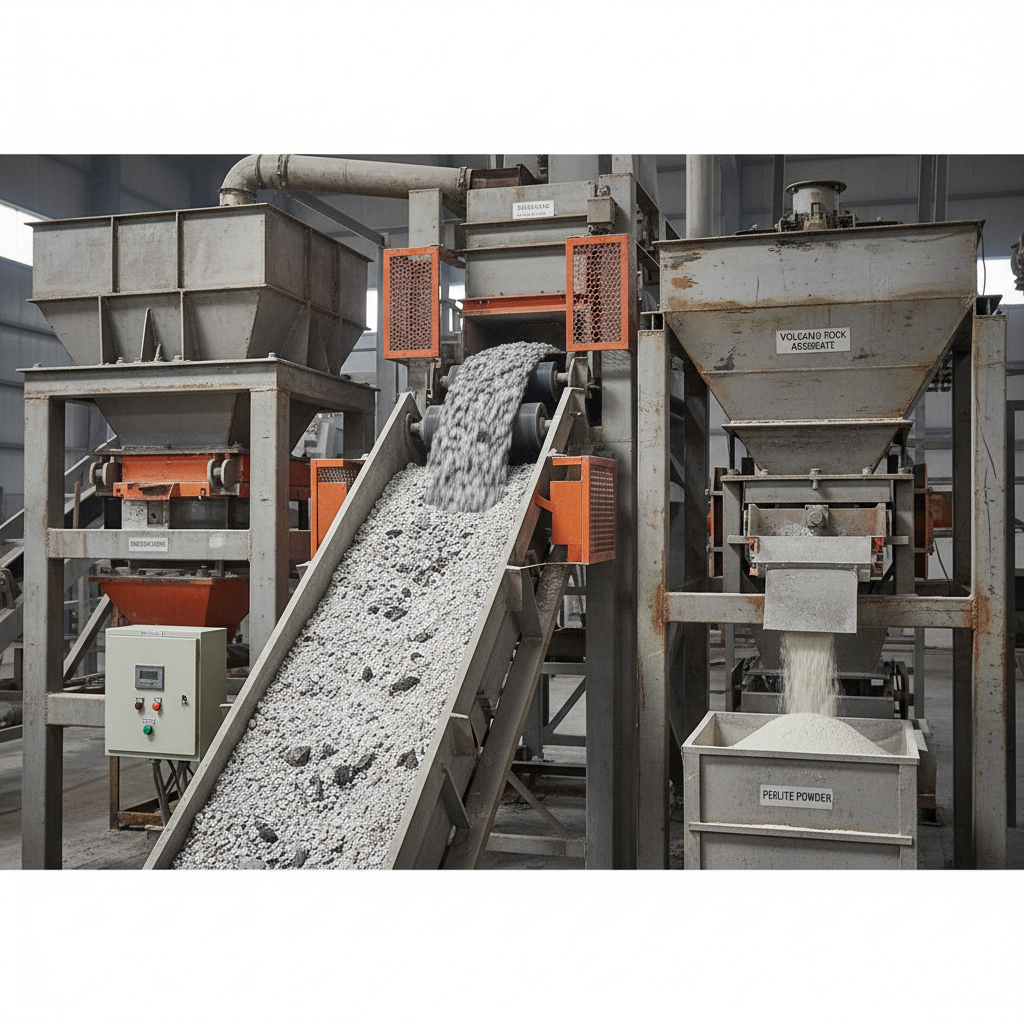 Concrete perlite is a lightweight aggregate material increasingly popular in construction and various industrial applications. Produced by expanding volcanic glass, perlite offers significant advantages over traditional aggregates, including reduced weight, improved thermal insulation, and enhanced fire resistance. This guide will explore the properties, benefits, applications, and considerations for using concrete perlite, providing valuable insights for professionals and anyone interested in sustainable building materials. Understanding how this material can improve your projects is crucial in today's construction landscape. The manufacturing process begins with crude perlite, a volcanic glass. This material is heated rapidly to extremely high temperatures (typically around 850-900°C / 1562-1652°F). This intense heat causes trapped water within the volcanic glass to vaporize, expanding the material by as much as 20 times its original volume. The resulting lightweight, porous granules are then screened to specific sizes for use in concrete mixtures.Read more


