




Guide to Expand Vermiculite Properties and Industrial Applications
The Ultimate Guide to Expand Vermiculite: Properties and Applications
In the world of industrial minerals and horticultural enhancements, few materials are as versatile as expand vermiculite. This remarkable mineral undergoes a dramatic transformation when heated, expanding to many times its original size and creating a lightweight, porous structure. Whether you are looking to improve soil aeration for a commercial greenhouse or seeking high-efficiency thermal insulation for industrial construction, understanding the unique characteristics of this material is key. In this comprehensive guide, we will explore how this expanded mineral works and why it remains a preferred choice for professionals across multiple global industries.
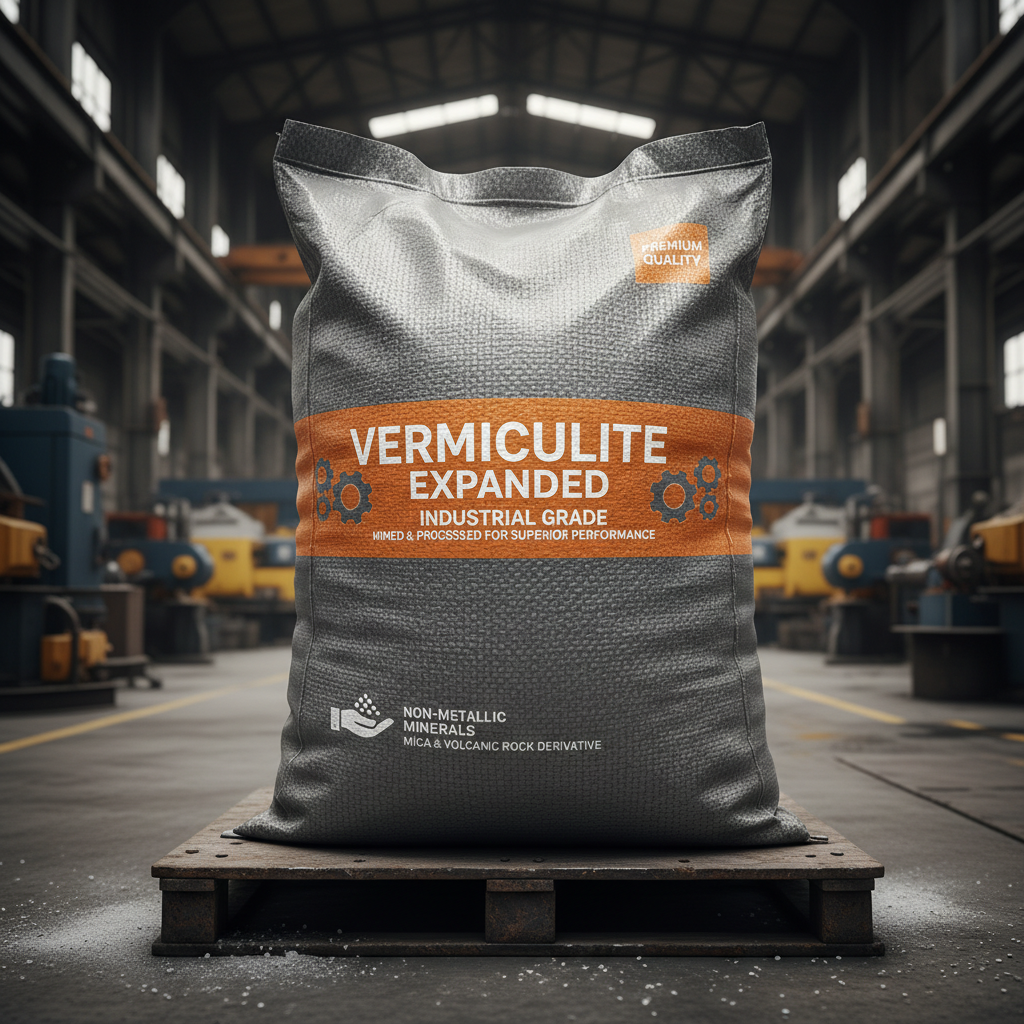
What is Expand Vermiculite and How is it Made?
To understand expand vermiculite, one must first look at its raw form. Naturally occurring vermiculite is a micaceous mineral that contains a significant amount of chemically bonded water. When this raw ore is subjected to rapid heating in a specialized furnace, the water turns to steam, forcing the mineral layers to push apart—much like popping corn. This process, known as exfoliation, transforms a dense rock into a lightweight, accordion-like structure.
Pro Tip: The quality of the final expanded product depends heavily on the purity of the raw ore and the precision of the temperature control during the expansion process.
Key Advantages of Using Expand Vermiculite in Horticulture
Gardeners and commercial growers frequently utilize expand vermiculite as a soil conditioner. Its primary strength lies in its ability to retain water and nutrients while simultaneously providing essential aeration for root systems. Unlike denser soils, expanded vermiculite prevents compaction, ensuring that oxygen can reach the roots, which is critical for plant health and rapid growth.
Horticultural Benefits:
• High Water Retention: Reduces the frequency of irrigation.
• Cation Exchange Capacity: Holds onto essential minerals effectively.
• Sterility: Naturally free of pests and weed seeds.
• Lightweight Nature: Ideal for container gardening and roof gardens.
Industrial Applications of Expand Vermiculite
Beyond the garden, expand vermiculite is a powerhouse in industrial sectors. Its most notable industrial property is its fire resistance. Because it is inorganic and can withstand extremely high temperatures without melting or emitting toxic fumes, it is often used as a lightweight aggregate in fireproof plasters and insulating concrete. Additionally, its low thermal conductivity makes it an excellent choice for cryogenic insulation and specialty packaging.
Expand Vermiculite vs. Perlite: Which One to Choose?
A common debate among professionals is whether to use expand vermiculite or perlite. While both are expanded minerals, they serve different purposes. Perlite is primarily used for increasing aeration and drainage (it lets water run through), whereas vermiculite is designed for moisture retention and nutrient holding. Choosing the right one depends entirely on the specific needs of your project or plant species.
Technical Specifications of High-Grade Expand Vermiculite
When sourcing expand vermiculite for industrial or commercial use, it is essential to look at the technical specifications. The bulk density and particle size distribution determine how the material will behave in a mix. For instance, a lower bulk density generally indicates a higher expansion ratio, which is preferable for thermal insulation applications.
Conclusion: Maximizing Efficiency with Expand Vermiculite
Whether utilized in the precision of a laboratory, the growth of a commercial nursery, or the safety of a fireproof building, expand vermiculite offers unmatched versatility. Its unique combination of lightweight structure, moisture retention, and thermal stability makes it an indispensable asset in modern material science. By choosing a high-quality expanded mineral, you ensure longevity, safety, and efficiency in your operations. Invest in the right materials to achieve professional-grade results.
Frequently Asked Questions (FAQs)
Can expand vermiculite be reused?
Yes, expanded vermiculite can generally be reused. In horticultural settings, you can remove it from old potting soil, rinse it thoroughly with water to remove salts and organic debris, and sterilize it in an oven or with a mild solution before mixing it into new soil. However, for industrial applications like fire-stopping or insulation, it is typically considered a permanent installation and is not intended for reuse. Proper cleaning is essential if reusing in gardening to prevent the transfer of pathogens.
Is expand vermiculite safe for all types of plants?
Expand vermiculite is safe for the vast majority of plants, but it is most beneficial for those that prefer consistently moist soil. Because it holds water so effectively, it is ideal for seed starting, hydroponics, and moisture-loving tropicals. However, for succulents, cacti, or orchids that require rapid drainage and "dry feet," using too much vermiculite can lead to root rot. In those cases, blending it with perlite or coarse sand is recommended to balance the moisture levels.
How does it differ from raw vermiculite?
The difference is primarily physical and functional. Raw vermiculite is a dense, heavy mineral flake with very little porosity. It cannot hold significant amounts of air or water and is not suitable for planting or insulation. Through the process of thermal expansion, the raw mineral becomes "expanded," which increases its volume by up to 20 times and creates the porous, lightweight cells that give expand vermiculite its famous insulating and absorbent properties.
What is the shelf life of expanded vermiculite?
Because expanded vermiculite is an inorganic mineral, it does not expire or degrade over time. It has an indefinite shelf life as long as it is stored in a dry place and kept free from contamination. It will not break down or lose its effectiveness even after years of storage. This makes it a cost-effective material for large-scale industrial procurement, as companies can stock large quantities without worrying about the product spoiling or losing its technical properties.
Share
-
Guide to Expand Vermiculite Properties and Industrial ApplicationsNewsApr.16,2026
-
Ultimate Guide to Drilling Bentonite for Borehole StabilityNewsApr.09,2026
-
Exploring Dolomite Stone Properties Applications and Sourcing OptionsNewsApr.07,2026
-
Comprehensive Guide to Dolomite Powder Applications and Industrial BenefitsNewsApr.04,2026
-
Comprehensive Guide to Diatomite Properties Applications and SourcingNewsMar.31,2026
-
Exploring Diatomaceous Earth A Comprehensive Guide to Uses and BenefitsNewsMar.28,2026


