




News
-
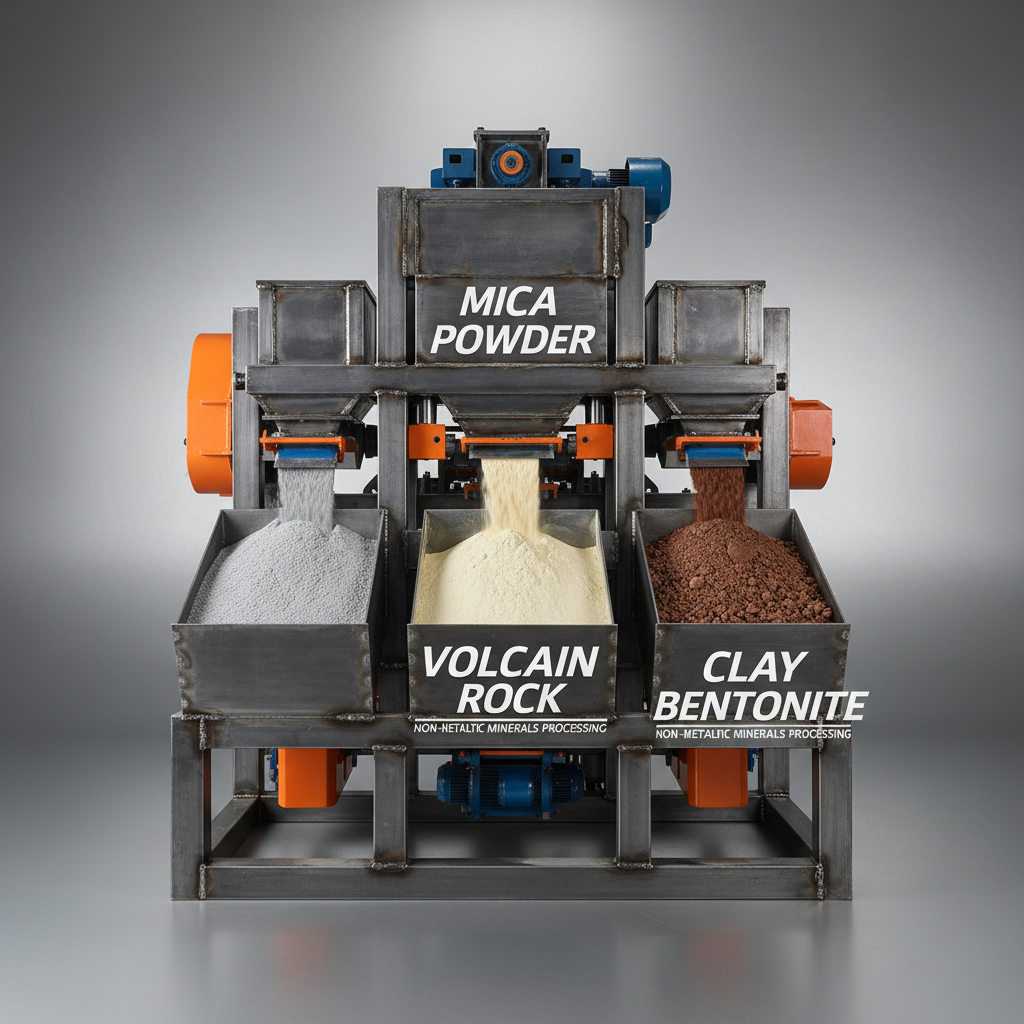 Clay bentonite is a highly versatile natural clay formed from the weathering of volcanic ash. Its unique properties, including exceptional swelling capacity, high adsorption rates, and excellent sealing abilities, make it invaluable across numerous industries. From drilling and construction to cosmetics and environmental remediation, Shun Mining provides high-quality bentonite solutions tailored to diverse needs. This article will delve into the science behind bentonite, its wide-ranging applications, and considerations for sourcing a reliable supplier. Bentonite clay is primarily composed of montmorillonite, a smectite clay mineral. This mineral structure is responsible for bentonite's characteristic swelling when hydrated. The presence of cations like sodium, calcium, potassium, and magnesium influences the clay’s properties. Sodium bentonite, for example, exhibits greater swelling capacity than calcium bentonite. This swelling action makes it incredibly effective as a sealant and stabilizer. Shun Mining offers both sodium and calcium bentonite, carefully processed to meet specific industrial demands. The remarkable properties of clay bentonite translate into a diverse array of applications. In the oil and gas industry, it’s a critical component of drilling fluids, providing viscosity and suspending drill cuttings. Construction utilizes bentonite for slurry walls, soil stabilization, and waterproofing.Read more
 -
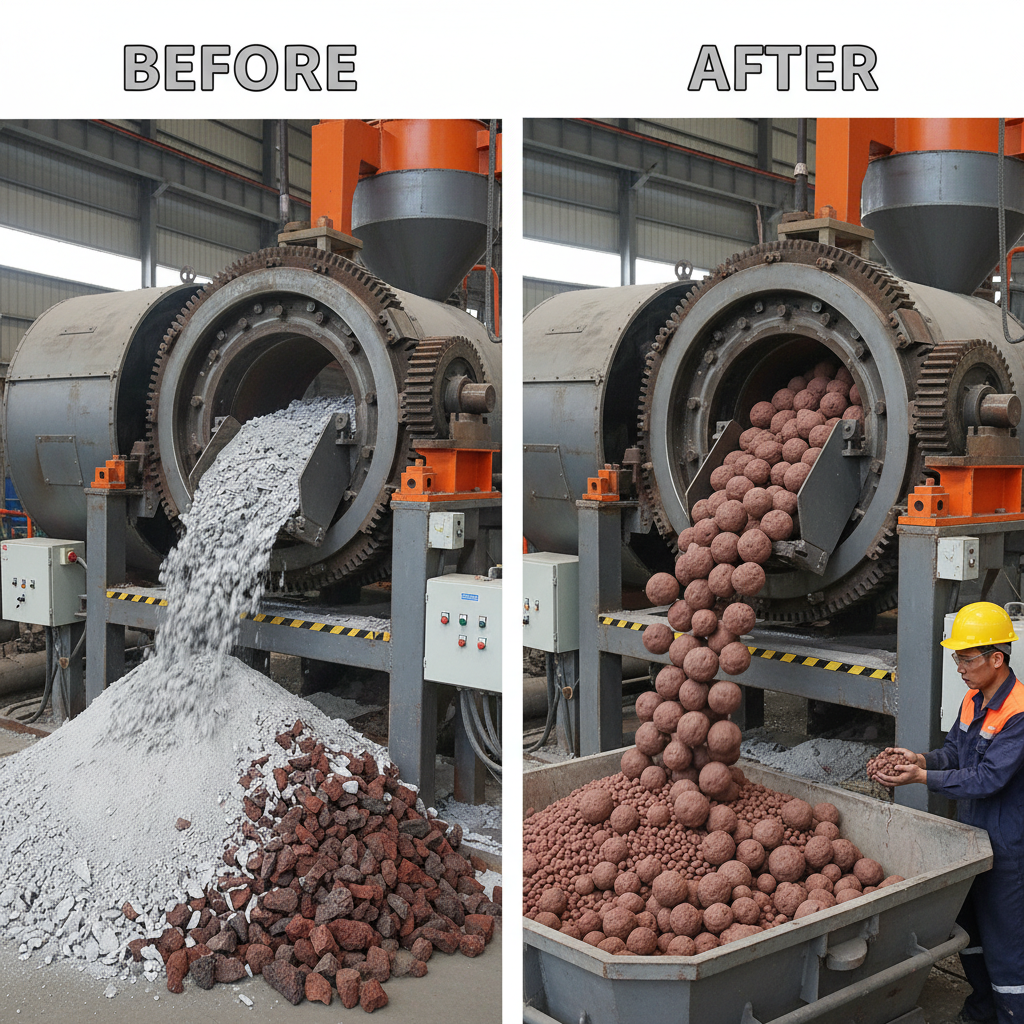 Ceramsite, also known as ceramic lightweight aggregate, is a versatile material gaining prominence in numerous industries. Its unique properties – lightweight, high strength, and excellent insulation – make it an ideal choice for applications ranging from construction to horticulture. This article delves into the world of ceramsite, exploring its manufacturing process, diverse uses, and the advantages it offers. Understanding ceramsite can unlock innovative solutions for various challenges. Ceramsite is manufactured through the heating of clay minerals, shale, or slate to high temperatures, typically between 1100°C and 1300°C. This process causes the materials to expand, creating a porous, lightweight structure. The resulting granules are spherical or irregular in shape and exhibit excellent thermal and acoustic insulation properties.Read more
 -
Calcium powder, a versatile and essential compound, finds applications across diverse industries, from food and pharmaceuticals to construction and agriculture. Its role as a vital nutrient and industrial ingredient makes understanding its properties, types, and applications crucial. This article provides an in-depth look at calcium powder, exploring its benefits, various grades, and sourcing from a reputable supplier like Shun Mining. Understanding the nuances of calcium powder can empower informed purchasing decisions and optimize its usage in your specific application. Calcium powder refers to finely ground calcium compounds, most commonly calcium carbonate (CaCO3) and calcium hydroxide (Ca(OH)2). These powders are valued for their high calcium content, alkalinity, and relatively low cost. The specific properties of the calcium powder depend on its source and manufacturing process. For instance, calcium carbonate can be sourced from limestone, chalk, or marble, while calcium hydroxide is produced by hydrating calcium oxide (quicklime). The particle size distribution is also critical, influencing its reactivity and suitability for different applications.Read more
-
Calcium hydroxide (Ca(OH)₂) is a widely used inorganic compound with applications spanning various industries, from construction and water treatment to food processing and pharmaceuticals. Also known as slaked lime or hydrated lime, its versatile properties make it a valuable component in countless processes. This article explores the properties, production, uses, safety considerations, and sourcing of calcium hydroxide. We will delve into its importance in maintaining pH levels, its role in industrial applications, and how to responsibly handle this essential chemical. Calcium hydroxide is a white powder that is sparingly soluble in water. This limited solubility is key to its many applications. It’s a strong base, meaning it has a high pH when dissolved, making it excellent for neutralizing acids. The primary method of calcium hydroxide production involves hydrating calcium oxide (CaO), commonly known as quicklime. This reaction is exothermic, releasing substantial heat. The applications of calcium hydroxide are diverse and impactful. In the construction industry, it’s a vital component of mortar and plaster, providing workability and strength.Read more
-
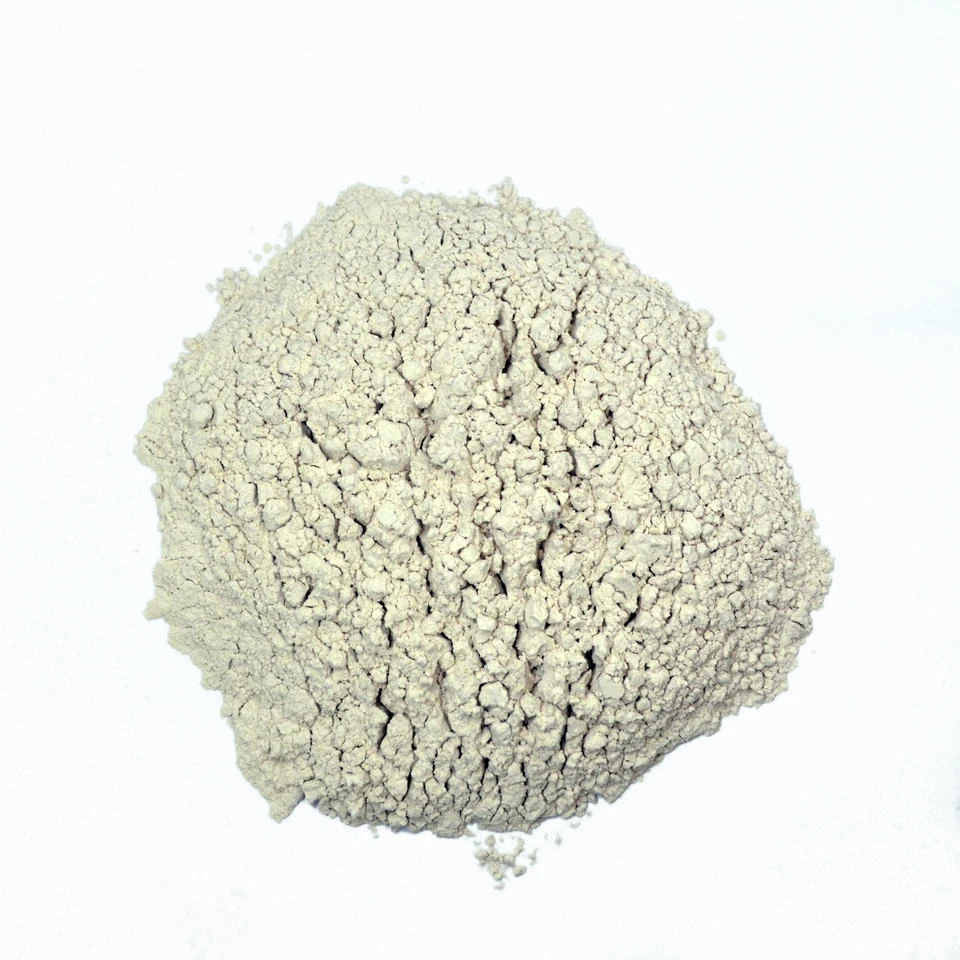 Bentonite is a naturally occurring clay mineral primarily composed of montmorillonite, formed from the alteration of volcanic ash.Read more
 -
Calcium carbonate (CaCO₃) is a widely used industrial mineral with diverse applications, ranging from construction materials to pharmaceuticals. Its abundance, relatively low cost, and versatile properties make it a valuable component in numerous products. This article will explore the various types of calcium carbonate, its key applications, sourcing considerations, and why ShunMining is a trusted supplier. Understanding the different grades and origins of calcium carbonate is vital for achieving optimal results in your specific applications. Calcium carbonate exists in several crystalline forms, the most common being calcite and aragonite. Furthermore, it's categorized based on its particle size: ground calcium carbonate (GCC) and precipitated calcium carbonate (PCC). GCC is produced by mechanically grinding natural limestone or marble, resulting in larger, irregular particles. PCC, on the other hand, is synthetically produced through a chemical precipitation process, allowing for precise control over particle size, shape, and purity. The choice between GCC and PCC depends on the specific application requirements. For instance, PCC is often preferred in applications requiring high brightness and whiteness, while GCC is more cost-effective for filler applications.Read more
-
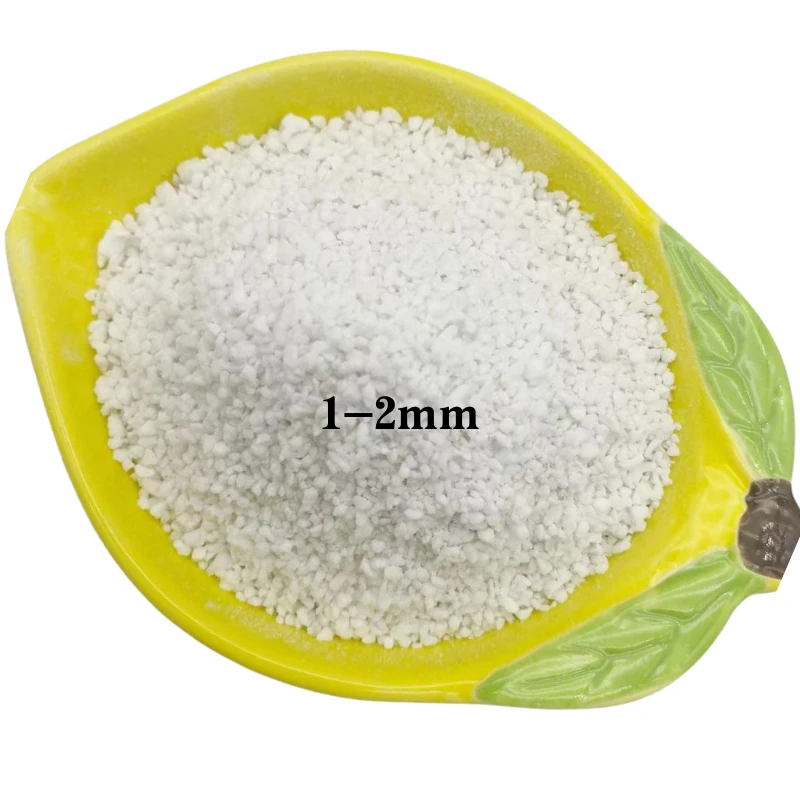 Perlite and vermiculite are essential industrial minerals derived from naturally occurring volcanic and silicate sources.Read more
 -
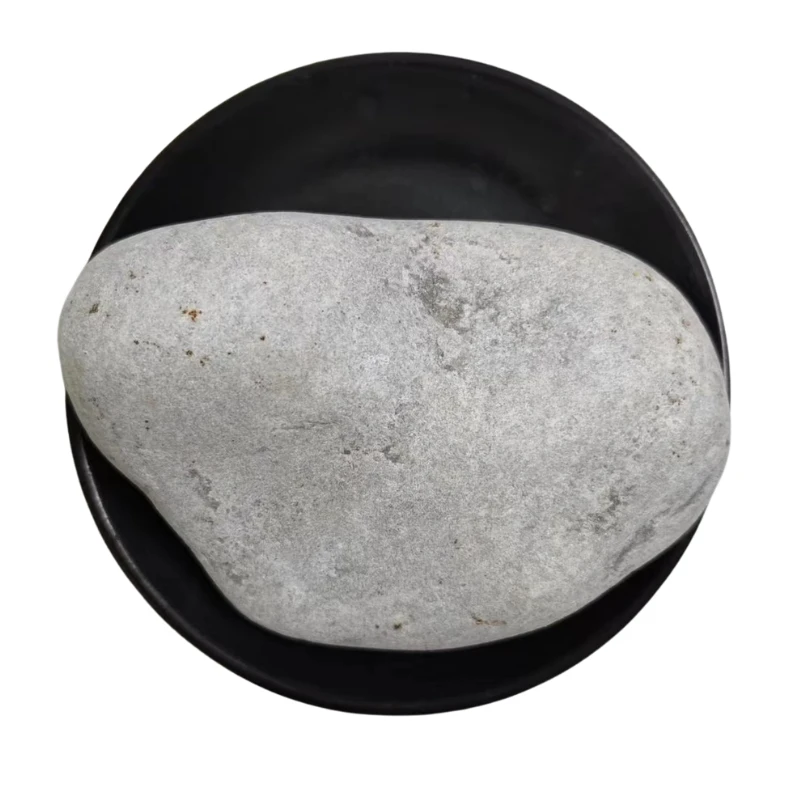 Expanded clay pebbles, also known as ceramsite or lightweight expanded clay aggregate (LECA), are produced by heating natural clay to approximately 1,200°C (2,192°F).Read more
 -
Calcium carbonate powder is a versatile industrial material with a wide range of applications. From plastics and paints to pharmaceuticals and agriculture, its properties make it an essential ingredient in numerous products. This article provides an in-depth look at calcium carbonate powder, exploring its types, production methods, applications, and key considerations for sourcing. We will delve into the various grades and particle sizes, helping you understand how to select the optimal powder for your specific needs. Calcium carbonate (CaCO3) is a common chemical compound found in rocks as the minerals calcite and aragonite – most notably as limestone, which is used to manufacture calcium carbonate powder. There are two primary types of calcium carbonate powder: Ground Calcium Carbonate (GCC) and Precipitated Calcium Carbonate (PCC). GCC is produced by mechanically grinding naturally occurring limestone or marble, while PCC is manufactured through a chemical precipitation process.Read more
-
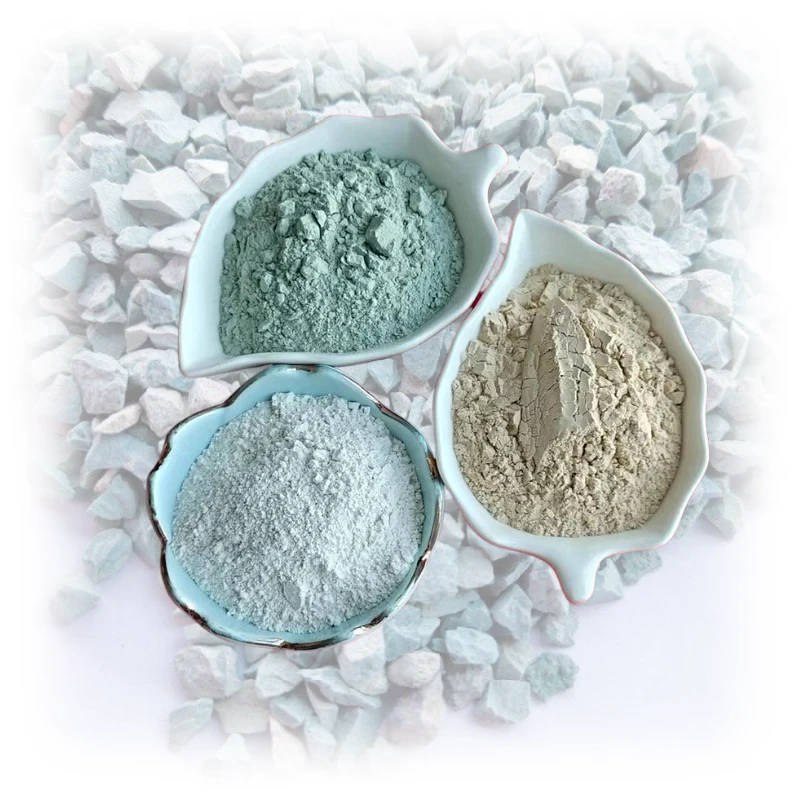 Natural and synthetic zeolites are crystalline aluminosilicates characterized by a highly porous structure and a well-defined framework of silicon and aluminum tetrahedra.Read more


