




Ultimate Guide to Drilling Bentonite for Borehole Stability
The Ultimate Guide to Drilling Bentonite: Enhancing Borehole Stability
In the demanding world of geological exploration and construction, the stability of a borehole is the difference between a successful project and a costly failure. drilling bentonite serves as the backbone of modern drilling fluids, providing the essential thixotropic properties needed to maintain wall integrity and transport cuttings to the surface. Whether you are engaged in water well drilling, oil exploration, or geotechnical piling, understanding the chemistry and application of this remarkable clay is crucial for operational efficiency. In this guide, we will explore how high-grade bentonite optimizes drilling performance and reduces equipment wear.
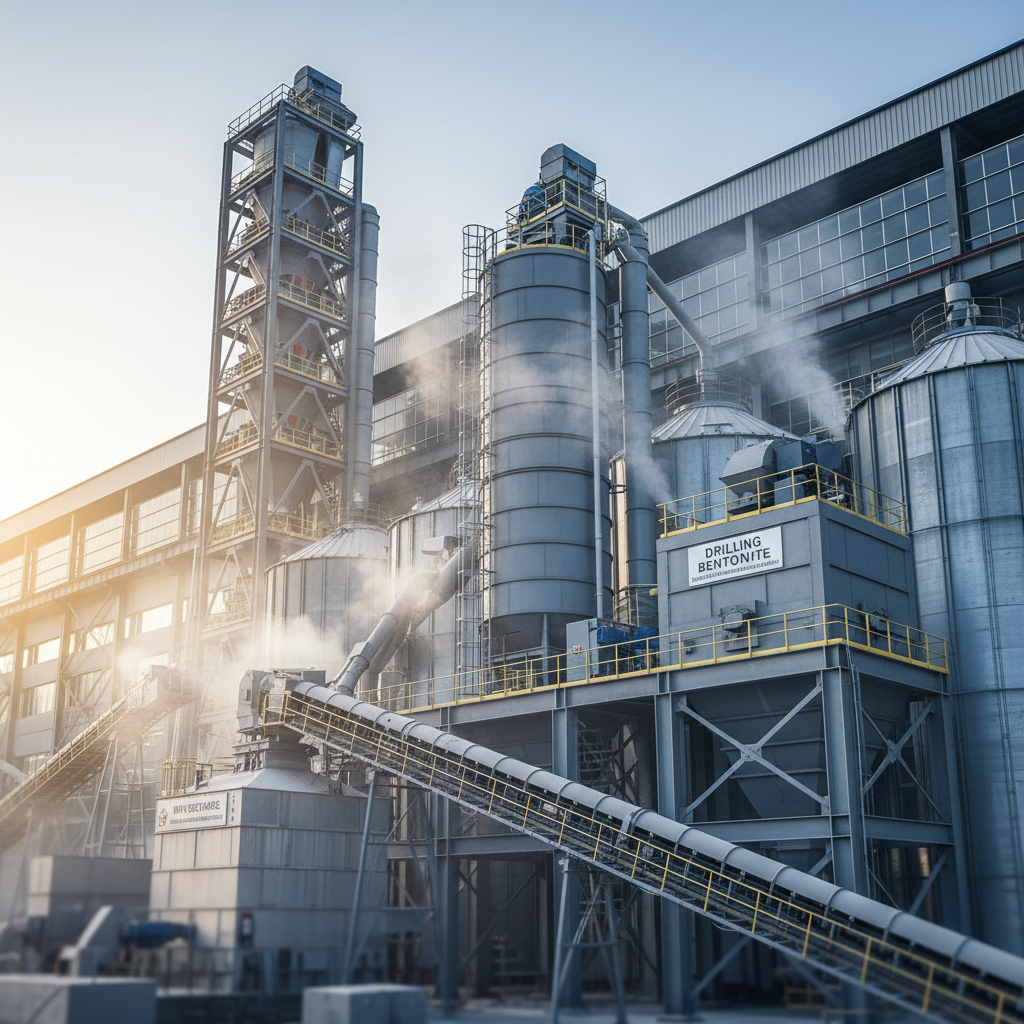
How Drilling Bentonite Works in the Borehole
The primary function of drilling bentonite is to create a "filter cake" on the borehole wall. As the fluid is pumped down, the bentonite particles penetrate the permeable layers of the soil or rock, forming a thin, impermeable layer that prevents the drilling fluid from leaking into the surrounding formation. This process not only prevents the walls from collapsing but also maintains the hydrostatic pressure necessary to prevent groundwater influx. Thixotropy is the key characteristic here; the fluid remains liquid while being agitated but turns into a gel when static, suspending drill cuttings and preventing them from falling back to the bottom of the hole.
Key Benefits of Using Premium Drilling Bentonite
Using a high-purity sodium bentonite ensures that the drilling process is both faster and safer. One of the most significant advantages is the reduction of friction between the drill string and the borehole wall, which minimizes the risk of "stuck pipe" incidents. Additionally, the lubricating properties of the mud extend the lifespan of the drill bits by reducing heat and wear. By optimizing the viscosity of the drilling bentonite mixture, engineers can ensure that cuttings are removed efficiently, reducing the volume of waste and the time required for each drilling cycle.
Operational Impact: Premium bentonite can reduce drill bit wear by up to 30% and significantly lower the risk of wall cave-ins in unstable sandy or clayey formations.
Comparing Sodium Bentonite vs. Calcium Bentonite for Drilling
Not all clays are created equal. In the drilling industry, the choice between sodium and calcium bentonite is critical. Sodium bentonite is the gold standard for drilling bentonite because of its superior swelling capacity and ability to form a high-viscosity gel. Calcium bentonite, while useful in other industrial applications, lacks the necessary swelling properties to effectively seal a borehole. The following table highlights the technical differences that make sodium bentonite the preferred choice for professional drilling operations.
Application Areas of Drilling Bentonite
The versatility of drilling bentonite makes it indispensable across various sectors. In water well drilling, it prevents the loss of drilling fluid into porous aquifers. In directional drilling, it provides the necessary lubrication to navigate the drill bit through complex paths. Furthermore, in piling and diaphragm wall construction, bentonite slurry supports the excavation walls before concrete is poured. Each application requires a specific mix ratio to balance viscosity and density, ensuring the stability of the structure under varying geological pressures.
Technical Specifications for Drilling Bentonite
To ensure consistent performance, professional drilling bentonite must adhere to strict chemical and physical standards. The most critical metrics are the API (American Petroleum Institute) viscosity and the yield point. High-quality bentonite ensures a rapid build-up of gel strength, which is essential for suspending heavy cuttings during pump shutdowns. Below are the typical technical specifications for a premium grade product used in international trade.
Best Practices for Mixing Bentonite Mud
Achieving the perfect consistency of drilling bentonite requires more than just mixing powder with water. The order of addition and the method of agitation are critical. It is recommended to use a high-shear mixer to break up "fish-eyes" (clumps of dry powder surrounded by gel) which can clog pumps and reduce efficiency. Additionally, monitoring the water quality is essential; high concentrations of salts in the mixing water can inhibit the swelling of sodium bentonite, necessitating the use of additives or pre-treatment to maintain the desired viscosity.
Conclusion: Optimizing Your Project with Professional Bentonite
The strategic use of high-quality drilling bentonite is an investment in the safety and efficiency of any drilling operation. From the creation of a robust filter cake to the efficient transport of cuttings, the right grade of bentonite minimizes risks and maximizes productivity. By selecting a supplier that adheres to API standards and understands the geological challenges of your site, you ensure a stable borehole and a successful project outcome. Prioritize quality, follow mixing best practices, and let the power of bentonite secure your subterranean goals.
Frequently Asked Questions (FAQs)
What is the main difference between sodium and calcium bentonite for drilling?
The primary difference lies in the swelling capacity. Sodium bentonite is highly expansive; when mixed with water, it swells significantly to create a thick, viscous gel that is ideal for sealing borehole walls and suspending cuttings. Calcium bentonite does not swell to the same extent and cannot create the impermeable filter cake required to prevent borehole collapse. Therefore, for any professional drilling operation, sodium-based drilling bentonite is the only viable choice for stabilization.
How do I prevent "fish-eyes" when mixing bentonite?
"Fish-eyes" occur when the outer layer of a bentonite clump hydrates instantly, creating a waterproof barrier that prevents the inner powder from wetting. To prevent this, always add the powder slowly to the water while maintaining constant, high-shear agitation. Using a professional mixing hopper or a high-speed ventilator mixer is highly recommended. Additionally, ensuring the water is clean and free of contaminants helps the drilling bentonite hydrate uniformly.
Can bentonite be used in salt-water drilling environments?
Standard sodium bentonite is sensitive to salts, which can cause the clay to flocculate and lose its viscosity and sealing properties. However, for salt-water environments, specialized "salt-stable" bentonite or additives like polymers can be used. These modifications prevent the ions in the salt water from collapsing the clay structure, allowing the drilling bentonite to remain effective in saline conditions.
How does bentonite reduce the risk of stuck pipes?
Bentonite reduces the risk of stuck pipes in two ways: lubrication and wall support. First, the slick nature of the hydrated clay reduces the physical friction between the drill string and the borehole wall. Second, by forming a strong, consistent filter cake, it prevents the borehole walls from sloughing or caving in on the drill pipe. This dual action ensures that the drill string can move freely, significantly reducing downtime and the risk of equipment loss during drilling bentonite application.
Share
-
Guide to Expand Vermiculite Properties and Industrial ApplicationsNewsApr.16,2026
-
Ultimate Guide to Drilling Bentonite for Borehole StabilityNewsApr.09,2026
-
Exploring Dolomite Stone Properties Applications and Sourcing OptionsNewsApr.07,2026
-
Comprehensive Guide to Dolomite Powder Applications and Industrial BenefitsNewsApr.04,2026
-
Comprehensive Guide to Diatomite Properties Applications and SourcingNewsMar.31,2026
-
Exploring Diatomaceous Earth A Comprehensive Guide to Uses and BenefitsNewsMar.28,2026


