




News
-
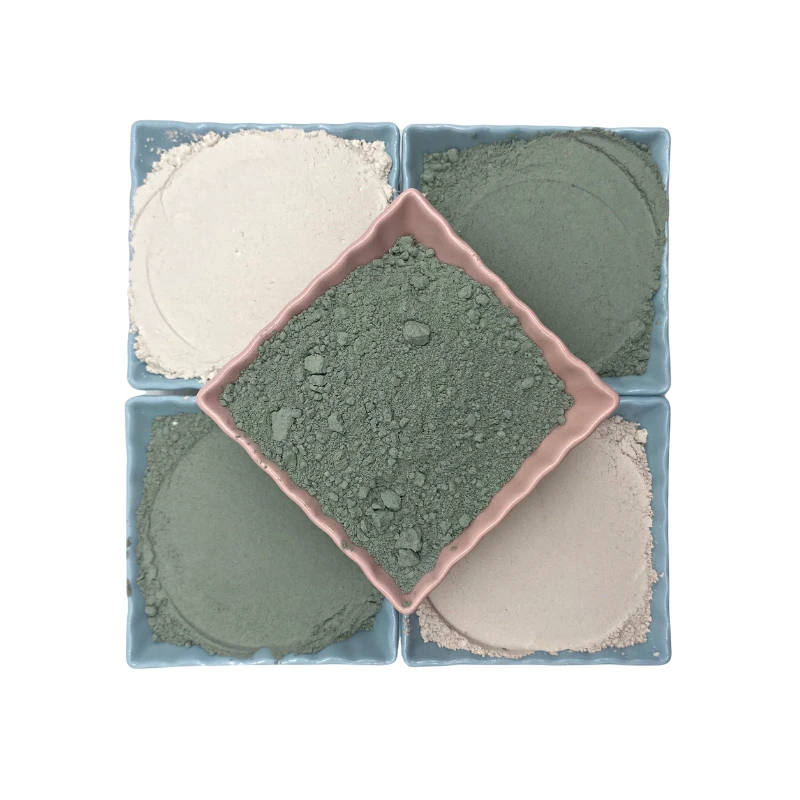 Natural zeolites are a fascinating class of porous aluminosilicate minerals formed through volcanic activity and the subsequent interaction with alkaline water.Read more
 -
Calcium bentonite clay is a highly absorbent aluminum phyllosilicate clay consisting mostly of montmorillonite. Its unique properties make it valuable across numerous industries, from drilling and construction to cosmetics and pet care. This article provides an in-depth look at calcium bentonite clay, its applications, key properties, and how Shun Mining can provide high-quality supply for your needs. Understanding its versatility is crucial for optimizing performance in a wide range of processes. Calcium bentonite clay is formed from the weathering of volcanic ash, primarily composed of montmorillonite. The ‘calcium’ designation refers to the predominant exchange cation in the clay structure. This clay is known for its exceptional swelling capacity when hydrated, expanding many times its original volume. This property makes it effective as a sealant, a binding agent, and a powerful absorbent. The unique layered structure provides a large surface area, contributing to its high adsorption capabilities.Read more
-
Barite powder, also known as barium sulfate, is a crucial industrial mineral with a wide range of applications, from oil and gas drilling to plastics and paints. Understanding the factors influencing the barite powder price is essential for businesses and consumers alike. This article will delve into the intricacies of barite pricing, examining the key factors, current market trends, and providing insights for informed purchasing decisions. We’ll cover everything from raw material costs to transportation and quality grades. Several elements contribute to fluctuations in the barite powder price. The primary driver is the cost of raw barite ore. Mining costs, including extraction, processing, and labor, directly impact the base price. Global supply and demand dynamics also play a significant role; shortages due to mining disruptions or increased demand from the oil and gas sector can lead to price increases. Furthermore, quality and purity levels significantly affect pricing, with higher grades commanding premium prices. Finally, transportation costs, particularly international shipping, add to the overall expense.Read more
-
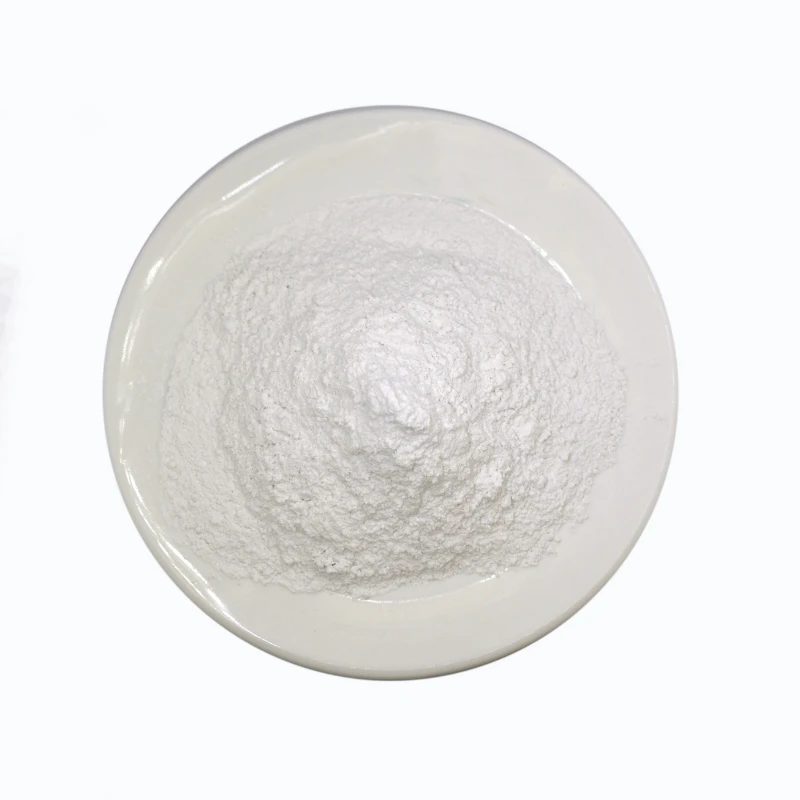 Calcium Carbonate (CaCO₃) is a fundamental inorganic compound sourced from high-grade limestone, aragonite, and calcite deposits. In industrial manufacturing, it functions as a critical functional filler, rheology modifier, and cost-optimization agent.Read more


