




Exploring Dolomite Stone Properties Applications and Sourcing Options
Understanding Dolomite Stone: Properties, Uses, and Sourcing
Dolomite stone, a calcium magnesium carbonate, is a versatile sedimentary rock gaining prominence in various industries. From construction and agriculture to environmental applications, its unique properties make it a valuable resource. This article explores the characteristics of dolomite, its diverse applications, sourcing considerations, and why Shun Mining is a trusted supplier. Understanding dolomite's attributes is key to maximizing its potential in your projects.
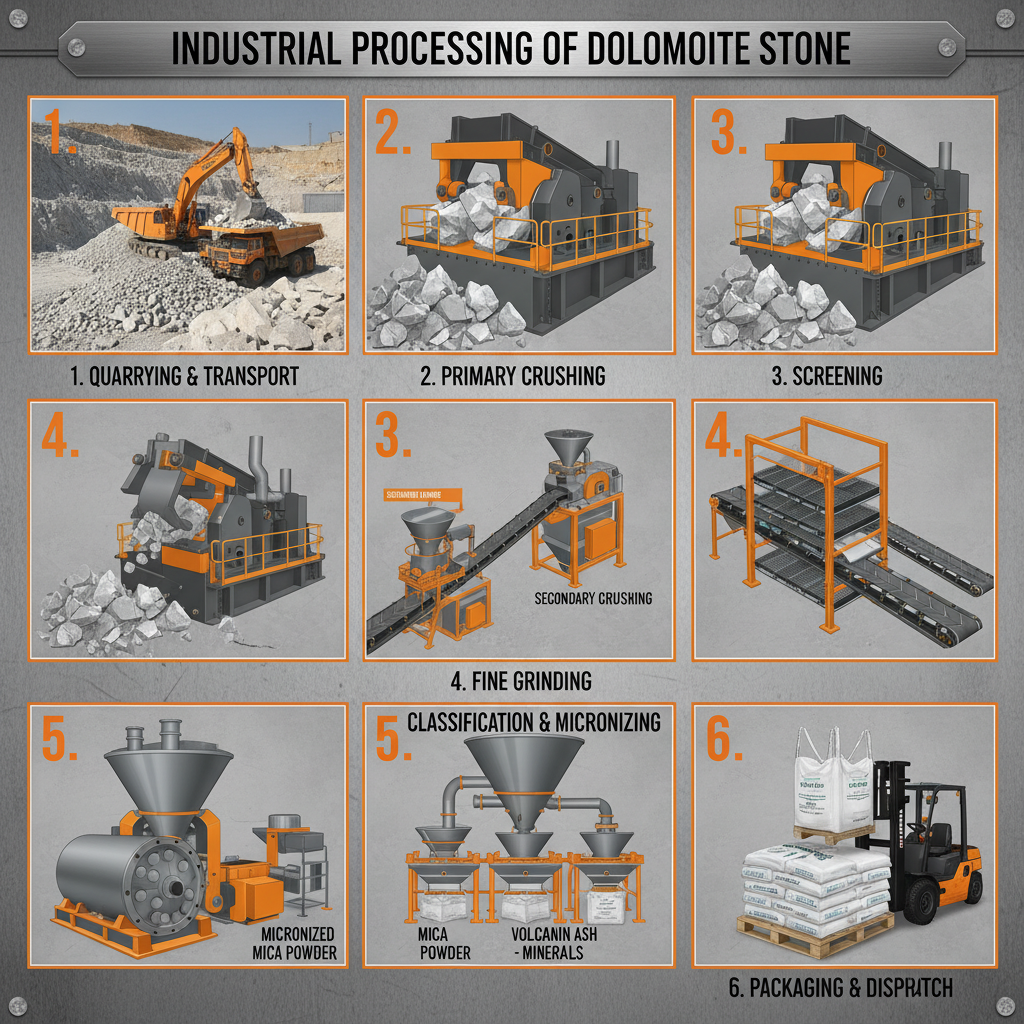
What is Dolomite Stone? A Closer Look at its Composition
Dolomite stone is a double carbonate mineral composed of calcium magnesium carbonate (CaMg(CO3)2). It’s similar in appearance to limestone but contains a significant proportion of magnesium. This unique composition imparts distinct characteristics like higher hardness and chemical resistance. Dolomite typically forms through the alteration of limestone in magnesium-rich environments. It's generally a white or gray rock, but can also be found in shades of pink, brown, or black depending on impurities present. Shun Mining provides high-purity dolomite stone, ensuring consistent quality for various industrial applications.
Key Properties: High hardness, chemical resistance, stability, and a neutral pH.
The Diverse Applications of Dolomite Stone
The versatility of dolomite stone stems from its unique properties. In the construction industry, it's used as a building stone, aggregate in asphalt, and a component in cement. Agriculture benefits from dolomite’s ability to neutralize acidic soils, providing essential magnesium and calcium for plant growth. Furthermore, it’s employed in the production of glass, ceramics, and as a fluxing agent in metallurgy. Its chemical properties make it useful in water treatment and as a source of magnesium compounds. Shun Mining caters to these varied demands, offering dolomite in different grades and sizes.
Application Breakdown:
• Construction: Building stone, aggregate, cement component
• Agriculture: Soil amendment, magnesium & calcium source
• Industry: Glass, ceramics, metallurgy, water treatment
Dolomite Stone vs. Limestone: Understanding the Key Differences
While often confused, dolomite and limestone are distinct rocks. The key difference lies in their composition. Limestone is primarily calcium carbonate (CaCO3), while dolomite contains significant magnesium carbonate (CaMg(CO3)2). This compositional difference translates into varying hardness, chemical reactivity, and applications. Dolomite is generally harder and more resistant to chemical weathering than limestone. It also possesses a higher melting point. Choosing the appropriate material depends on the specific project requirements.
Sourcing Dolomite Stone: Key Considerations
When sourcing dolomite stone, several factors are crucial. Purity is paramount, as impurities can affect its performance in specific applications. Consider the particle size and shape required for your project. Sustainable and responsible sourcing practices are also increasingly important. Shun Mining prioritizes quality control, offering dolomite stone that meets stringent industry standards, and we are committed to environmentally responsible mining practices.
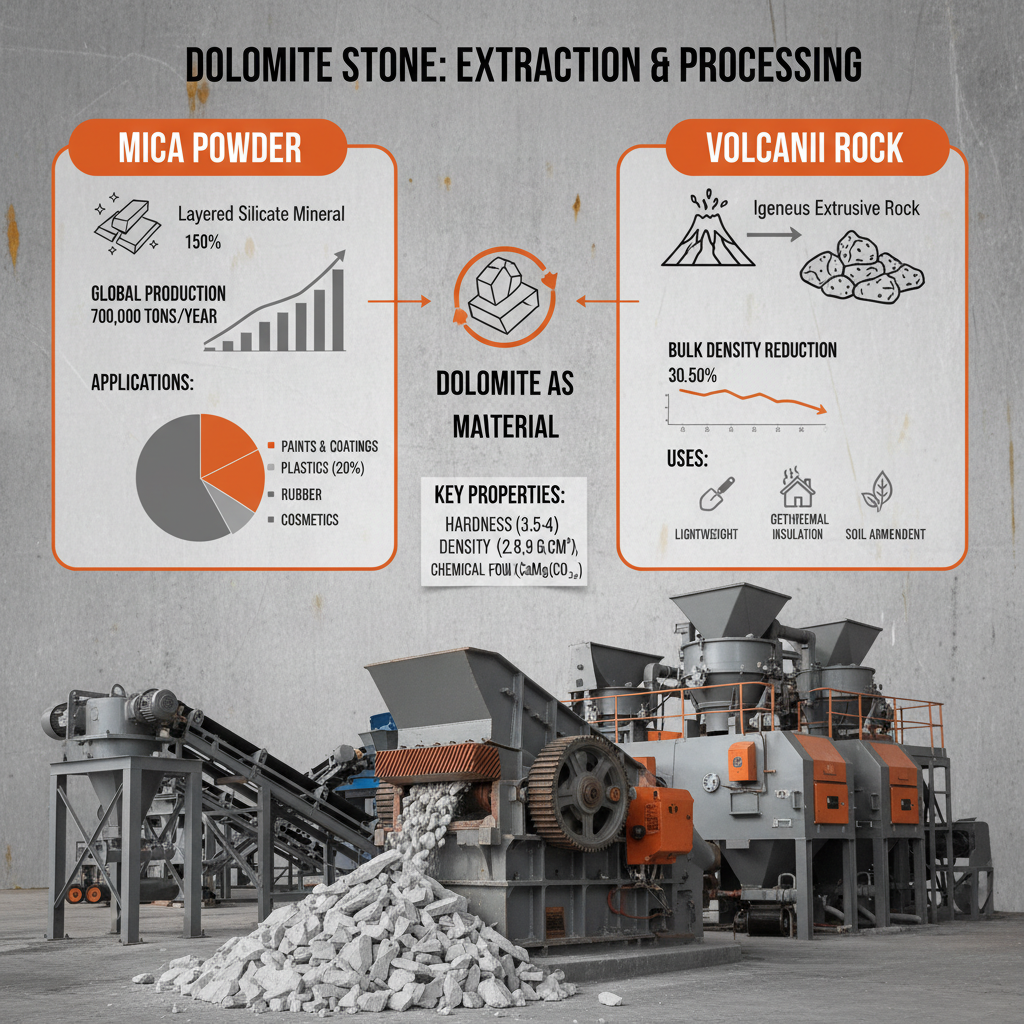
Why Choose Shun Mining for Your Dolomite Stone Needs?
Shun Mining is a leading supplier of high-quality dolomite stone. We offer a consistent supply, competitive pricing, and customized solutions to meet your specific requirements. Our rigorous quality control processes ensure that every shipment meets the highest industry standards. We are committed to sustainable mining practices and responsible environmental stewardship. Partner with Shun Mining for a reliable and trustworthy source of dolomite stone.
Conclusion: Dolomite Stone - A Sustainable and Versatile Resource
Dolomite stone is a remarkably versatile resource with a wide range of applications across diverse industries. Its unique properties and sustainable nature make it an ideal choice for numerous projects. By choosing a reliable supplier like Shun Mining, you can ensure access to high-quality dolomite stone and benefit from our commitment to excellence and environmental responsibility.
Frequently Asked Questions (FAQs)
What are the typical particle sizes available for dolomite stone?
Dolomite stone is available in a range of particle sizes to suit various applications. These typically include coarse aggregates for construction (1-2 inches), medium aggregates for asphalt (0.5-1 inch), fine aggregates for cement (0.125-0.5 inch), and powdered dolomite for agricultural use (under 0.125 inch). Shun Mining offers customized sizing options to meet specific project requirements, ensuring optimal performance and efficiency. We can process dolomite to precise specifications, delivering consistent particle size distribution.
Is dolomite stone environmentally friendly?
Yes, dolomite stone is considered an environmentally friendly material. It’s a naturally occurring mineral, and its mining and processing generally have a lower environmental impact compared to other industrial materials. Dolomite can also be used to remediate acidic soils, improving soil health and reducing the need for synthetic fertilizers. Shun Mining is committed to sustainable mining practices, minimizing our environmental footprint and adhering to strict environmental regulations.
What is the typical lead time for dolomite stone orders?
Lead times for dolomite stone orders depend on the quantity, specification, and destination. Generally, for standard orders of common sizes, the lead time is 2-4 weeks. For customized orders or large quantities, the lead time may be longer. Shun Mining maintains a robust inventory and efficient logistics network to ensure timely delivery. Contact our sales team for a specific quote and estimated lead time for your order.
Can dolomite stone be used in water filtration systems?
Yes, dolomite stone can be effectively used in water filtration systems. Its porous structure allows it to filter out impurities and improve water quality. Dolomite also neutralizes acidity, raising the pH of the water. It’s often used as a component in filter beds for both residential and industrial water treatment applications. Shun Mining offers high-purity dolomite suitable for water filtration, ensuring optimal performance and safety.
Share
-
Guide to Expand Vermiculite Properties and Industrial ApplicationsNewsApr.16,2026
-
Ultimate Guide to Drilling Bentonite for Borehole StabilityNewsApr.09,2026
-
Exploring Dolomite Stone Properties Applications and Sourcing OptionsNewsApr.07,2026
-
Comprehensive Guide to Dolomite Powder Applications and Industrial BenefitsNewsApr.04,2026
-
Comprehensive Guide to Diatomite Properties Applications and SourcingNewsMar.31,2026
-
Exploring Diatomaceous Earth A Comprehensive Guide to Uses and BenefitsNewsMar.28,2026


