




Exploring the Benefits and Applications of Concrete Perlite in Construction
Understanding Concrete Perlite: Properties, Applications, and Benefits
Concrete perlite is a lightweight aggregate created by expanding volcanic glass (perlite) at high temperatures. This process results in a material that significantly reduces the density of concrete, offering numerous advantages in various construction applications. It’s becoming increasingly popular for projects demanding lighter weight, improved thermal insulation, and fire resistance. Explore the benefits and uses of concrete perlite and learn how it can enhance your construction projects. Choosing the right aggregate is crucial for the performance and longevity of any concrete structure.
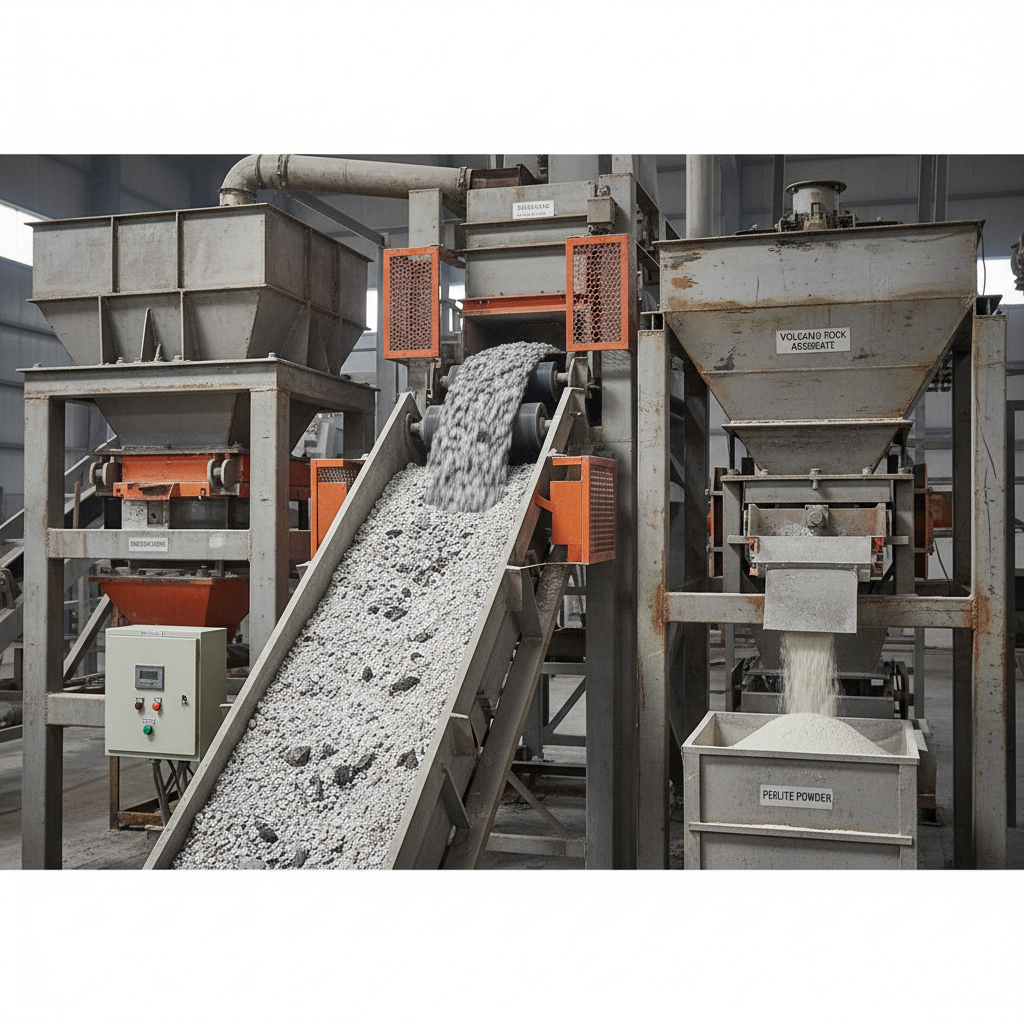
What Exactly is Concrete Perlite?
Perlite itself is a volcanic glass that expands dramatically when heated. This expansion creates a lightweight, porous material with excellent insulation properties. When incorporated into concrete mixes, perlite reduces the overall weight of the concrete while maintaining reasonable strength. This makes it ideal for applications where reducing structural load is critical, such as in high-rise buildings, precast concrete panels, and insulating concrete forms (ICFs). Importantly, perlite doesn’t decompose or attract pests, ensuring long-term stability and performance. The resulting concrete is also easier to handle and work with, reducing labor costs.
Key Highlights: Lightweight, excellent thermal insulation, fire resistant, doesn't decompose, and is pest resistant.
Key Benefits of Using Concrete Perlite
Using concrete perlite offers a range of benefits beyond just weight reduction. Its porous structure provides excellent thermal insulation, reducing energy consumption for heating and cooling. Perlite is also non-combustible, offering significant fire resistance to concrete structures. This makes it an attractive option for buildings where fire safety is a primary concern. Furthermore, perlite's low density can reduce transportation costs and simplify construction logistics. Shun Mining provides high-quality concrete perlite for a variety of applications.
Perlite Advantages:
• Reduced Concrete Weight
• Improved Thermal Insulation
• Enhanced Fire Resistance
• Lower Transportation Costs
Concrete Perlite vs. Other Lightweight Aggregates
While several lightweight aggregates are available, concrete perlite stands out due to its unique combination of properties and cost-effectiveness. Compared to alternatives like expanded clay, volcanic pumice, or polystyrene beads, perlite often offers superior insulation and fire resistance at a competitive price point. However, the optimal choice depends on the specific project requirements and desired performance characteristics. Factors to consider include strength, density, thermal conductivity, and cost. Understanding these differences is crucial for making an informed decision.
Common Applications of Concrete Perlite
The versatility of concrete perlite makes it suitable for a wide range of construction projects. It’s commonly used in lightweight concrete blocks, precast panels, insulating concrete forms (ICFs), and floor screeds. It's also an excellent choice for applications requiring fire resistance, such as in tunnel linings and fireproofing materials. Furthermore, perlite can be incorporated into geotechnical applications like backfilling and slope stabilization. Contact Shun Mining today to discuss your specific needs.
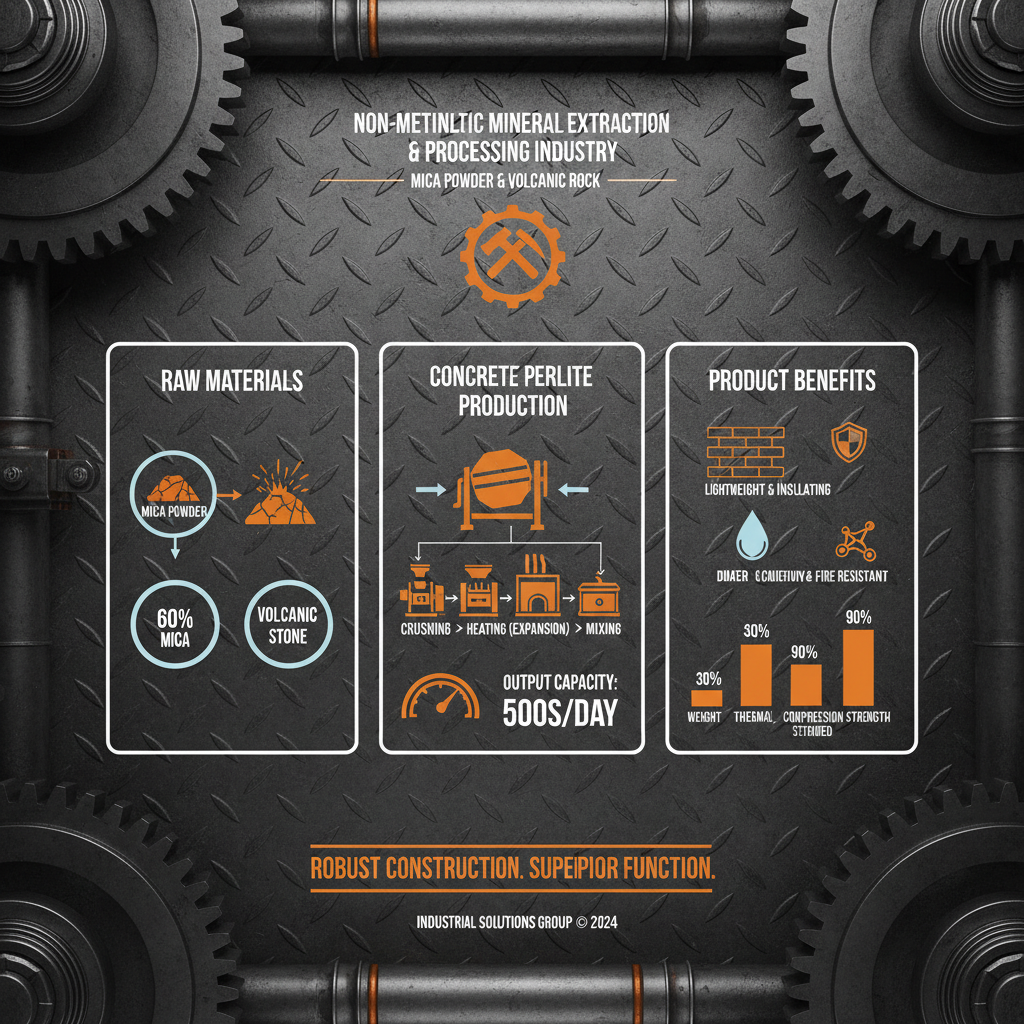
Concrete Perlite: Product Specifications
Understanding the specifications of concrete perlite is crucial for ensuring optimal performance. Key parameters include particle size, bulk density, and water absorption. These properties influence the workability, strength, and durability of the resulting concrete mix. Shun Mining provides concrete perlite meeting industry standards for consistent quality.
Conclusion: Elevate Your Construction with Concrete Perlite
Concrete perlite offers a compelling solution for modern construction challenges, providing a unique combination of lightweight properties, thermal insulation, and fire resistance. By incorporating concrete perlite from Shun Mining, you can enhance the performance, sustainability, and safety of your projects. Explore the possibilities and unlock the potential of this versatile material.
Frequently Asked Questions (FAQs)
What is the optimal percentage of perlite to use in a concrete mix?
The optimal percentage of perlite in a concrete mix depends on the desired properties and application. Typically, perlite content ranges from 10% to 30% by volume. Higher percentages result in lower density and improved insulation but may also reduce compressive strength. It's important to conduct trial mixes and testing to determine the ideal ratio for your specific project requirements. Consult with a concrete specialist or the supplier of the perlite to ensure compatibility and achieve the desired performance characteristics. Proper mix design is crucial for maximizing the benefits of concrete perlite.
Does concrete perlite affect the workability of concrete?
Yes, adding perlite to a concrete mix can affect its workability. Perlite particles are round and smooth, which can reduce the cohesiveness of the mix and potentially increase the need for water. This can be mitigated by using a water-reducing admixture or adjusting the mix design to maintain the desired consistency. It's essential to carefully monitor the workability of the concrete and make adjustments as needed to ensure proper placement and consolidation.
Is concrete perlite suitable for exterior applications?
Yes, concrete perlite can be used in exterior applications, but it's important to consider the exposure conditions. While perlite itself is durable, the concrete mix must be properly designed to withstand freeze-thaw cycles and other environmental factors. Using air-entraining admixtures and appropriate sealers can help protect the concrete and ensure long-term performance in exterior environments. Proper detailing and drainage are also critical to prevent water penetration and potential damage.
Where can I purchase high-quality concrete perlite?
You can purchase high-quality concrete perlite directly from Shun Mining. We offer a reliable supply of perlite meeting stringent quality standards, ensuring consistent performance in your construction projects. Contact us today for a quote and to discuss your specific needs.
Share
-
Guide to Expand Vermiculite Properties and Industrial ApplicationsNewsApr.16,2026
-
Ultimate Guide to Drilling Bentonite for Borehole StabilityNewsApr.09,2026
-
Exploring Dolomite Stone Properties Applications and Sourcing OptionsNewsApr.07,2026
-
Comprehensive Guide to Dolomite Powder Applications and Industrial BenefitsNewsApr.04,2026
-
Comprehensive Guide to Diatomite Properties Applications and SourcingNewsMar.31,2026
-
Exploring Diatomaceous Earth A Comprehensive Guide to Uses and BenefitsNewsMar.28,2026


