




Comprehensive Guide to Cylindrical Activated Carbon Properties and Applications
Understanding Cylindrical Activated Carbon: A Comprehensive Guide
Activated carbon is a versatile material with a wide range of applications, from water purification to air filtration. Among the various forms, cylindrical activated carbon stands out due to its unique properties and benefits. This article provides an in-depth look at cylindrical activated carbon, covering its production, characteristics, applications, and advantages. We'll explore why it's a preferred choice for many industries seeking effective adsorption solutions. Choosing the right type of activated carbon is crucial for optimal performance, and this guide will help you navigate the options.
What is Cylindrical Activated Carbon?
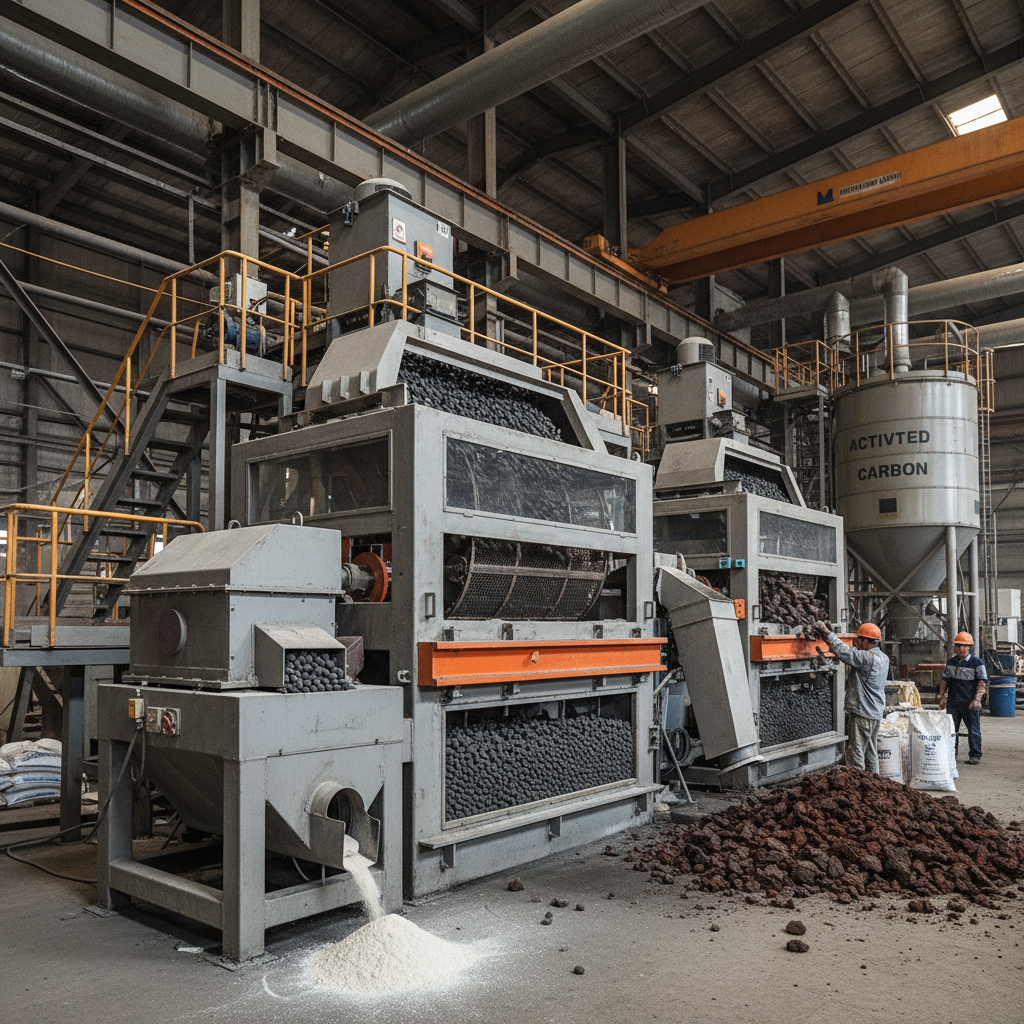
Cylindrical activated carbon, as the name suggests, is produced in a cylindrical shape. It's typically manufactured by extruding a paste of activated carbon material and then drying and hardening it. This shape offers several advantages, including lower pressure drop, improved airflow, and consistent performance. The raw materials can vary, commonly including coal, wood, coconut shell, or other carbon-rich sources. The resulting material boasts a large surface area due to its porous structure, making it highly effective at adsorbing contaminants. Shunmining specializes in providing high-quality cylindrical activated carbon for diverse applications.
Key Highlights: Cylindrical activated carbon provides superior airflow and a lower pressure drop compared to other forms, resulting in a more efficient and cost-effective adsorption process.
The Production Process of Cylindrical Activated Carbon
The production of cylindrical activated carbon involves several key steps. First, the raw material is carbonized through a controlled heating process, removing volatile compounds. This creates a carbon-rich char. Next, the char undergoes activation, which significantly increases its surface area and porosity. Activation can be achieved through physical or chemical methods. Physical activation typically uses steam or carbon dioxide, while chemical activation employs activating agents like phosphoric acid or potassium hydroxide. The activated carbon is then extruded into cylindrical shapes, dried, and finally, screened to achieve the desired particle size distribution. The quality control process ensures the carbon meets specified adsorption capacity and mechanical strength requirements.
Activation Methods:
• Physical Activation: Utilizes steam or carbon dioxide at high temperatures.
• Chemical Activation: Employs activating agents like phosphoric acid or potassium hydroxide.
• Each method yields activated carbon with distinct pore structures and adsorption properties.
Cylindrical Activated Carbon: Key Characteristics
Several characteristics define the quality and performance of cylindrical activated carbon. These include:
- Surface Area: A higher surface area (measured in m²/g) translates to greater adsorption capacity.
- Pore Size Distribution: The distribution of pore sizes (micropores, mesopores, and macropores) affects the type of molecules adsorbed.
- Particle Size: Determines the pressure drop and flow rate within the system.
- Hardness & Abrasion Resistance: Important for maintaining structural integrity during handling and use.
- Ash Content: Low ash content is desirable to minimize interference with the adsorption process.
Understanding these characteristics is essential for selecting the right grade of cylindrical activated carbon for a specific application. Shunmining provides detailed specifications for its products, ensuring customers can make informed decisions.
Applications of Cylindrical Activated Carbon
The unique properties of cylindrical activated carbon make it suitable for a wide range of applications, including:
- Water Treatment: Removing contaminants like chlorine, VOCs, and taste and odor compounds.
- Air Purification: Filtering pollutants, odors, and harmful gases from industrial emissions and indoor air.
- Gas Adsorption: Capturing volatile organic compounds (VOCs) and other gases from industrial processes.
- Catalyst Support: Providing a high-surface-area support for catalysts in various chemical reactions.
- Solvent Recovery: Adsorbing and recovering valuable solvents from waste streams.
Its consistent shape and low pressure drop make it particularly well-suited for packed bed filters and air purification systems.
Comparing Cylindrical Activated Carbon to Other Forms
While various forms of activated carbon exist – powdered, granular, and extruded – cylindrical activated carbon offers distinct advantages. Powdered activated carbon (PAC) has a high surface area but creates significant pressure drop and is difficult to handle. Granular activated carbon (GAC) offers better handling but doesn't provide the same level of airflow as cylindrical. Extruded cylindrical carbon balances these characteristics, providing a good combination of surface area, mechanical strength, and flow characteristics. Here's a comparison:
Conclusion
Cylindrical activated carbon offers a compelling combination of performance, efficiency, and ease of use. Its low pressure drop, high adsorption capacity, and excellent handling characteristics make it a preferred choice for numerous applications. Shunmining is committed to providing high-quality cylindrical activated carbon solutions tailored to your specific needs. Contact us today to learn more about how we can help improve your processes.
Frequently Asked Questions (FAQs)
What is the typical lifespan of cylindrical activated carbon?
The lifespan of cylindrical activated carbon depends heavily on the concentration of contaminants it's exposed to, the flow rate, and the operating conditions. Generally, it will need to be replaced or regenerated when its adsorption capacity declines. Regular monitoring of effluent quality is the best way to determine when replacement is necessary. Under normal conditions, the lifespan can range from 6 months to 2 years. Shunmining offers regeneration services to extend the life of your activated carbon, reducing waste and costs.
Can cylindrical activated carbon be regenerated?
Yes, cylindrical activated carbon can often be regenerated, restoring its adsorption capacity. Regeneration typically involves heating the carbon to high temperatures in a controlled environment to desorb the adsorbed contaminants. Thermal regeneration is the most common method, but other techniques, such as chemical regeneration, can also be used. The feasibility of regeneration depends on the type of contaminants adsorbed and the carbon's original quality. Shunmining provides professional activated carbon regeneration services, ensuring optimal performance and environmental responsibility.
What factors should I consider when choosing cylindrical activated carbon?
Several factors are crucial when selecting cylindrical activated carbon: the type of contaminants you need to remove, the flow rate, the operating temperature, and the desired level of purification. Consider the material’s surface area, pore size distribution, and mechanical strength. It’s also important to choose a reputable supplier like Shunmining who can provide detailed specifications and technical support.
Share
-
Guide to Expand Vermiculite Properties and Industrial ApplicationsNewsApr.16,2026
-
Ultimate Guide to Drilling Bentonite for Borehole StabilityNewsApr.09,2026
-
Exploring Dolomite Stone Properties Applications and Sourcing OptionsNewsApr.07,2026
-
Comprehensive Guide to Dolomite Powder Applications and Industrial BenefitsNewsApr.04,2026
-
Comprehensive Guide to Diatomite Properties Applications and SourcingNewsMar.31,2026
-
Exploring Diatomaceous Earth A Comprehensive Guide to Uses and BenefitsNewsMar.28,2026


