




Exploring Diatomaceous Earth A Comprehensive Guide to Uses and Benefits
Diatomaceous Earth: A Comprehensive Guide
Diatomaceous earth (DE) is a naturally occurring sedimentary rock composed of fossilized remains of diatoms, a type of hard-shelled algae. Its versatility stems from its unique physical and chemical properties, making it valuable across numerous industries. From pest control and filtration to absorbents and even cosmetics, DE offers a safe and effective solution for a wide range of applications. This guide provides an in-depth look at diatomaceous earth, its various grades, uses, benefits, and sourcing options. Discover how Shun Mining can provide you with high-quality diatomaceous earth for your specific needs.
Understanding the Different Grades of Diatomaceous Earth
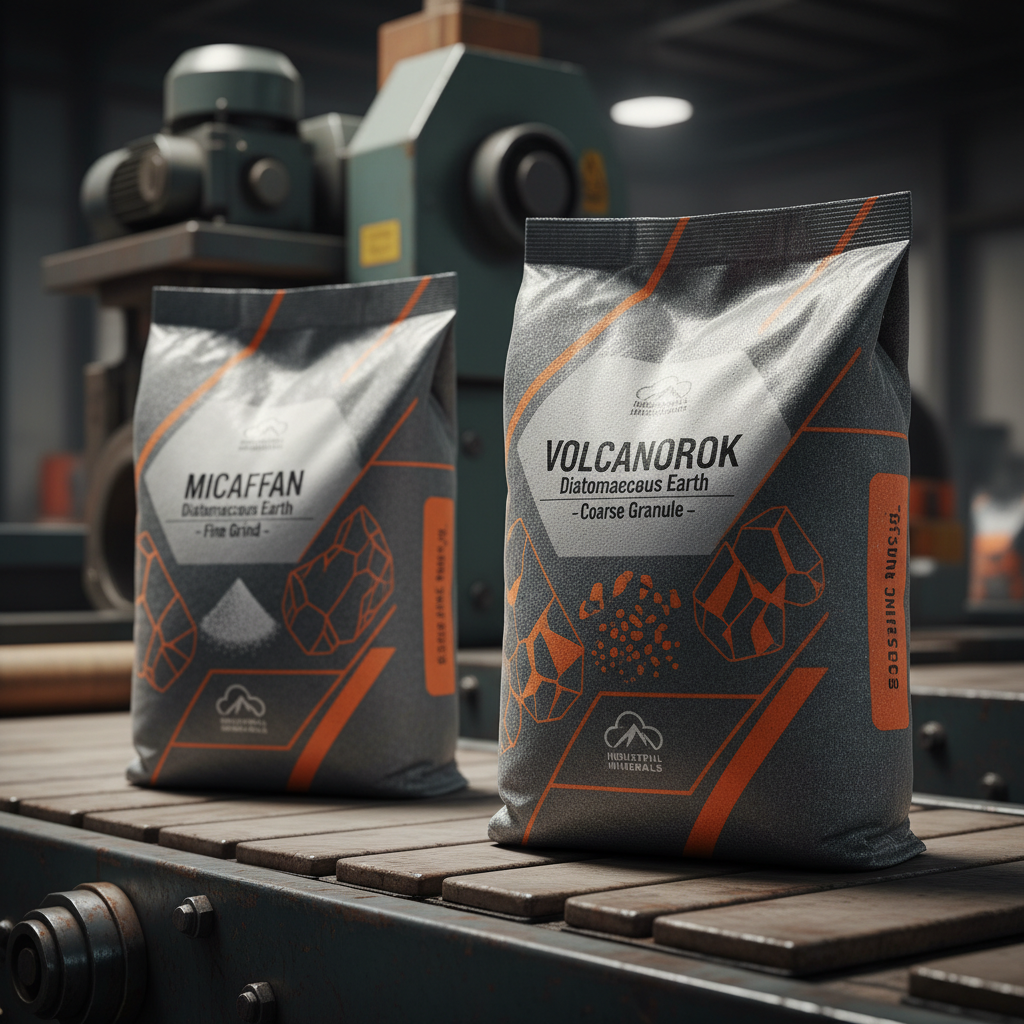
Diatomaceous earth isn't a one-size-fits-all product. It’s categorized into several grades based on particle size, purity, and processing. These grades determine the suitability of DE for specific applications. The main classifications are: Food Grade DE, rigorously tested for purity and human consumption; Industrial Grade DE, used in filtration, absorbents, and industrial processes; and Filter Grade DE, specifically designed for clarifying liquids. Choosing the correct grade is critical for ensuring optimal performance and safety. Shun Mining offers a comprehensive range of DE grades to meet diverse industrial demands.
Key Highlights: Diatomaceous Earth grades are categorized based on particle size, purity, and intended applications, ensuring the right product for each specific use.
Applications of Diatomaceous Earth Across Industries
The applications of diatomaceous earth are remarkably broad. In agriculture, it's a natural insecticide, controlling pests without harmful chemicals. In filtration, it clarifies beverages like beer and wine, and purifies water. The pet food industry utilizes it as an anti-caking agent and digestive aid. Cosmetics leverage its absorbent properties in scrubs and facial masks. Additionally, DE finds use as an absorbent for oil spills, a carrier for pesticides, and in cat litter. Its non-toxic nature and cost-effectiveness contribute to its growing popularity.
Application Breakdown:
• Agriculture: Natural insecticide & soil amendment
• Filtration: Clarifying liquids, water purification
• Pet Food: Anti-caking agent, digestive aid
• Cosmetics: Absorbent, exfoliant
Diatomaceous Earth for Pest Control: A Natural Solution
One of the most popular uses of food-grade diatomaceous earth is as a natural pest control solution. It works by dehydrating insects, causing them to die. It's effective against ants, cockroaches, fleas, bed bugs, and many other common pests. Crucially, it’s non-toxic to humans and pets, making it a safer alternative to chemical insecticides. However, it's essential to use the food-grade variety for this purpose, as industrial grades may contain harmful additives. Application typically involves sprinkling DE around areas where pests are present.
Sourcing High-Quality Diatomaceous Earth from Shun Mining
Choosing a reliable supplier is paramount when sourcing diatomaceous earth. Shun Mining is a leading provider of high-quality DE, offering a consistent supply, competitive pricing, and exceptional customer service. We offer various grades to meet your specific needs and provide comprehensive documentation to ensure product quality and compliance. Our commitment to sustainability and responsible mining practices ensures a product you can trust.

Product Specifications & Quality Control
At Shun Mining, we maintain strict quality control measures throughout the entire process, from mining to packaging. Here's a snapshot of our standard product specifications:
Conclusion: Harnessing the Power of Diatomaceous Earth
Diatomaceous earth is a remarkable natural resource offering a diverse range of applications. From pest control and filtration to industrial absorbents, its versatility is unmatched. Partnering with a trusted supplier like Shun Mining ensures you receive high-quality DE, consistent supply, and expert support. Embrace the power of diatomaceous earth for sustainable and effective solutions.
Frequently Asked Questions (FAQs)
What are the safety precautions when handling diatomaceous earth?
While diatomaceous earth is generally considered non-toxic, it can cause respiratory irritation if inhaled in large quantities. It’s recommended to wear a dust mask during handling, especially when working with powder forms. Avoid direct eye contact and prolonged skin exposure. If irritation occurs, rinse thoroughly with water. Always refer to the Material Safety Data Sheet (MSDS) for detailed safety information provided by your supplier, like Shun Mining.
How is diatomaceous earth mined and processed?
Diatomaceous earth is typically mined from deposits formed from the accumulation of diatom skeletons over millions of years. The mining process can involve open-pit or dredging methods. After mining, the DE undergoes several processing stages, including drying, milling, and classification to achieve different particle sizes and grades. Shun Mining utilizes sustainable mining practices and advanced processing techniques to ensure product quality.
Can diatomaceous earth be used in gardening for plant health?
Yes, diatomaceous earth offers several benefits in gardening. It can improve soil drainage, aeration, and water retention. It also provides trace minerals and acts as a natural pest deterrent. Sprinkling DE around plants can help protect them from slugs, snails, and other crawling insects. However, avoid applying DE directly to flowers, as it can harm beneficial insects like bees.
What is the difference between crystalline and amorphous diatomaceous earth?
Diatomaceous earth exists in two crystalline forms: crystalline and amorphous. Amorphous DE is the more common and safer form used in most applications, including food, feed, and filtration. Crystalline DE contains a higher proportion of crystalline silica, which can pose a respiratory hazard. Shun Mining exclusively supplies amorphous diatomaceous earth, ensuring a safe and reliable product.
Share
-
Guide to Expand Vermiculite Properties and Industrial ApplicationsNewsApr.16,2026
-
Ultimate Guide to Drilling Bentonite for Borehole StabilityNewsApr.09,2026
-
Exploring Dolomite Stone Properties Applications and Sourcing OptionsNewsApr.07,2026
-
Comprehensive Guide to Dolomite Powder Applications and Industrial BenefitsNewsApr.04,2026
-
Comprehensive Guide to Diatomite Properties Applications and SourcingNewsMar.31,2026
-
Exploring Diatomaceous Earth A Comprehensive Guide to Uses and BenefitsNewsMar.28,2026


