




Comprehensive Guide to Dolomite Powder Applications and Industrial Benefits
Dolomite Powder: A Comprehensive Guide to Applications and Benefits
Dolomite powder is a versatile mineral product with a wide array of applications across various industries. Derived from the sedimentary rock dolomite, this finely ground powder boasts unique properties that make it valuable in agriculture, construction, environmental solutions, and more. Understanding its characteristics, uses, and sourcing is crucial for optimizing its benefits. Shun Mining specializes in high-quality dolomite powder, catering to diverse customer needs globally.
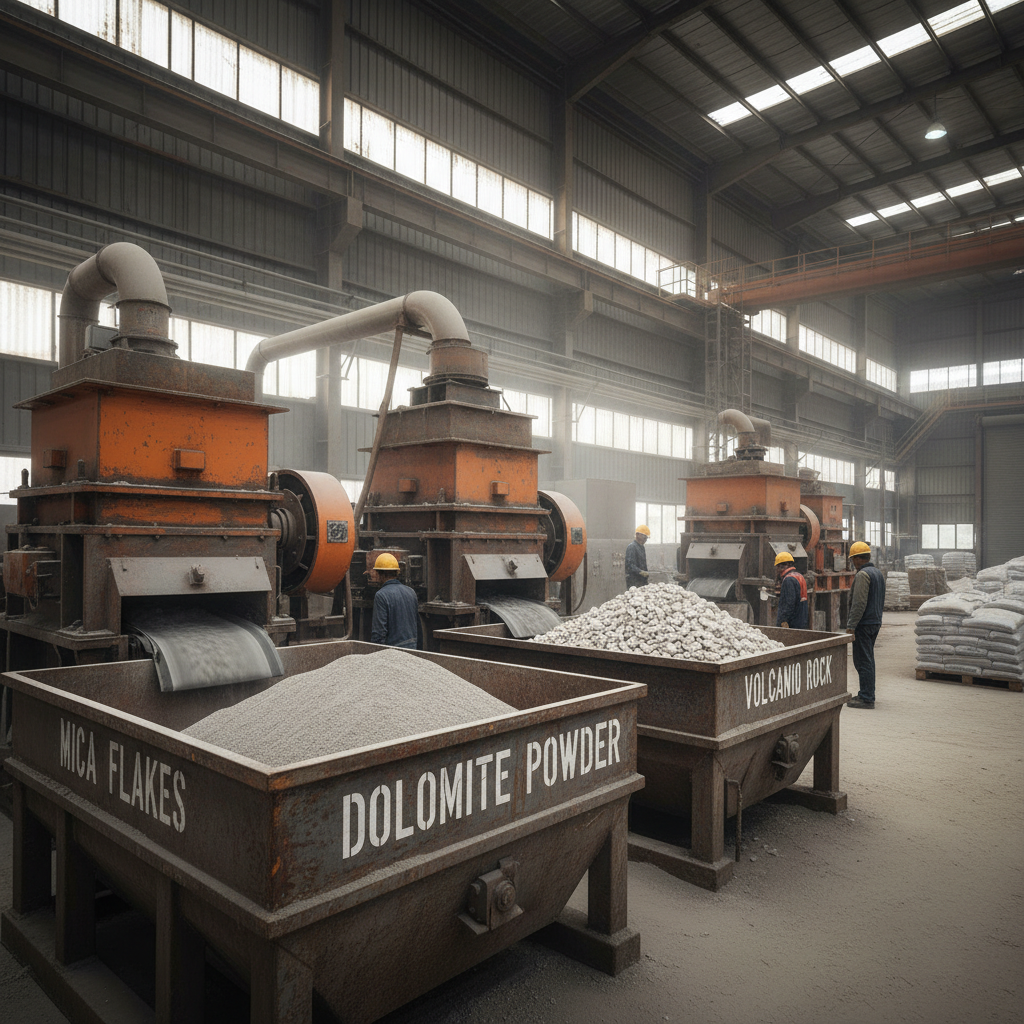
What is Dolomite Powder?
Dolomite powder is created by grinding dolomite, a calcium magnesium carbonate mineral (CaMg(CO₃)₂). This process results in a fine, white powder that is chemically inert, meaning it doesn’t readily react with other substances. It's valued for its high calcium and magnesium content, its ability to neutralize acids, and its non-toxic nature. The purity and particle size distribution of dolomite powder can vary depending on the source and processing methods. These properties are tailored to meet the specific requirements of different applications.
Key Highlights: Chemically inert, high calcium & magnesium content, non-toxic, and excellent acid neutralizing capabilities.
Applications of Dolomite Powder
The versatility of dolomite powder stems from its unique chemical and physical properties. It's widely used in agriculture as a soil amendment to raise pH levels (reduce acidity), providing essential magnesium and calcium for plant growth. In the construction industry, it serves as a filler in paints, plastics, and rubber, improving their durability and workability. Environmentally, it’s employed in flue gas desulfurization to reduce sulfur dioxide emissions. Beyond these core applications, dolomite powder finds use in glass manufacturing, ceramics, and even animal feed.
Key Application Areas:
• Agriculture (Soil Conditioning)
• Construction (Filler in Paints & Plastics)
• Environmental (Flue Gas Desulfurization)
• Glass & Ceramic Production
Dolomite Powder Grades & Specifications
Different applications require different grades of dolomite powder, classified by particle size, purity, and whiteness. Shun Mining offers a range of specifications to meet diverse customer needs. We provide technical data sheets (TDS) outlining the characteristics of each grade. Common grades include coarse, medium, and fine powders. Purity levels typically range from 95% to 99%, depending on the processing and source material.
Sourcing High-Quality Dolomite Powder
Choosing a reliable supplier is crucial for ensuring the quality and consistency of dolomite powder. Factors to consider include the supplier’s reputation, quality control procedures, and ability to meet specific specifications. Shun Mining is committed to providing consistent, high-purity dolomite powder with reliable supply chain management and competitive pricing. We prioritize sustainable sourcing practices and stringent quality assurance measures.
The Environmental Benefits of Using Dolomite Powder
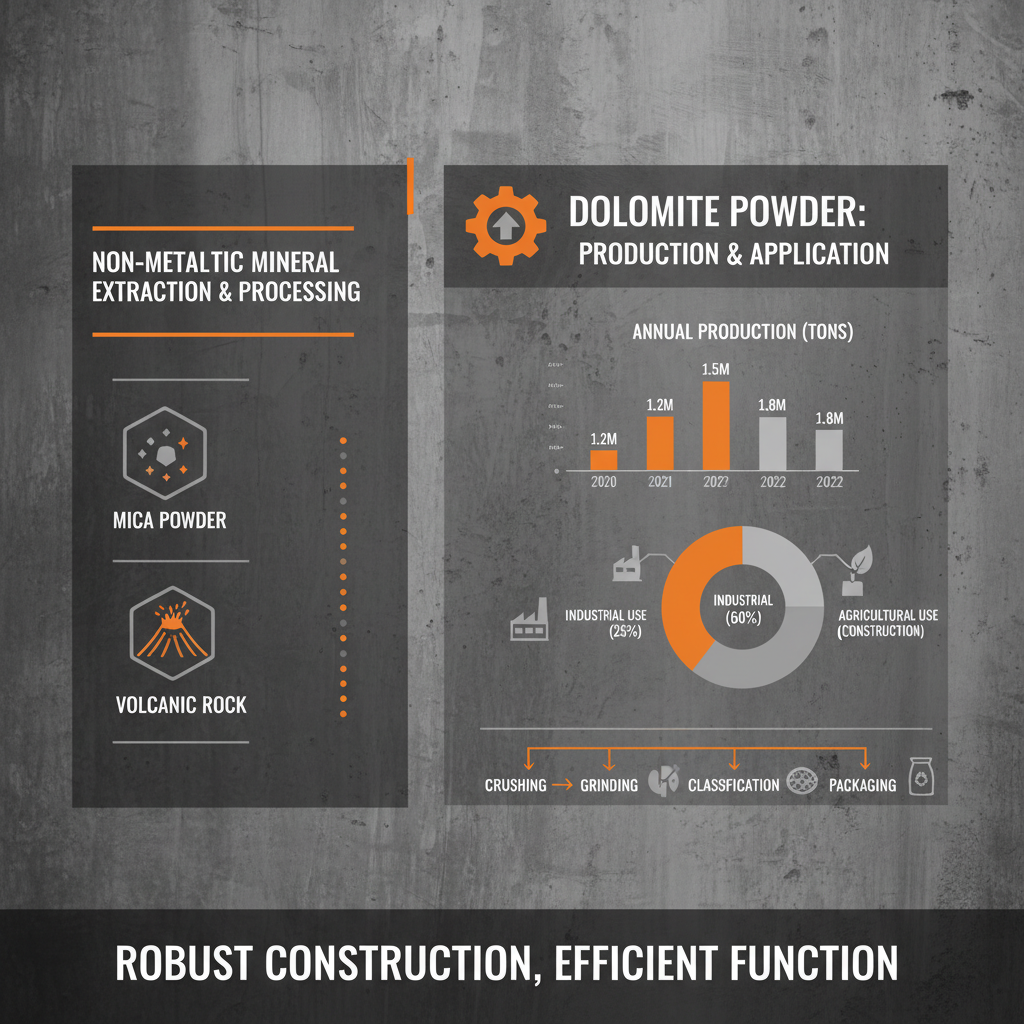
Beyond its industrial applications, dolomite powder offers significant environmental benefits. Its use in flue gas desulfurization helps reduce harmful sulfur dioxide emissions, contributing to cleaner air. In agriculture, it promotes soil health and reduces the need for synthetic fertilizers. Additionally, dolomite is a naturally occurring mineral, making it a more sustainable alternative to some other industrial fillers. Shun Mining is dedicated to responsible mining practices that minimize environmental impact.
Conclusion: Choose Dolomite Powder for Versatility and Sustainability
Dolomite powder is a versatile and environmentally friendly mineral product with a broad range of applications. From improving soil health to reducing industrial emissions, its benefits are undeniable. Shun Mining provides high-quality dolomite powder and expert support to help you optimize its use in your specific applications. Contact us today to discuss your needs and explore how we can partner for success.
Frequently Asked Questions (FAQs)
What is the typical lead time for orders of dolomite powder from Shun Mining?
Lead times for dolomite powder orders from Shun Mining vary depending on order volume, specific grade requirements, and current production schedules. Generally, for standard grades in stock, we can ship within 5-7 business days. For customized orders or large quantities, lead times may extend to 2-4 weeks. We strive to provide accurate lead time estimates during the quotation process and maintain transparent communication throughout the order fulfillment process. Contact our sales team for a specific quote and estimated delivery time based on your requirements.
Can dolomite powder be used in organic farming?
Yes, dolomite powder is generally approved for use in organic farming as a soil amendment, providing essential magnesium and calcium while raising pH levels. However, it's crucial to ensure the dolomite powder used is sourced from approved suppliers and meets organic certification standards. Always check with your organic certification body to confirm compliance before using dolomite powder on your organic farm. Shun Mining can provide documentation regarding the source and composition of our dolomite powder to assist with your organic certification process.
What packaging options are available for dolomite powder?
Shun Mining offers various packaging options for dolomite powder to suit different customer needs and shipping requirements. These include 25kg, 50kg, and 1000kg (jumbo) bags. We can also provide customized packaging solutions upon request. All packaging materials are designed to protect the product from moisture and contamination during transport and storage. We comply with all relevant international shipping regulations.
How does dolomite powder compare to limestone in agricultural applications?
Both dolomite powder and limestone can be used to raise soil pH, but they differ in composition. Limestone is primarily calcium carbonate (CaCO₃), while dolomite contains both calcium and magnesium carbonate (CaMg(CO₃)₂). If your soil is deficient in magnesium, dolomite is the preferred choice as it addresses both acidity and magnesium deficiency. Limestone only addresses acidity. The choice between the two depends on your soil's specific nutrient profile. A soil test is recommended to determine the appropriate amendment.
Share
-
Guide to Expand Vermiculite Properties and Industrial ApplicationsNewsApr.16,2026
-
Ultimate Guide to Drilling Bentonite for Borehole StabilityNewsApr.09,2026
-
Exploring Dolomite Stone Properties Applications and Sourcing OptionsNewsApr.07,2026
-
Comprehensive Guide to Dolomite Powder Applications and Industrial BenefitsNewsApr.04,2026
-
Comprehensive Guide to Diatomite Properties Applications and SourcingNewsMar.31,2026
-
Exploring Diatomaceous Earth A Comprehensive Guide to Uses and BenefitsNewsMar.28,2026


