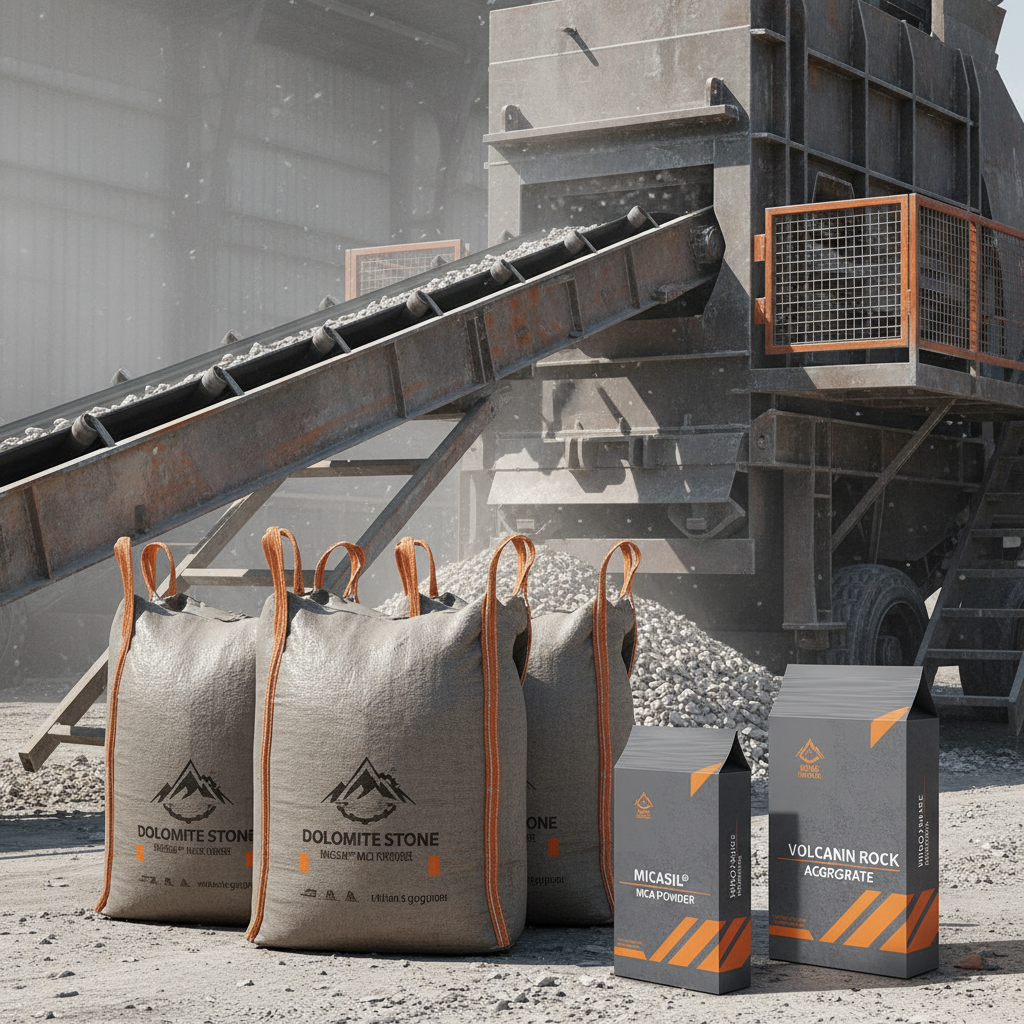
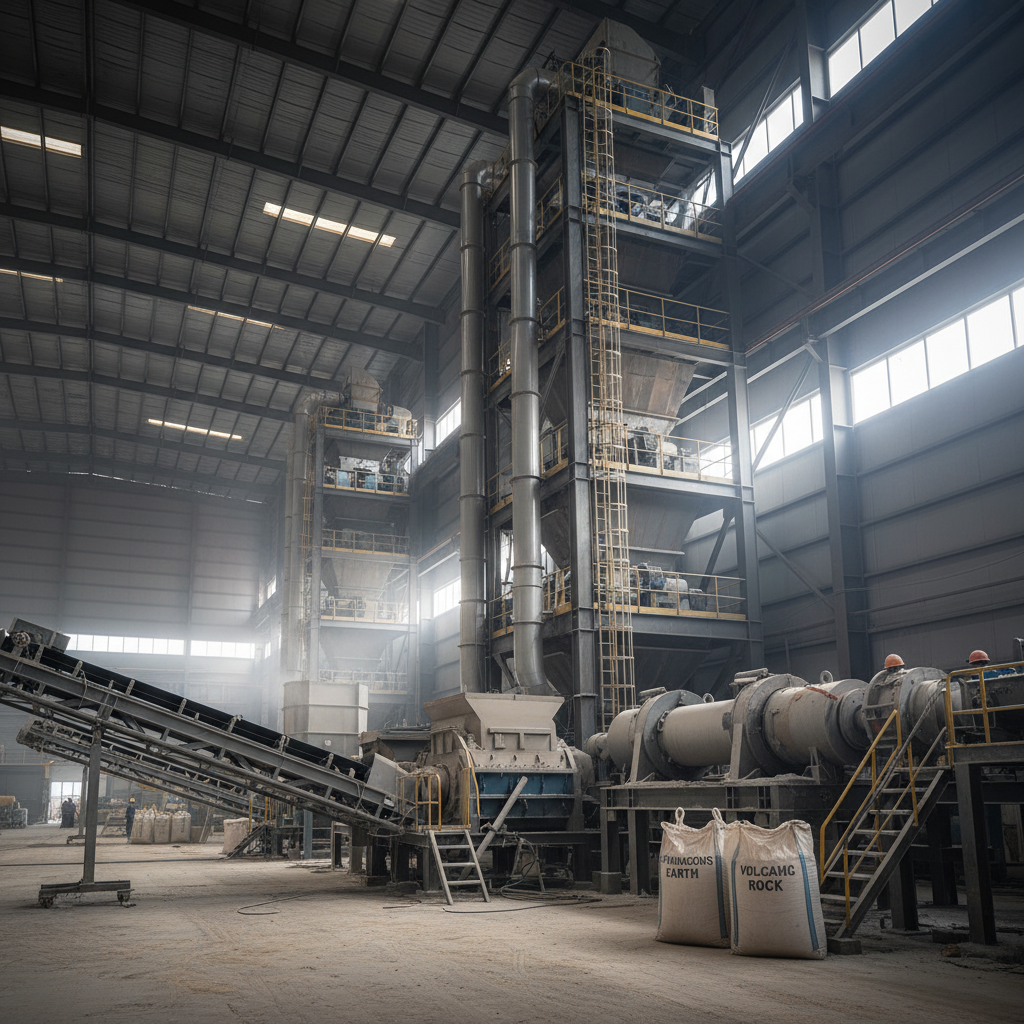
Expanded clay, also known as clay pebbles or hydroton, represents a significant advancement in material science with applications spanning diverse industries. Globally, the demand for lightweight, sustainable, and cost-effective materials is steadily rising, driven by urbanization, infrastructure development, and increasing environmental consciousness. Understanding expanded clay's properties and benefits is crucial for professionals seeking innovative solutions in construction, horticulture, and various industrial processes.
The unique characteristics of expanded clay – its porosity, low density, and thermal insulation capabilities – address critical challenges in sectors ranging from building construction to wastewater treatment. Its production, while energy-intensive, can be optimized for sustainability, and its applications contribute to resource efficiency and reduced environmental impact. Increased research and development focused on expanded clay will unlock further potential in these expanding areas.
The versatility of expanded clay as a functional material is a testament to its enduring relevance. Its ability to provide superior performance in several industrial applications offers a compelling alternative to conventional materials, making it a key component in modern engineering and design.
Introduction to Expanded Clay
Expanded clay is an incredibly versatile material created by heating natural clay minerals to extremely high temperatures. This process causes the clay to expand, creating a lightweight, porous aggregate with a unique set of properties. This makes it ideal for a wide variety of applications.
Its history traces back to the mid-20th century, initially developed for horticultural use as a growing medium. Over time, its exceptional characteristics have led to its adoption in construction, industrial filtration, and specialized applications, cementing its place as a crucial component in sustainable development and resource management.
Understanding the Manufacturing Process
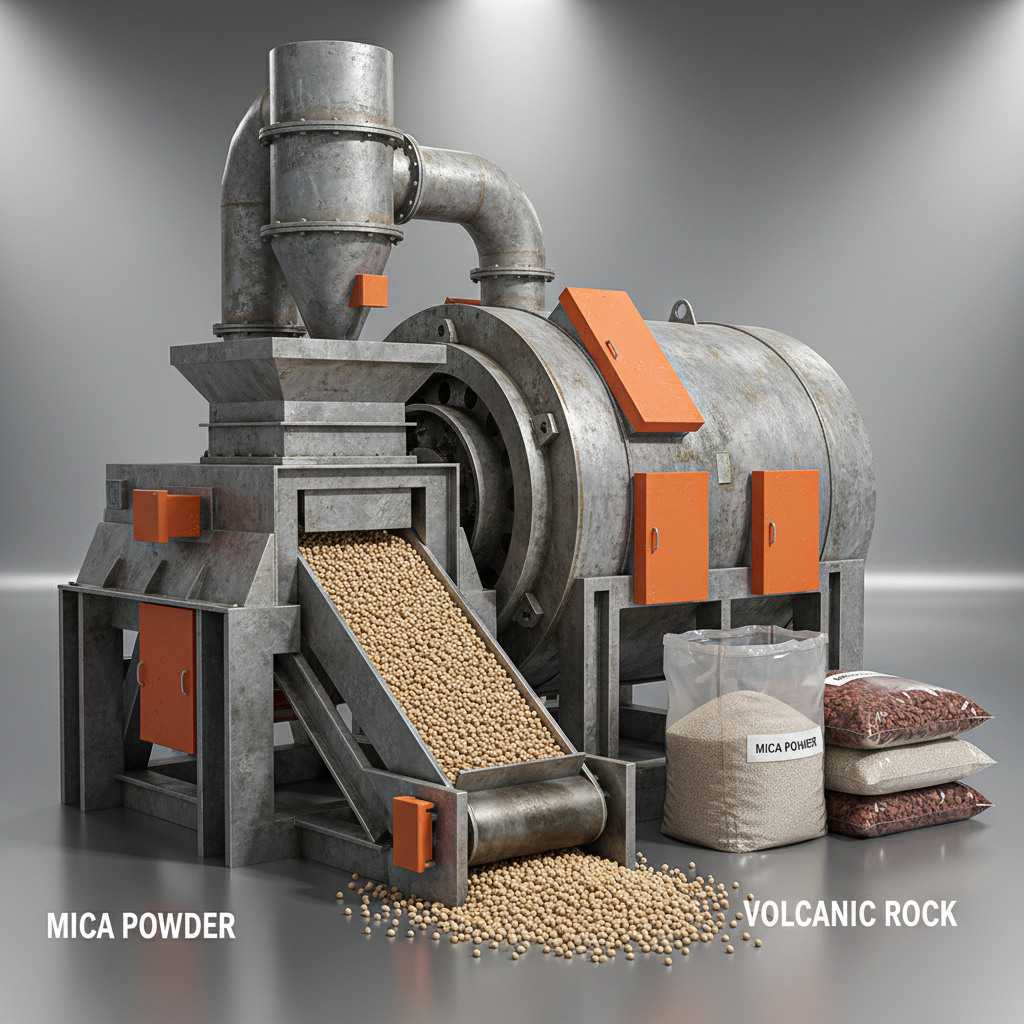
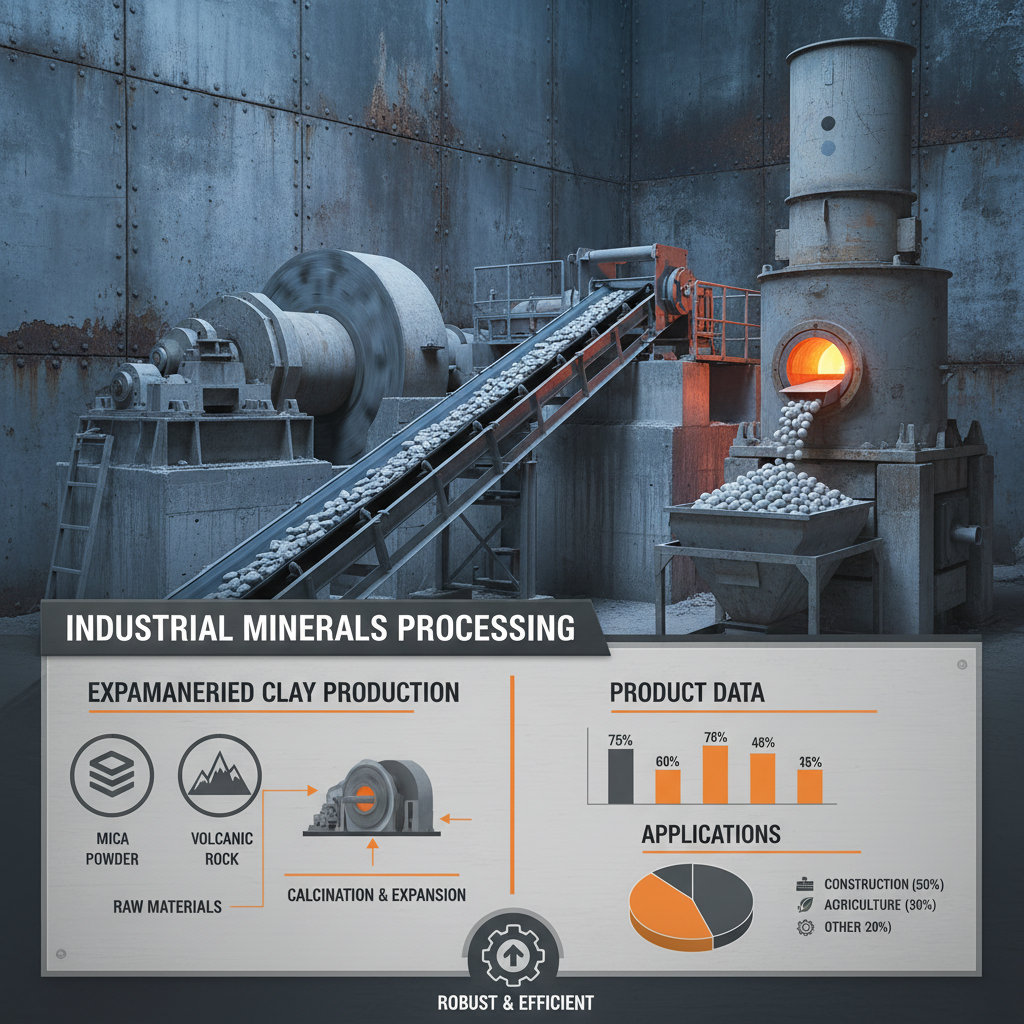
The production of expanded clay begins with the selection of suitable clay sources, typically comprising illite, montmorillonite, or kaolinite. These clays are carefully chosen based on their mineral composition and plasticity, directly influencing the final product's characteristics. Following selection, the raw clay undergoes crushing and grinding to achieve a consistent particle size.
Next, the prepared clay is mixed with additives like iron oxide or limestone, which contribute to the desired color and porosity. The mixture is then formed into pellets or granules, typically through extrusion or disc pelletizing. These formed pellets are then fed into a rotary kiln, where they are heated to temperatures ranging from 1100°C to 1300°C. The intense heat causes the water chemically bound within the clay mineral structure to vaporize, resulting in the expansion of the pellets.
The duration and temperature control during the firing process are critical, dictating the degree of expansion, porosity, and the final density of the expanded clay. Finally, the expanded clay is cooled, screened to remove undersized or oversized particles, and prepared for packaging and distribution.
Key Physical and Chemical Properties
Expanded clay possesses a unique combination of physical and chemical properties that make it invaluable across various applications. Primarily, it is remarkably lightweight, with bulk densities typically ranging from 300 to 800 kg/m³. This low density reduces structural load and minimizes transportation costs. The material is also highly porous, with pore volumes ranging from 60% to 80%, providing excellent drainage and aeration.
Chemically, expanded clay is largely inert and stable, exhibiting resistance to acids, alkalis, and organic solvents. This chemical stability makes it ideal for use in aggressive environments, such as wastewater treatment and chemical filtration. Additionally, it has excellent thermal insulation properties due to the presence of numerous air voids, reducing heat transfer and offering energy savings in construction applications.
Its water absorption rate is moderate, contributing to its use in horticultural applications where controlled moisture retention is crucial. Finally, the material is non-toxic and environmentally benign, offering a sustainable alternative to many conventional materials. This makes expanded clay an environmentally sound choice.
Applications in Construction and Engineering
In the construction industry, expanded clay finds extensive use as a lightweight aggregate in concrete and mortar. Its low density significantly reduces the overall weight of structures, minimizing foundation requirements and simplifying construction processes. Expanded clay concrete is utilized in precast panels, roofing tiles, and insulation blocks, offering improved thermal performance and reduced energy consumption.
Beyond concrete, expanded clay is employed in geotechnical engineering for slope stabilization and landfill construction. Its lightweight nature reduces lateral earth pressure, enhancing slope stability and minimizing the risk of landslides. In landfill applications, it serves as a drainage layer, promoting efficient leachate removal and reducing groundwater contamination.
Expanded Clay Application Areas by Percentage
Expanded Clay in Horticultural Applications
Expanded clay is widely recognized as an excellent growing medium in hydroponics and container gardening. Its porous structure provides optimal aeration and drainage, preventing root rot and promoting healthy plant growth. It's inert nature ensures no unwanted nutrients are added to the growing environment.
The material's ability to retain moisture while allowing excess water to drain away creates an ideal balance for root development. It's also reusable, making it a sustainable and cost-effective option for both commercial growers and hobbyists.
Advantages and Sustainability Considerations
The advantages of utilizing expanded clay are manifold. Beyond its lightweight nature and thermal insulation properties, it offers excellent sound absorption characteristics, reducing noise pollution in buildings. It is also fire-resistant, enhancing building safety and providing protection against fire hazards.
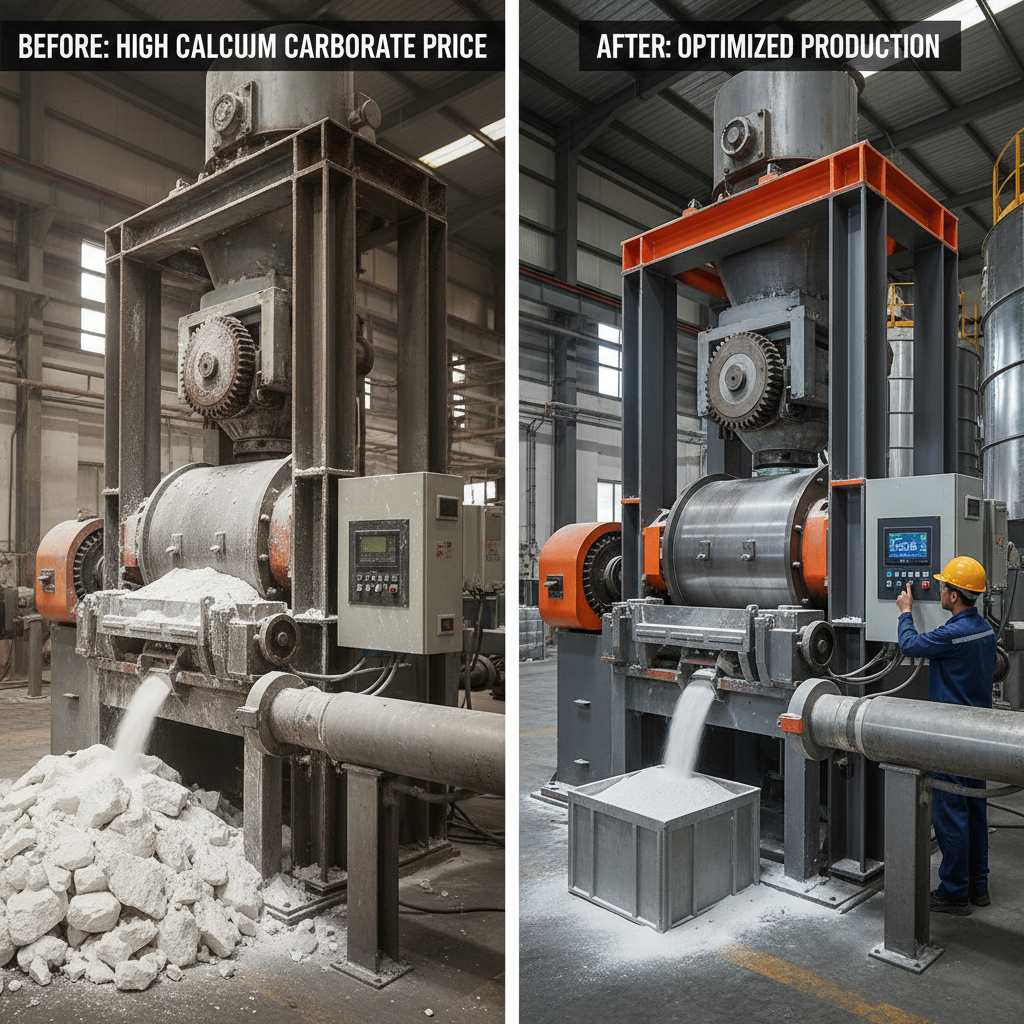
From a sustainability perspective, expanded clay production can be optimized to minimize environmental impact. Utilizing recycled clay sources and implementing energy-efficient kiln technologies reduces carbon emissions and conserves natural resources. Its durability and long lifespan contribute to reduced material waste, aligning with circular economy principles. Expanded clay’s low maintenance requirements further enhance its sustainability profile.
Moreover, the inherent inertness of expanded clay eliminates the risk of leaching harmful chemicals into the environment, promoting soil and water health.
Future Trends and Innovations in Expanded Clay Technology
Ongoing research and development efforts are focused on enhancing the properties and expanding the applications of expanded clay. Nanomaterial incorporation is being explored to improve strength, thermal conductivity, and catalytic activity, opening doors to new applications in filtration and chemical processing.
The integration of expanded clay with bio-based polymers is gaining traction, creating biodegradable composites for sustainable packaging and construction materials. Furthermore, advancements in kiln technology are driving down energy consumption and reducing greenhouse gas emissions associated with production.
The trend towards green building and sustainable infrastructure will continue to fuel demand for innovative materials like expanded clay, paving the way for further technological advancements and broader adoption across various industries.
Overview of Expanded Clay Production and Performance Factors
| Clay Source Composition |
Firing Temperature (°C) |
Resulting Bulk Density (kg/m³) |
Porosity (%) |
| Kaolinite-Rich Clay |
1150 |
550 |
72 |
| Illite-Dominated Clay |
1250 |
480 |
78 |
| Montmorillonite-Based Clay |
1300 |
400 |
82 |
| Clay with Iron Oxide Additive |
1200 |
600 |
68 |
| Recycled Clay Mixture |
1180 |
520 |
75 |
| Standard Clay Blend |
1220 |
450 |
80 |
FAQS
Using expanded clay in lightweight concrete offers several significant advantages. The most notable benefit is the reduction in overall weight, leading to lower structural loads and reduced transportation costs. It also improves thermal insulation, enhances fire resistance, and provides superior sound absorption compared to traditional concrete. This makes it ideal for various construction applications, particularly in high-rise buildings and seismic zones.
Compared to perlite and vermiculite, expanded clay offers superior drainage and aeration, reducing the risk of root rot. It also has a neutral pH and doesn't decompose over time, making it a reusable and more sustainable option. While perlite and vermiculite are less expensive initially, expanded clay's longevity and performance often outweigh the cost difference, especially in long-term horticultural applications.
Expanded clay can be environmentally friendly, particularly when produced using sustainable practices. Utilizing recycled clay sources and implementing energy-efficient kiln technologies can significantly reduce its carbon footprint. The material itself is inert and non-toxic, posing no harm to soil or water. Its durability and reusability also contribute to reduced waste generation.
Structures incorporating expanded clay concrete can have a lifespan comparable to those built with conventional concrete, often exceeding 50-75 years with proper maintenance. The inherent durability and resistance to weathering of expanded clay contribute to the longevity of the structure. However, specific lifespan depends on factors such as environmental conditions, design specifications, and construction quality.
Expanded clay’s porous structure and large surface area make it an effective filtration medium. It’s used in wastewater treatment plants and industrial filtration systems to remove suspended solids, organic matter, and pollutants. Its inertness prevents unwanted chemical reactions, ensuring water quality. It serves as a biological filter, encouraging the growth of beneficial microorganisms that assist in the breakdown of contaminants.
While the initial cost of expanded clay may be higher than some traditional materials, its long-term benefits often outweigh the upfront investment. Reduced transportation costs due to its lightweight nature, lower foundation requirements, improved thermal insulation (leading to energy savings), and increased durability contribute to overall cost-effectiveness. Lifecycle cost analysis typically demonstrates the value proposition of expanded clay.
Conclusion
In conclusion, expanded clay represents a versatile and sustainable material with a broad spectrum of applications across construction, horticulture, and environmental engineering. Its unique properties – lightweight nature, high porosity, chemical stability, and thermal insulation – offer compelling advantages over conventional materials. The continued innovation and development in expanded clay technology promises even greater potential for reducing environmental impact and enhancing performance across various sectors.
Looking ahead, expanding research into nanomaterial integration and bio-based composite materials will further unlock the potential of expanded clay. Embracing sustainable production practices and promoting wider adoption of expanded clay will contribute to a more resilient and environmentally conscious future. Visit our website at www.shunmining.com to explore our range of expanded clay products and discover how we can support your project needs.