




Comprehensive Guide to Diatomite Properties Applications and Sourcing
Understanding Diatomite: A Comprehensive Guide
Diatomite, also known as diatomaceous earth, is a naturally occurring, siliceous sedimentary rock composed of fossilized remains of diatoms – a type of hard-shelled algae. This unique material boasts a wide range of industrial and consumer applications due to its exceptional properties like high porosity, large surface area, and chemical inertness. From filtration and absorbency to pest control and even cosmetic uses, diatomite is a surprisingly versatile resource. This article will delve into its properties, applications, sourcing, and benefits, providing a comprehensive overview for businesses and individuals alike.

The Unique Properties of Diatomite
What sets diatomite apart? Its microscopic structure is the key. Diatoms’ cell walls are made of silica, and when these organisms die, their remains accumulate and fossilize over millions of years. This results in a highly porous material with an enormous surface area. For example, one gram of diatomite can have a surface area exceeding 100 square meters! This exceptional porosity is responsible for its outstanding absorbent qualities. Furthermore, diatomite is chemically inert, meaning it doesn’t react with most substances, making it safe and reliable for diverse applications. It’s also relatively lightweight and has a low bulk density.
Key Highlights: Highly porous structure, enormous surface area, chemical inertness, lightweight, and low bulk density contribute to a vast range of applications.
Key Applications of Diatomite
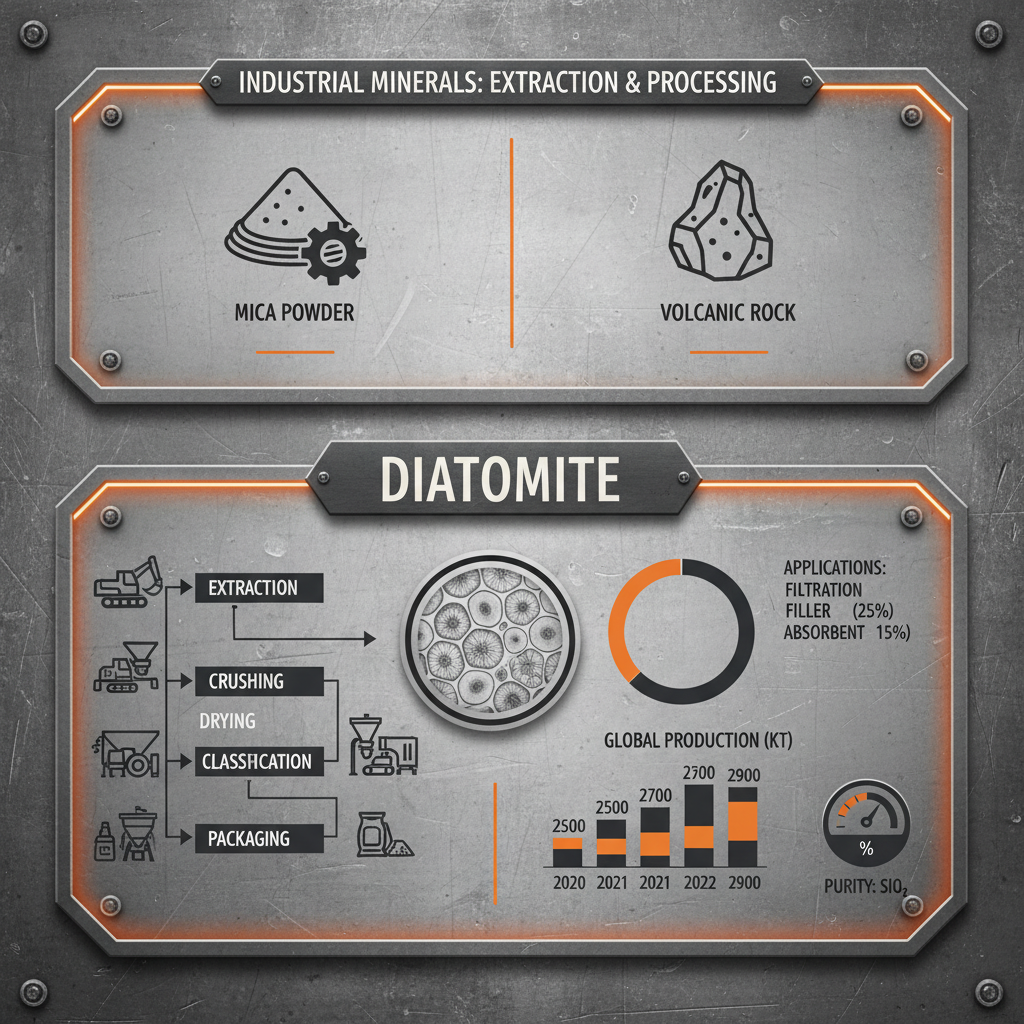
Diatomite's unique properties translate into a diverse range of uses. It's widely employed as a filtration aid in the food and beverage industry – think beer, wine, and fruit juices. Its absorbent qualities make it ideal for cat litter, oil spill cleanup, and industrial absorbents. In agriculture, it acts as a natural insecticide and soil amendment. Additionally, it’s used as a mild abrasive in polishes and cleansers and even as a functional filler in paints and plastics. ShunMining provides high-quality diatomite for a variety of these applications.
Application Areas:
• Filtration (Food & Beverage, Water)
• Absorbency (Cat Litter, Oil Spills)
• Insecticide & Soil Amendment (Agriculture)
• Abrasive (Polishes, Cleansers)
Diatomite Grades and Specifications
Diatomite isn't a one-size-fits-all material. It is categorized into various grades based on particle size, purity, and processing method. These grades are tailored for specific applications. Common grades include filter aid, flux calcined diatomite, absorbent diatomite, and insecticide grade. Different industries require different specifications for optimal performance.
Sourcing Diatomite: Global Deposits and Considerations
Significant diatomite deposits are found worldwide, with major sources in the United States, China, Turkey, Greece, and Japan. The quality and characteristics of diatomite vary depending on the geological formation and processing techniques. When sourcing diatomite, it's crucial to consider factors like purity, particle size distribution, moisture content, and the supplier’s quality control processes. Partnering with a reputable supplier like ShunMining ensures consistent quality and reliable supply.
Benefits of Using Diatomite
Choosing diatomite offers numerous benefits. It's a natural, non-toxic, and environmentally friendly material. Its cost-effectiveness and versatility make it an attractive option for a wide range of industries. Diatomite’s high porosity delivers superior performance in filtration and absorption applications. Plus, its inert nature ensures it won't contaminate the products it comes into contact with. It’s a sustainable and efficient resource for numerous industrial processes.
Conclusion
Diatomite is a remarkable natural resource with a surprisingly wide array of applications. Its unique properties, combined with its cost-effectiveness and environmental friendliness, make it an invaluable material for countless industries. ShunMining is committed to providing high-quality diatomite products to meet your specific needs. Explore the possibilities and discover how diatomite can benefit your operations.
Frequently Asked Questions (FAQs)
Is diatomite safe for use around pets and children?
Generally, diatomite is considered safe, however, it’s crucial to differentiate between food-grade and pool-grade diatomite. Food-grade diatomite is safe for consumption and can be used in animal feed supplements and as a natural insecticide around pets and children. Pool-grade diatomite, used for pool filtration, is calcined at higher temperatures and may contain crystalline silica, which can be harmful if inhaled. Always use food-grade diatomite for applications involving animals or children and follow the manufacturer’s safety guidelines.
How is diatomite used in agriculture?
Diatomite serves multiple purposes in agriculture. As a natural insecticide, it effectively controls pests like aphids, fleas, and mites by damaging their exoskeletons. It’s also used as a soil amendment to improve aeration, water retention, and nutrient absorption. Diatomite can also act as a carrier for fertilizers, ensuring even distribution. Its inert nature means it won't harm beneficial microorganisms in the soil.
What is the difference between calcined and uncalcined diatomite?
Uncalcined diatomite retains its natural structure and organic content. It's often used for filtration and absorption applications where its high surface area is crucial. Calcined diatomite, on the other hand, is heated to high temperatures, which removes organic matter and alters its structure. This results in a brighter, whiter material with increased hardness and improved chemical resistance. Calcined diatomite is commonly used in paints, plastics, and as a filler material.
Share
-
Guide to Expand Vermiculite Properties and Industrial ApplicationsNewsApr.16,2026
-
Ultimate Guide to Drilling Bentonite for Borehole StabilityNewsApr.09,2026
-
Exploring Dolomite Stone Properties Applications and Sourcing OptionsNewsApr.07,2026
-
Comprehensive Guide to Dolomite Powder Applications and Industrial BenefitsNewsApr.04,2026
-
Comprehensive Guide to Diatomite Properties Applications and SourcingNewsMar.31,2026
-
Exploring Diatomaceous Earth A Comprehensive Guide to Uses and BenefitsNewsMar.28,2026


