Look, I've spent the last decade wading through mud on construction sites, hauling materials, and talking shop with the engineers who actually build things. And let me tell you, when it comes to lightweight fill and insulation, expand vermiculite is a game-changer. It's not just some lab experiment; it's a practical solution to real-world problems we face every single day. We’re talking about reducing weight, improving fire resistance, and boosting energy efficiency – all things that directly impact budgets and build quality.
For years, we’ve been stuck with heavier, more cumbersome materials. Think about the back-breaking work of moving dense aggregates or the challenges of insulating tight spaces. Expand vermiculite offers a serious advantage, and frankly, it’s about time more builders started paying attention. It's about working smarter, not harder. It’s about keeping projects on schedule and under budget, and that's what matters out here.
I've seen firsthand how this stuff can simplify builds, improve safety, and ultimately, deliver a better product. It's not a silver bullet, but it's a powerful tool in our arsenal, and it deserves a closer look by anyone serious about construction.
The Practical Benefits of Expand Vermiculite
I’ve seen projects where expand vermiculite has cut labor costs significantly. Think about it – less weight to move means faster installation. And it's not just about speed. It’s about reducing strain on crews, which means fewer injuries and a more productive workforce.
It also handles moisture incredibly well. We deal with a lot of damp conditions on site, and materials that absorb water quickly become liabilities. Expand vermiculite’s ability to resist moisture buildup keeps structures sound and prevents mold growth, saving a headache down the line.
Understanding the Core Properties
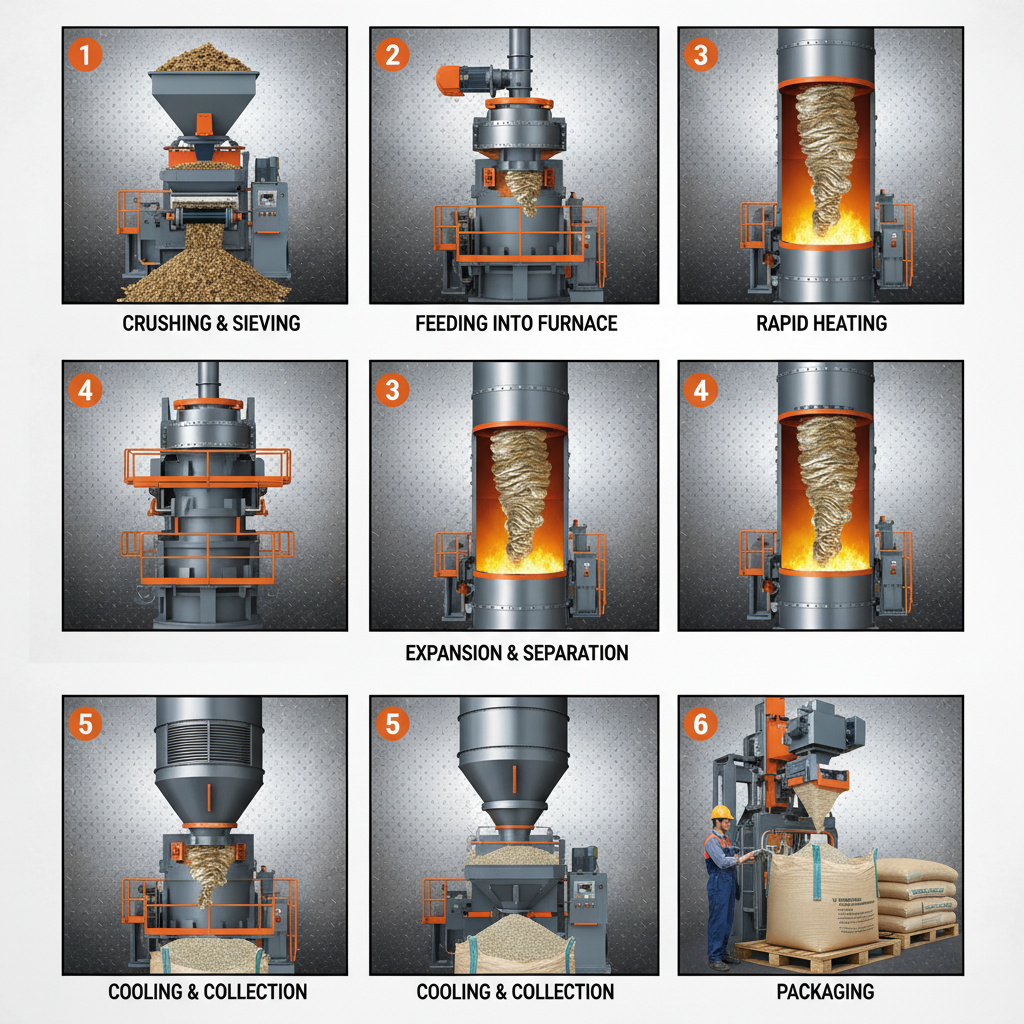
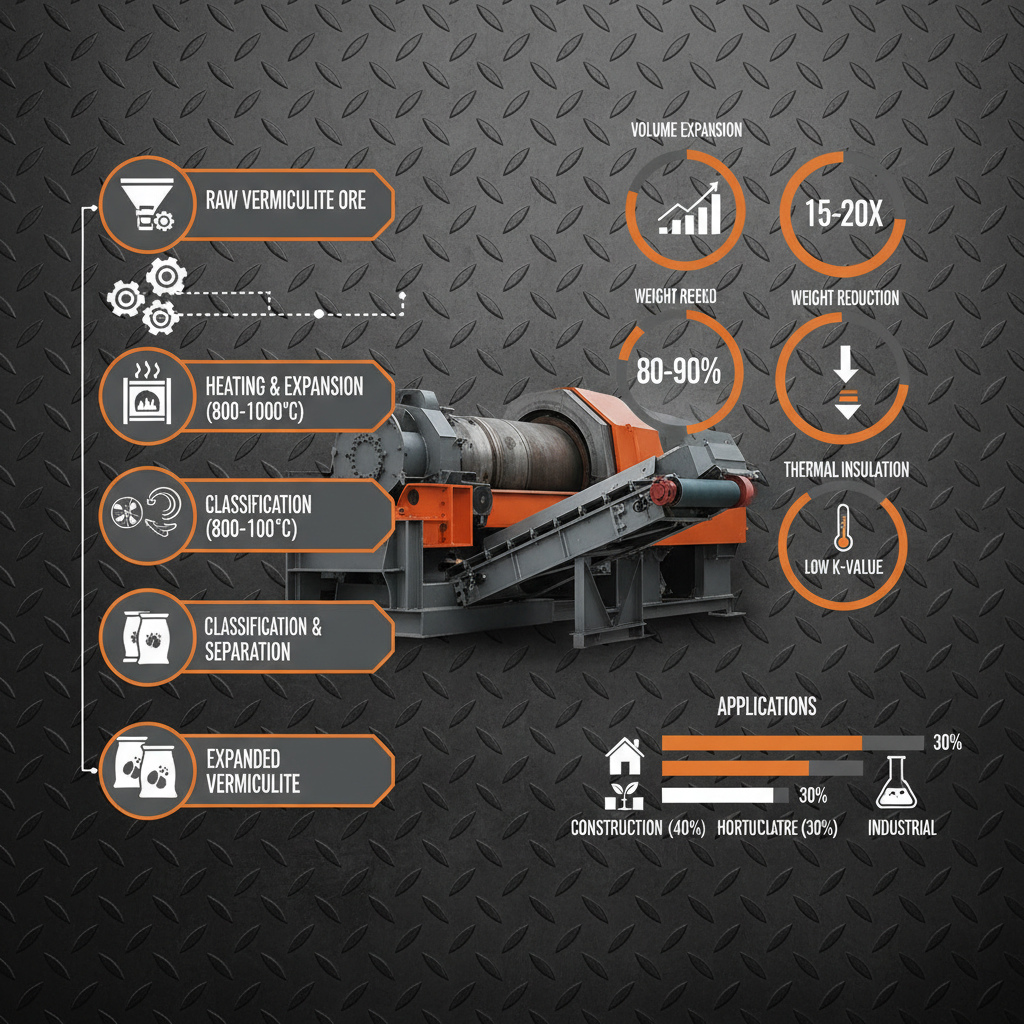
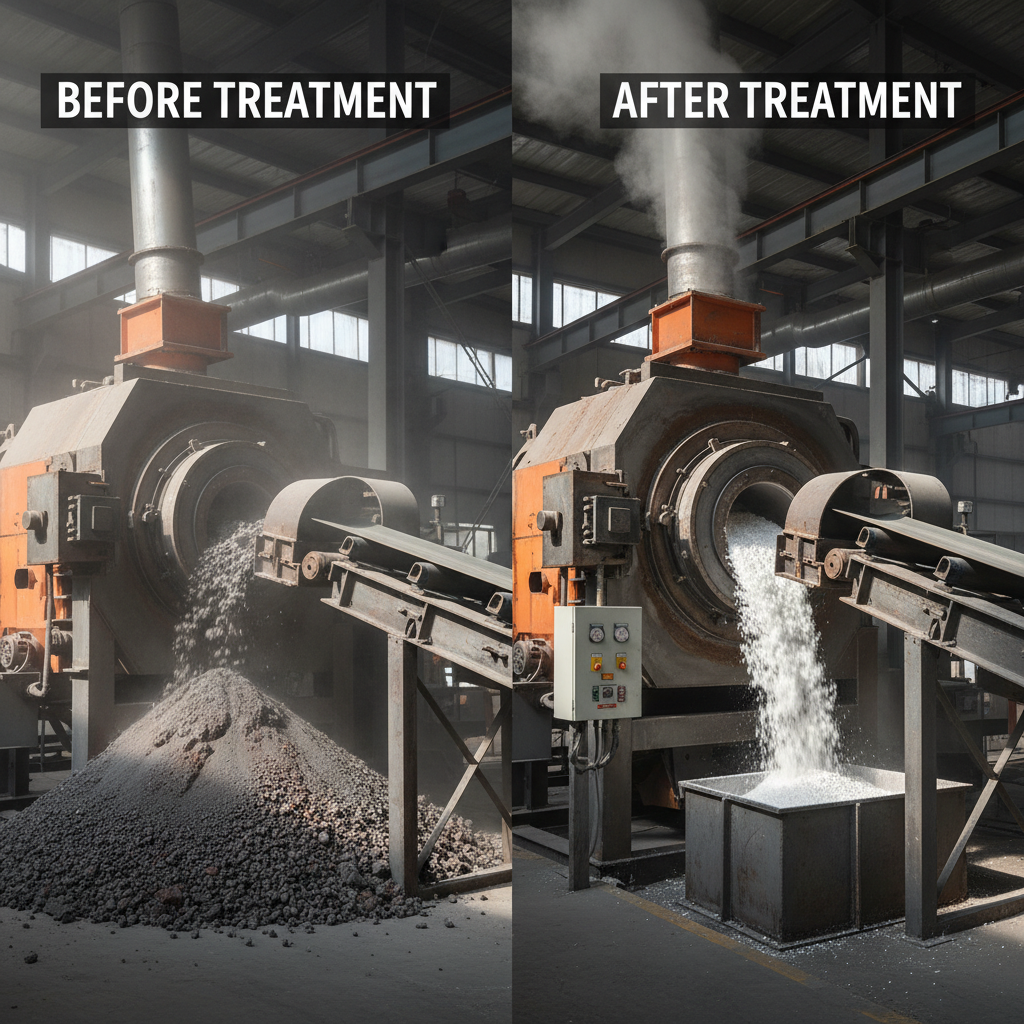
At its heart, expand vermiculite is a mineral that’s heated up to extreme temperatures, causing it to expand like popcorn. This process creates a lightweight, porous material with some pretty unique properties. It's incredibly insulating, both thermally and acoustically. It’s also naturally fire-resistant, which is a huge plus in construction.
What I appreciate is its consistency. You're not dealing with variations in density or performance like you often see with other materials. It comes reliably expanded and ready to use, and that predictability is key when you're trying to stick to a schedule.
The pH is also generally neutral, which means it doesn't react with other building materials, preventing corrosion or deterioration over time. That long-term stability is something that often gets overlooked, but it’s vital for durable construction.
Key Factors Driving Adoption
The biggest driver, hands down, is cost-effectiveness. While the initial material cost might be slightly higher than some alternatives, the savings in labor, transportation, and long-term energy efficiency add up quickly. When you factor in the reduced weight and easier handling, it makes a strong economic case.
Sustainability is also becoming a major factor. Expand vermiculite is a naturally occurring mineral, and its production process has a relatively low environmental impact compared to some synthetic materials. More and more clients are demanding green building practices, and this is a way to deliver.
Finally, building codes are getting stricter when it comes to fire safety and energy efficiency. Expand vermiculite helps builders meet – and even exceed – these requirements, giving them a competitive edge.
Real-World Applications on the Job Site
I've used it for everything from lightweight concrete blocks to insulating attics and filling wall cavities. It’s brilliant for soundproofing, especially in multi-family buildings. I recently worked on a project where we used it to create a fire-resistant barrier around electrical wiring – a lifesaver, literally.
We’ve also utilized it in creating a lightweight fill for retaining walls, reducing the load on foundations and simplifying the construction process. It’s incredibly versatile. I've even seen it mixed with plaster for a more insulating and lightweight finish coat.
Expand Vermiculite Application Ratings
The Long-Term Value Proposition
It’s not just about saving money upfront. Expand vermiculite contributes to long-term building performance. The thermal insulation reduces energy consumption, lowering utility bills for building owners. The fire resistance provides peace of mind and potentially reduces insurance costs.
From my perspective, durability is key. Buildings need to last, and materials that contribute to longevity are worth the investment. I’ve seen buildings insulated with vermiculite maintain their performance for decades without degradation.
Innovations and Future Trends in Expand Vermiculite
There’s some exciting research happening right now around combining expand vermiculite with other materials to create even more advanced composites. We're looking at mixing it with polymers to enhance its structural properties and exploring ways to use it in 3D printing for construction.
I also see potential for using it in prefabricated building components, further streamlining the construction process. The lightweight nature of the material makes it ideal for modular construction.
The move towards sustainable building practices will continue to drive demand for materials like expand vermiculite, and I expect to see even more innovative applications in the years to come.
Challenges and Practical Solutions
One of the main challenges is dust control during installation. It's lightweight and can become airborne easily. The solution is simple: proper ventilation, dust masks, and careful handling. It’s a minor inconvenience compared to the benefits.
Another concern is ensuring proper compaction when used as fill. It requires a different approach than traditional aggregates. Educating crews on the correct techniques is crucial.
Finally, sourcing high-quality expand vermiculite is important. You want a consistent product with reliable performance. Working with reputable suppliers is the best way to ensure you’re getting what you pay for.
Expand Vermiculite Application Performance Analysis
| Application Area |
Thermal Resistance |
Fire Safety |
Cost-Effectiveness |
| Roof Insulation |
9/10 |
8/10 |
7/10 |
| Wall Cavity Fill |
8/10 |
9/10 |
8/10 |
| Concrete Lightweighting |
6/10 |
7/10 |
9/10 |
| Fireproofing Barriers |
5/10 |
10/10 |
6/10 |
| Soundproofing Applications |
7/10 |
6/10 |
7/10 |
| Lightweight Fill |
4/10 |
5/10 |
8/10 |
FAQS
Expand vermiculite offers several advantages. It's incredibly lightweight, making handling and installation much easier. It provides excellent thermal and acoustic insulation, and it’s naturally fire-resistant. Plus, it's a sustainable material with a lower environmental impact compared to some synthetics. For us on site, it translates to faster builds, safer working conditions, and a higher quality product.
That’s one of its strengths. Expand vermiculite doesn't readily absorb moisture, which prevents mold growth and maintains its insulating properties even in damp conditions. We encounter a lot of moisture on job sites, and this resistance is a huge benefit. It helps keep the building structure sound and prevents costly repairs down the line.
Absolutely. Expand vermiculite is naturally non-combustible and provides excellent fire resistance. It’s often used to create fire-resistant barriers around structural elements, like steel beams, and in fireproofing sprays. It doesn't release toxic fumes when exposed to heat, making it a safe choice for building protection.
The main concern is dust. It’s lightweight and can become airborne easily. Always wear a dust mask during handling and installation, and ensure adequate ventilation in the work area. Simple precautions like these will minimize any potential irritation.
While the initial material cost might be slightly higher than some alternatives, the overall cost-effectiveness is excellent. Savings in labor, transportation, and long-term energy efficiency often outweigh the upfront expense. Plus, the durability and fire resistance contribute to lower maintenance and insurance costs.
Definitely. I've used it for everything from lightweight concrete blocks and attic insulation to soundproofing walls and creating fire-resistant barriers. It’s a remarkably versatile material that can be adapted to a wide range of construction needs. Its lightweight nature and insulating properties make it a valuable addition to any project.
Conclusion
Expand vermiculite isn't just another building material; it’s a practical solution that addresses real-world challenges on the job site. From reducing labor costs and improving fire safety to enhancing energy efficiency and promoting sustainability, the benefits are clear. It’s a material I’ve come to rely on over the years, and I’ve seen it consistently deliver superior results.
I encourage anyone involved in construction – from architects and engineers to builders and contractors – to explore the potential of this versatile material. It’s a smart investment that can save time, money, and ultimately, improve the quality and longevity of your projects. Visit our website at www.shunmining.com to learn more.