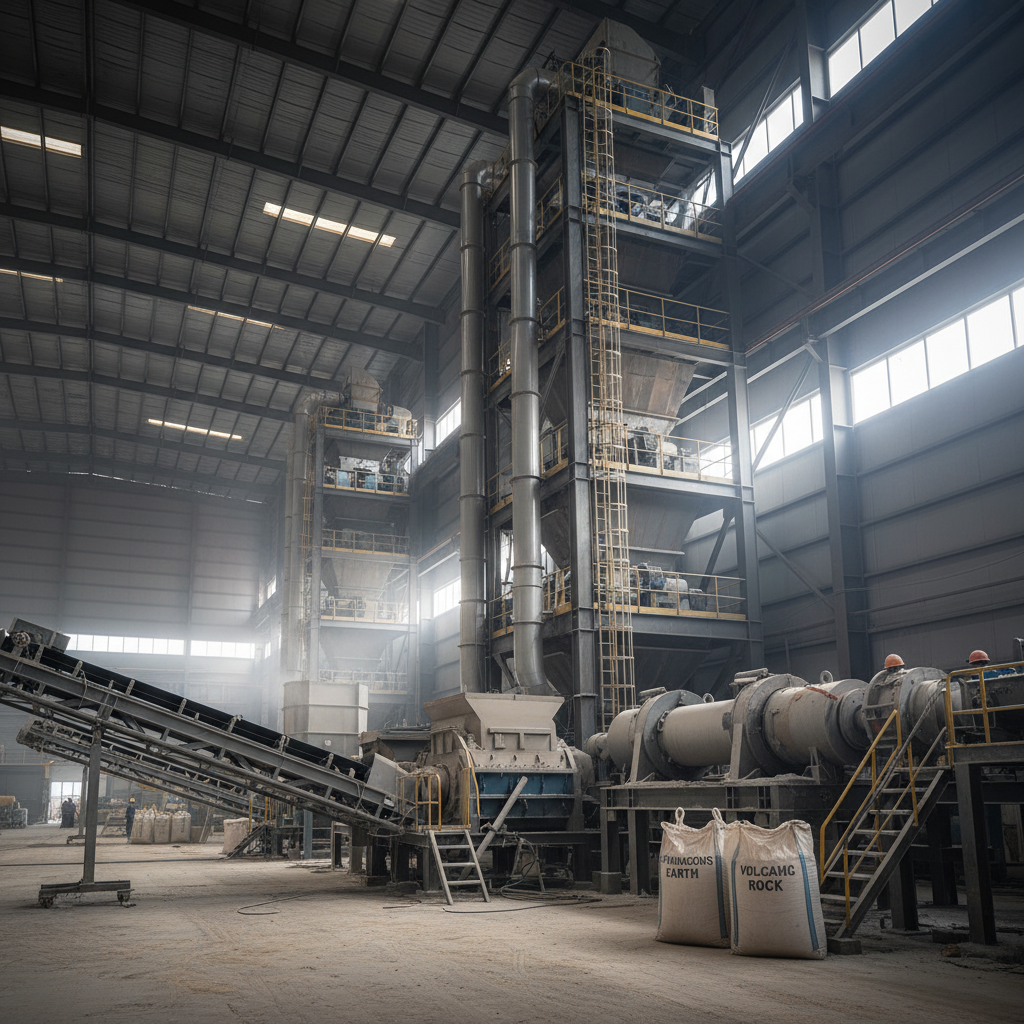
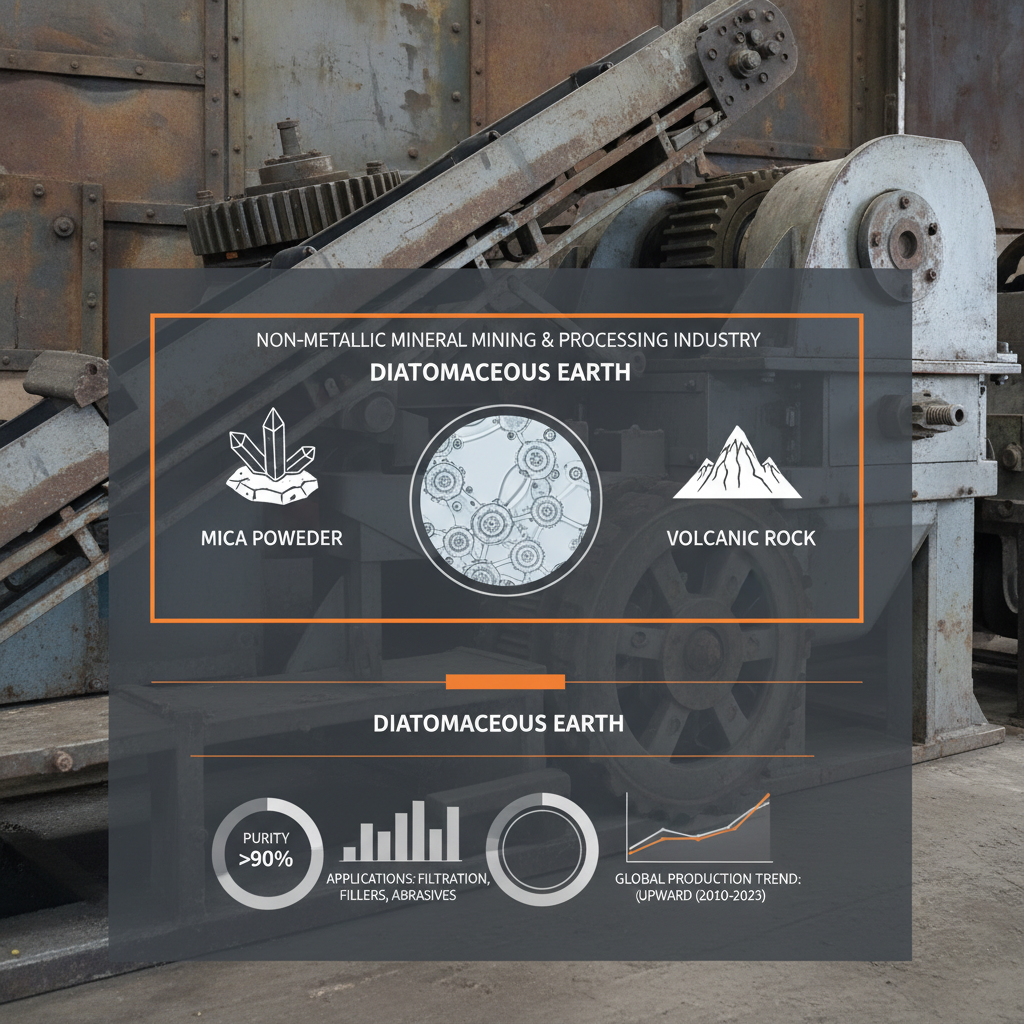
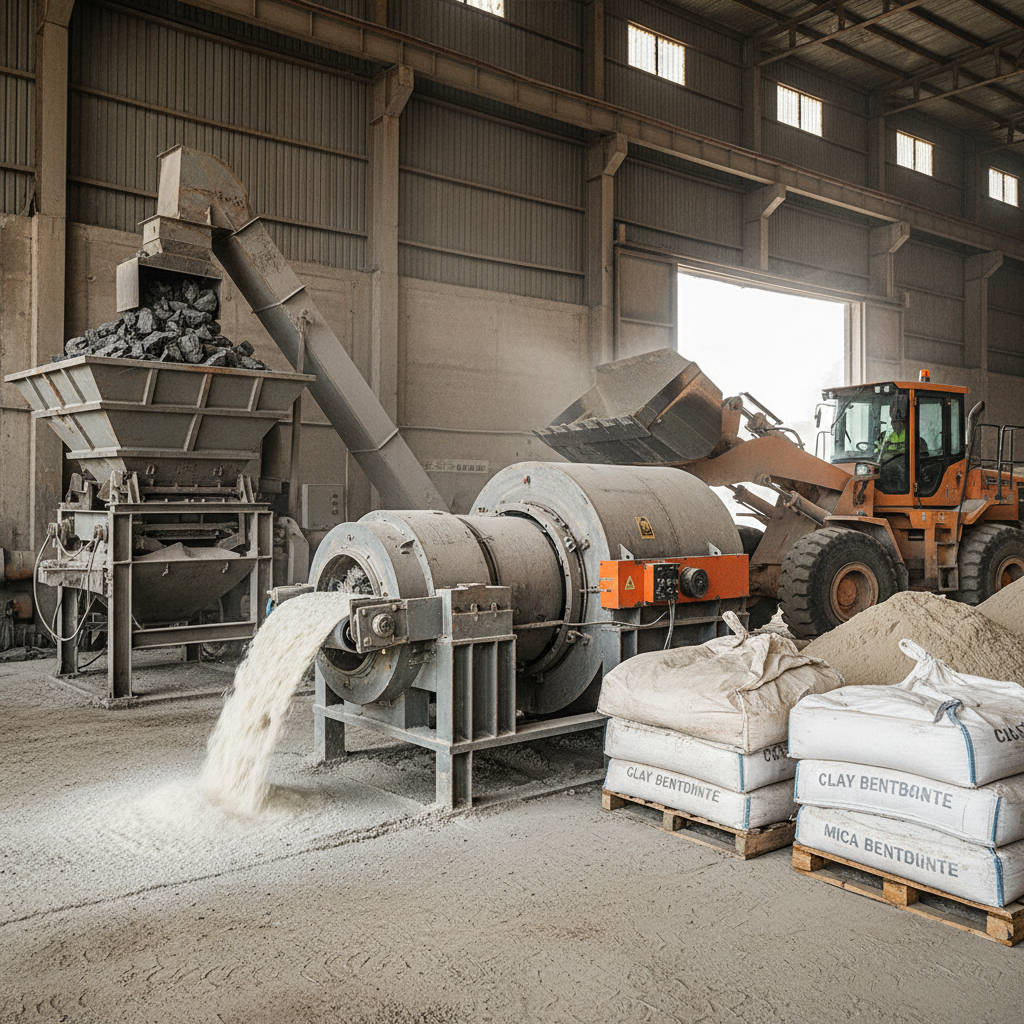
Diatomaceous earth—DE, as we call it on site—isn’t some newfangled material. I’ve been seeing it around for years, usually in unassuming bags. But lately, it’s been popping up in more and more applications, and for good reason. It’s fundamentally a super-fine powder made from fossilized diatoms – tiny, single-celled algae. Sounds simple, right? But that simplicity belies a remarkably versatile material. I've seen it used for everything from concrete additives to filtration, and even as a natural pesticide. It's a workhorse, and if you're not paying attention, you're missing out on a lot of potential.
What's really grabbed my attention lately isn't just that it works, but how efficiently it solves problems. We’re constantly chasing cost savings and sustainable practices, and DE delivers on both. I’ve spent too many years watching crews wrestle with expensive, complicated solutions when something as straightforward as DE could have done the job just as well, and often better. It's the kind of material that makes your job easier, and anything that does that is gold in my book.
The beauty of diatomaceous earth is that it’s incredibly abundant and relatively inexpensive to produce. This accessibility is huge, especially for projects in remote locations or where budget constraints are tight. It’s not some exotic import; it’s readily available, which cuts down on lead times and transportation costs – a big win when you’re trying to keep a project on schedule.
The Versatility of Diatomaceous Earth
I’ve seen diatomaceous earth used in ways that would surprise a lot of people. It’s not just about pest control anymore, though that’s a big one. We use it as a functional filler in plastics, significantly reducing weight and improving certain material properties. I’ve even seen it as an anti-caking agent in cement, which makes a huge difference when dealing with large-scale pours. The sheer range of applications is what’s really striking.
What I’ve learned over the years is that you need to understand the different grades of DE. Food grade is, naturally, different than industrial grade, and the processing method dramatically alters its properties. It’s not a one-size-fits-all material. Knowing the specifics of your application and choosing the right grade is critical to getting the performance you need.
Global Relevance and Market Dynamics
The global demand for diatomaceous earth is surprisingly strong and consistently growing. It’s not tied to any single booming market, which makes it a relatively stable commodity. A lot of that demand comes from the filtration sector – water purification is a huge driver, and it's only going to increase with growing populations and stricter environmental regulations.
Looking at the data, North America and Europe currently represent significant markets, but Asia-Pacific is where the real growth is happening. They’re heavily investing in infrastructure and filtration technologies, and DE is a key component in a lot of those projects. What I'm seeing on sites is a push for more sustainable materials, and that's fueling the demand for DE as a natural alternative to synthetic options.
One thing to watch is the potential for supply chain disruptions. DE deposits are concentrated in certain regions, and political instability or logistical challenges can impact availability and price. That's why building relationships with reliable suppliers is so important, especially for large-scale projects.
Defining Diatomaceous Earth: Composition & Types
Simply put, diatomaceous earth is the fossilized remains of microscopic algae called diatoms. These diatoms accumulate in lakes and oceans, and over millions of years, their silica shells build up to form these massive deposits. The resulting material is incredibly porous, and that porosity is what gives it so many unique properties.
There are two main types: freshwater and saltwater. Freshwater DE tends to be finer and more absorbent, making it ideal for filtration. Saltwater DE is a bit coarser and often used in horticultural applications. But it’s not just about freshwater vs. saltwater. The geological location of the deposit and the processing methods also significantly impact the final product’s characteristics.
The silica content is also a key factor. Higher silica content generally means better filtration performance. I've learned to always check the spec sheets carefully to make sure I’m getting the right product for the job. You don’t want to waste time and money on a material that isn't up to the task.
Key Properties Driving Applications
The defining characteristic of diatomaceous earth is its incredibly high porosity. That’s what makes it such an effective filter. It’s like a microscopic sponge, capable of trapping tiny particles. But beyond that, it's also chemically inert, meaning it won’t react with other materials. It has a relatively low bulk density, making it lightweight and easy to handle.
It's also surprisingly abrasive, which is why it's used in scouring powders and even some industrial cleaning applications. That abrasiveness, combined with its absorbent properties, makes it great for soaking up spills. And importantly, it’s non-toxic, making it a safer alternative to many synthetic materials.
Diatomaceous Earth Properties Comparison
Applications Across Industries
We've already touched on filtration – water treatment plants, breweries, even swimming pool filters use DE extensively. But it doesn’t stop there. In the agricultural sector, it’s a natural insecticide, controlling pests without harsh chemicals. I've seen it used in animal feed as a flow agent and even as a digestive aid.
Then there’s the construction industry, where it’s finding its way into cement mixtures to improve workability and reduce cracking. It’s also used in lightweight concrete for insulation purposes. The potential applications seem to be expanding constantly as people discover new ways to leverage its unique properties.
Advantages: Cost, Sustainability & Performance
From a cost perspective, DE often undercuts synthetic alternatives without sacrificing performance. That's a big selling point, especially for projects with tight budgets. And it's not just about the initial cost; the longevity and durability of DE-based solutions can lead to long-term savings.
Sustainability is also a major advantage. It's a naturally occurring, biodegradable material. Using DE reduces our reliance on petroleum-based products and minimizes environmental impact. That's becoming increasingly important for clients who are prioritizing green building practices.
Finally, the performance is often superior. Its filtration capabilities are unmatched, and its ability to improve material properties in construction applications is well-documented. It’s a win-win-win: cost-effective, sustainable, and high-performing.
Future Trends & Innovation in DE Use
I’m seeing a lot of research into using DE in advanced materials, like nanocomposites. The idea is to leverage its high surface area and porosity to create materials with enhanced properties, like increased strength and conductivity. There’s also a growing interest in using DE for carbon capture, leveraging its porous structure to trap CO2 from industrial emissions.
The development of new processing techniques is also expanding the possibilities. Modified DE, with altered particle size and surface chemistry, can be tailored to specific applications. This customization will unlock even more potential uses in the future.
We're also likely to see increased regulation around the use of synthetic materials, which will further drive demand for natural alternatives like diatomaceous earth. It’s a material that's well-positioned to play a significant role in a more sustainable future.
Summary of Diatomaceous Earth Application Trends
| Application Area |
Innovation Focus |
Potential Impact |
Development Stage |
| Filtration |
Nanomaterial Integration |
Increased Filtration Efficiency & Capacity |
Pilot Project |
| Agriculture |
Controlled-Release Formulations |
Reduced Pesticide Use & Improved Crop Yield |
Lab Testing |
| Construction |
Lightweight Concrete Additive |
Reduced Building Weight & Enhanced Insulation |
Market Adoption |
| Environmental Remediation |
Carbon Capture Technology |
Reduced Greenhouse Gas Emissions |
Research & Development |
| Plastics |
Reinforcing Filler |
Increased Strength & Reduced Material Costs |
Commercial Production |
| Cosmetics |
Mild Abrasive & Carrier |
Gentle Exfoliation & Improved Formulation |
Formulation Testing |
FAQS
Food-grade DE undergoes a more rigorous purification process to ensure it meets safety standards for consumption. It has a higher purity level, lower crystalline silica content, and is typically milled finer. Industrial-grade DE is still effective for many applications, but it may contain trace impurities and isn't suitable for human or animal ingestion. The cost difference reflects these processing variations – food grade is significantly more expensive.
While generally considered safe, diatomaceous earth is a very fine powder, and inhalation should be avoided. Always wear a dust mask or respirator when handling it, especially in large quantities. Prolonged skin contact can also cause dryness, so gloves are recommended. It's also important to note that some DE products may contain trace amounts of crystalline silica, which is a known respiratory hazard, so always refer to the safety data sheet (SDS) for specific product information.
Diatomaceous earth has a significantly larger surface area than sand, making it much more effective at trapping smaller particles. It's also more porous, allowing for higher flow rates. Compared to activated carbon, DE doesn’t remove dissolved substances or odors, but it excels at particulate filtration. The best choice depends on the specific application – often, they are used in combination for comprehensive filtration solutions.
Diatomaceous earth is biodegradable and generally considered environmentally friendly. Used DE can often be disposed of in landfills, but it's important to check local regulations. In some cases, it can be composted or used as a soil amendment. However, if the DE has been used to filter hazardous materials, it must be disposed of as hazardous waste, following appropriate guidelines.
The price of diatomaceous earth is affected by several factors, including the grade (food vs. industrial), the purity level, the particle size, and the transportation costs. Supply and demand also play a role, as does the geographic location of the deposit. Recent geopolitical events and supply chain disruptions have also contributed to price fluctuations, so it’s important to shop around and compare quotes from multiple suppliers.
Always request a certificate of analysis (COA) from the supplier, which provides detailed information about the product's composition and purity. Check the silica content, particle size distribution, and moisture level. Look for suppliers with established quality control processes and a good reputation. Don't be afraid to ask questions about the sourcing and processing of the DE to ensure it meets your specific requirements.
Conclusion
Diatomaceous earth isn't a flashy material, but its versatility, cost-effectiveness, and sustainability make it an incredibly valuable resource across a wide range of industries. From improving filtration efficiency to enhancing construction materials and promoting sustainable agriculture, DE offers practical solutions to many of the challenges we face today. It's a material I’ve consistently underestimated over the years, and I’m continually impressed by its ability to deliver.
Looking ahead, continued innovation in processing techniques and material science will unlock even more potential applications for diatomaceous earth. By embracing this natural resource and exploring its full capabilities, we can create a more sustainable and efficient future. If you're looking for a cost-effective, environmentally friendly, and high-performing material, I highly recommend taking a closer look at what diatomaceous earth has to offer.