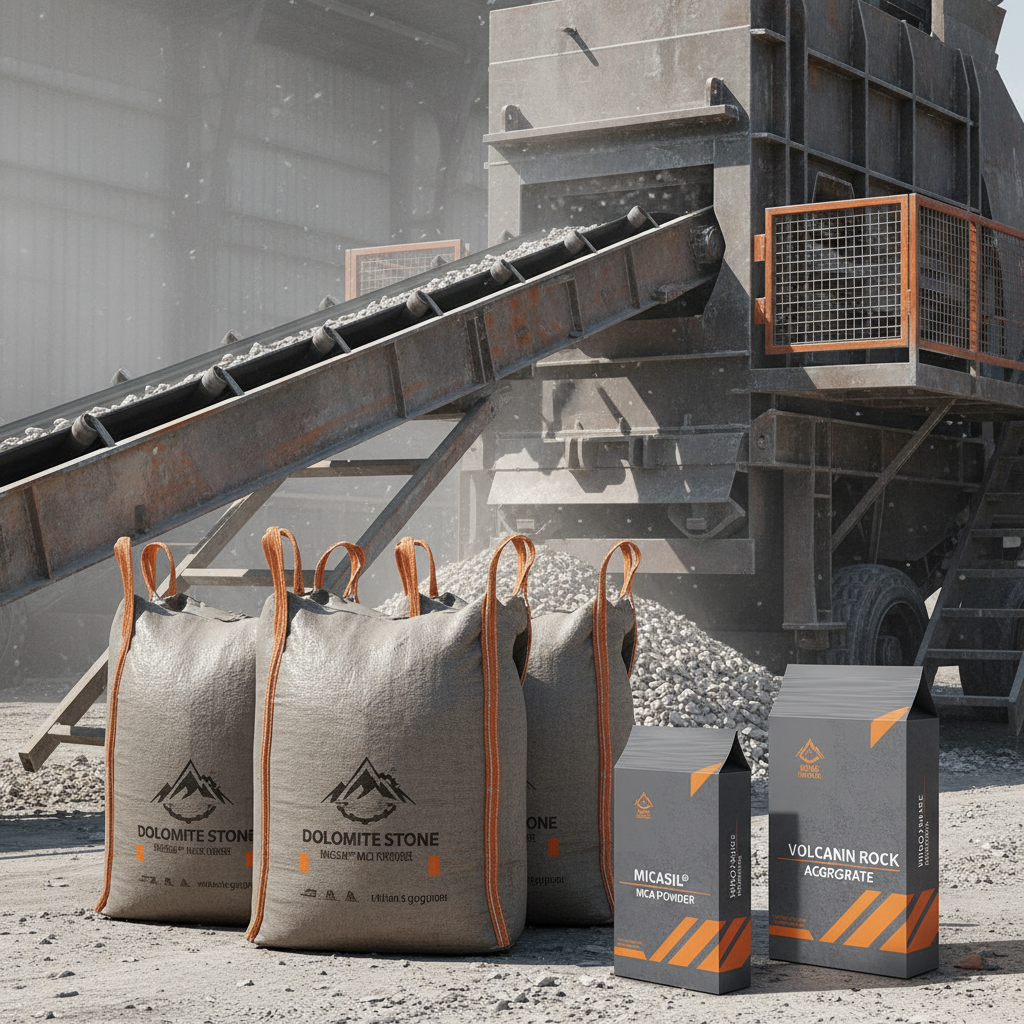
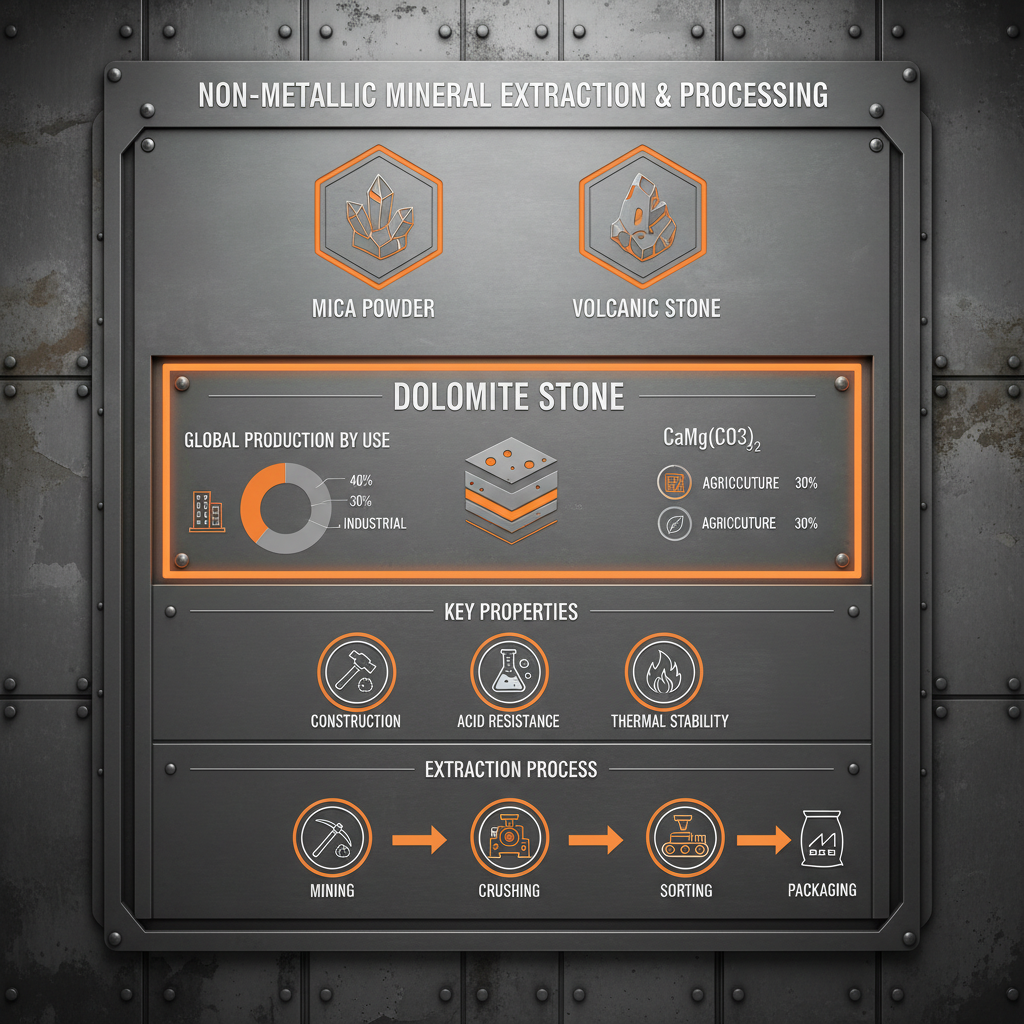
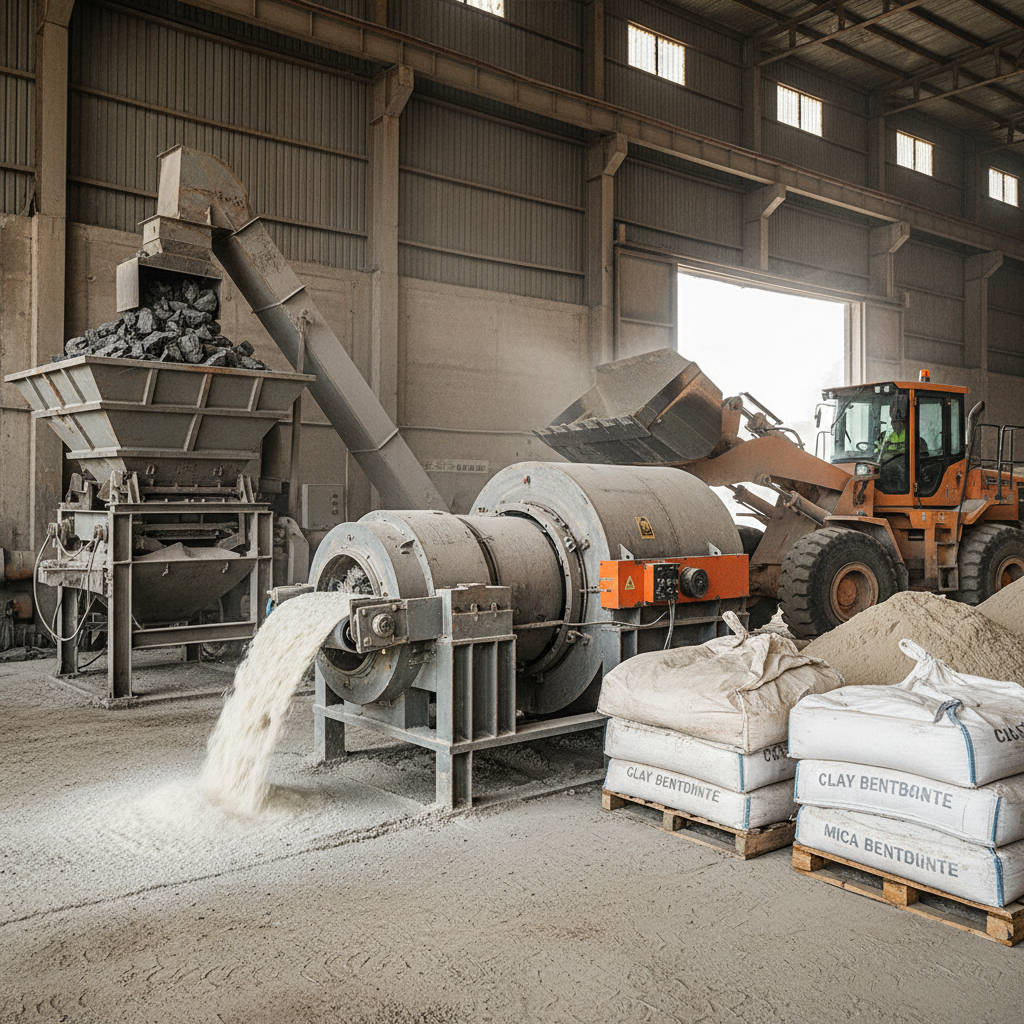
Dolomite stone. It's not just some rock you dig out of the ground. I've spent years walking construction sites, elbows deep in dust, talking to engineers, and frankly, getting my hands dirty. And what you quickly realize is how fundamental this stuff is. It's the backbone of a lot of what we build – from the concrete in our roads to the steel we use in skyscrapers. It’s quietly essential. We’re talking about a carbonate mineral, calcium magnesium carbonate, and that seemingly simple composition unlocks a surprising amount of versatility in the building world. Its abundance, coupled with its unique properties, makes it a cornerstone material for modern infrastructure.
What’s really interesting is how often people overlook the specifics of the material. They just see “stone.” But the purity, the grain size, the source… those details make all the difference. A seemingly small variation in dolomite composition can impact the strength and durability of a structure. I've seen projects delayed, budgets blown, because someone skimped on proper material selection. It's a reminder that even the most basic building blocks demand respect and attention. Understanding dolomite stone isn’t just academic; it directly affects the quality and longevity of everything we build.
And it's not just about construction. I’ve seen dolomite used in everything from agricultural lime to environmental remediation. It’s a surprisingly diverse material, and increasingly, we’re seeing more innovative applications popping up as engineers look for sustainable and cost-effective solutions. The global demand is steadily increasing, driven by infrastructure development and a growing awareness of its unique benefits. This isn’t just a material of the past; it’s a material with a very bright future.
The Fundamental Role of dolomite stone
You spend enough time on site and you learn to recognize the telltale signs of quality material. Dolomite stone, when properly sourced and processed, is a workhorse. I've seen it holding up under incredible stress in road construction, providing the critical aggregate for concrete that needs to withstand decades of traffic. It's the silent strength beneath our feet. The key is understanding its mineral composition and how that translates into real-world performance.
But it's not just about brute force. Dolomite stone also plays a crucial role in soil conditioning. Farmers use it to neutralize acidic soils, improving crop yields and creating healthier growing conditions. It’s a testament to the material’s versatility that it’s equally at home supporting a skyscraper and nurturing a field of wheat. It really is a fundamental component of our world.
Defining Dolomite Stone and Its Significance
Simply put, dolomite stone is a sedimentary rock composed primarily of calcium magnesium carbonate – the mineral dolomite. What separates it from limestone, which is mostly calcium carbonate, is that magnesium content. That extra element impacts its hardness, density, and overall durability. It’s a subtle difference chemically, but a significant one structurally. I've seen engineers carefully analyze the magnesium-to-calcium ratio to optimize material performance for specific applications.
Its significance stems from its abundance. Dolomite deposits are found worldwide, making it a readily available resource. This accessibility, combined with its inherent properties, has made it a staple material in countless industries. It’s not a trendy, high-tech material, but a reliable, cost-effective solution that’s been used for centuries. And that reliability is a big deal when you're building something meant to last.
In modern construction, dolomite stone is often used as a source of magnesium oxide, a vital component in the production of cement and refractory materials. It's the silent workhorse behind many of the materials we rely on every day, quietly ensuring the strength and durability of our built environment. It’s a vital link between geological resources and modern infrastructural needs.
Core Properties of Dolomite Stone
One of the key properties of dolomite stone is its hardness. It's harder than limestone, meaning it's more resistant to abrasion and weathering. This is crucial in applications where the material is exposed to constant wear and tear, like road construction or building facades. I’ve seen dolomite aggregate hold up remarkably well in high-traffic areas, even under harsh weather conditions.
Another important characteristic is its chemical stability. Dolomite is less susceptible to acid rain and other forms of chemical attack than some other carbonate rocks. This makes it a preferred choice for environmental applications, such as neutralizing acidic mine drainage or treating industrial wastewater. It's a natural buffer against corrosive elements, extending the lifespan of structures and protecting the environment.
Finally, dolomite's relatively low porosity contributes to its durability. Less porosity means less water absorption, which reduces the risk of freeze-thaw damage and other forms of deterioration. That’s a critical factor in cold climates where structures are constantly subjected to cycles of freezing and thawing. These combined properties make dolomite stone a remarkably resilient material.
Global Applications of dolomite stone
We've already touched on construction and agriculture, but the applications of dolomite stone are far-reaching. In the steel industry, it’s used as a fluxing agent, helping to remove impurities during the steelmaking process. That might sound technical, but it’s vital for producing high-quality steel. I’ve visited steel mills where they rely heavily on dolomite stone for their production.
Then there's the environmental sector. As I mentioned, it’s used to neutralize acidic pollutants, but it also plays a role in water treatment and soil remediation. Increasingly, we're seeing dolomite used in the creation of sustainable building materials, like eco-friendly cement alternatives. It's a versatile tool in our effort to create a more sustainable future.
Dolomite Stone Application Ratings
The Advantages and Long-Term Value
From a cost perspective, dolomite stone is often more affordable than other specialized materials. This makes it an attractive option for large-scale projects where budget is a major consideration. But cost isn't everything. The durability and longevity of dolomite stone translate into long-term savings by reducing the need for frequent repairs and replacements.
Sustainability is another key advantage. Dolomite is a naturally occurring mineral, and its extraction and processing generally have a lower environmental impact compared to the production of synthetic materials. Using dolomite stone contributes to a more circular economy by utilizing a readily available natural resource. It’s not a quick fix, but a practical step towards more responsible construction practices.
Future Trends in Dolomite Stone Utilization
I'm seeing a growing interest in using dolomite stone in geopolymers – sustainable alternatives to traditional cement. These materials offer comparable strength and durability with a significantly reduced carbon footprint. The research is promising, and I expect to see more widespread adoption of these technologies in the coming years.
Another trend is the development of more efficient and environmentally friendly extraction and processing techniques. Companies are investing in technologies to minimize waste, reduce energy consumption, and restore mined land. It's about doing more with less and ensuring that dolomite stone remains a sustainable resource for future generations.
We're also exploring new applications, like using dolomite stone in carbon capture and storage technologies. Its natural mineral composition makes it a potential candidate for sequestering carbon dioxide from the atmosphere, offering a double benefit for the environment.
Challenges and Sustainable Solutions
One of the main challenges is ensuring responsible sourcing and minimizing the environmental impact of quarrying. We need to prioritize land reclamation and biodiversity protection. I’ve seen firsthand the devastating effects of poorly managed quarries, and it’s a reminder that sustainable practices are non-negotiable.
Another issue is dust control during processing. Dolomite dust can be a health hazard, so companies need to invest in effective dust suppression technologies. I always wear a respirator when I'm on site, and I expect the same level of precaution from everyone else. It's a simple step that can make a big difference.
The solution lies in embracing circular economy principles. This means finding ways to reuse and recycle dolomite waste, minimizing our reliance on virgin materials. It also means collaborating with local communities to ensure that quarrying operations benefit everyone involved. It’s about building a more sustainable and equitable future for the dolomite industry.
Summary of Dolomite Stone Challenges and Solutions
| Challenge Area |
Severity Level (1-10) |
Potential Solution |
Implementation Cost (USD) |
| Environmental Impact of Quarrying |
8 |
Comprehensive Land Reclamation Programs |
50,000 - 200,000 |
| Dust Control During Processing |
7 |
Advanced Dust Suppression Systems |
20,000 - 80,000 |
| Waste Management & Recycling |
6 |
Develop Dolomite Waste Recycling Processes |
30,000 - 100,000 |
| Community Engagement & Social Impact |
5 |
Local Benefit Sharing Programs & Employment |
10,000 - 50,000 |
| Sustainable Sourcing Verification |
7 |
Independent Certification & Auditing |
5,000 - 20,000 |
| Water Usage & Management |
6 |
Water Recycling & Conservation Measures |
15,000 - 60,000 |
FAQS
While both are sedimentary rocks, the key difference lies in their composition. Limestone is primarily calcium carbonate, whereas dolomite stone contains a significant amount of magnesium carbonate. This gives dolomite greater hardness, chemical stability, and resistance to weathering. In practical terms, dolomite is often preferred for applications requiring durability and resistance to acidic environments, like road construction or water treatment. It’s not a huge difference chemically, but it translates to noticeable performance variations on site.
The source matters immensely. Different geological formations yield dolomite with varying levels of purity and mineral composition. Impurities can affect its strength, color, and overall performance. We always look for sources with a proven track record of consistent quality. Geological surveys and rigorous testing are crucial to ensure the material meets the required specifications for the project. You can't just grab any dolomite; you need to know where it comes from.
Like any mining operation, dolomite extraction can have environmental impacts, including habitat disruption, soil erosion, and water pollution. Responsible mining practices are essential to mitigate these risks. This includes comprehensive land reclamation plans, dust control measures, and careful water management. We prioritize working with suppliers who demonstrate a commitment to environmental stewardship and sustainable mining techniques.
Compared to many synthetic materials, dolomite stone is relatively sustainable. It’s a naturally occurring resource, and its extraction and processing generally have a lower carbon footprint. Furthermore, its durability means it lasts longer, reducing the need for replacements. We’re also seeing innovative uses of dolomite in eco-friendly cement alternatives, further enhancing its sustainability profile.
Dolomite is widely used as aggregate in road base and asphalt mixtures. Its hardness and resistance to abrasion provide excellent load-bearing capacity and durability. It’s particularly effective in areas with heavy traffic or harsh weather conditions. We’ve seen it significantly extend the lifespan of roadways, reducing maintenance costs and improving overall safety. It really is the backbone of our road networks.
Dolomite stone is commonly used as agricultural lime to neutralize acidic soils. Acidic soils can hinder plant growth by limiting nutrient availability. Dolomite provides both calcium and magnesium, essential nutrients for healthy plant development. It improves soil structure, enhances water retention, and ultimately boosts crop yields. It’s a simple but effective way to improve soil health and increase agricultural productivity.
Conclusion
Dolomite stone often gets overlooked, but it is a truly fundamental material. Its unique combination of hardness, chemical stability, and abundance makes it indispensable across a wide range of industries, from construction and agriculture to environmental remediation and steelmaking. It's not a flashy material, but a reliable, cost-effective, and increasingly sustainable solution that quietly supports our modern world.
Looking ahead, I expect to see even more innovative applications of dolomite stone emerge, driven by a growing demand for sustainable and durable materials. By embracing responsible sourcing practices and investing in new technologies, we can unlock the full potential of this remarkable resource and ensure its availability for generations to come. For more information on dolomite stone and its applications, visit our website: dolomite stone.