




Exploring Coating Powder Technology Applications Benefits and Industry Uses
Understanding Coating Powder: Applications, Benefits & More
Coating powder, a versatile finishing material, has revolutionized industries ranging from automotive to architecture. This article delves into the world of coating powder, exploring its composition, application methods, advantages, and various uses. We’ll also highlight key considerations when selecting the right coating powder for your specific needs. Discover how this innovative technology provides durable, aesthetically pleasing, and environmentally responsible solutions for surface finishing.
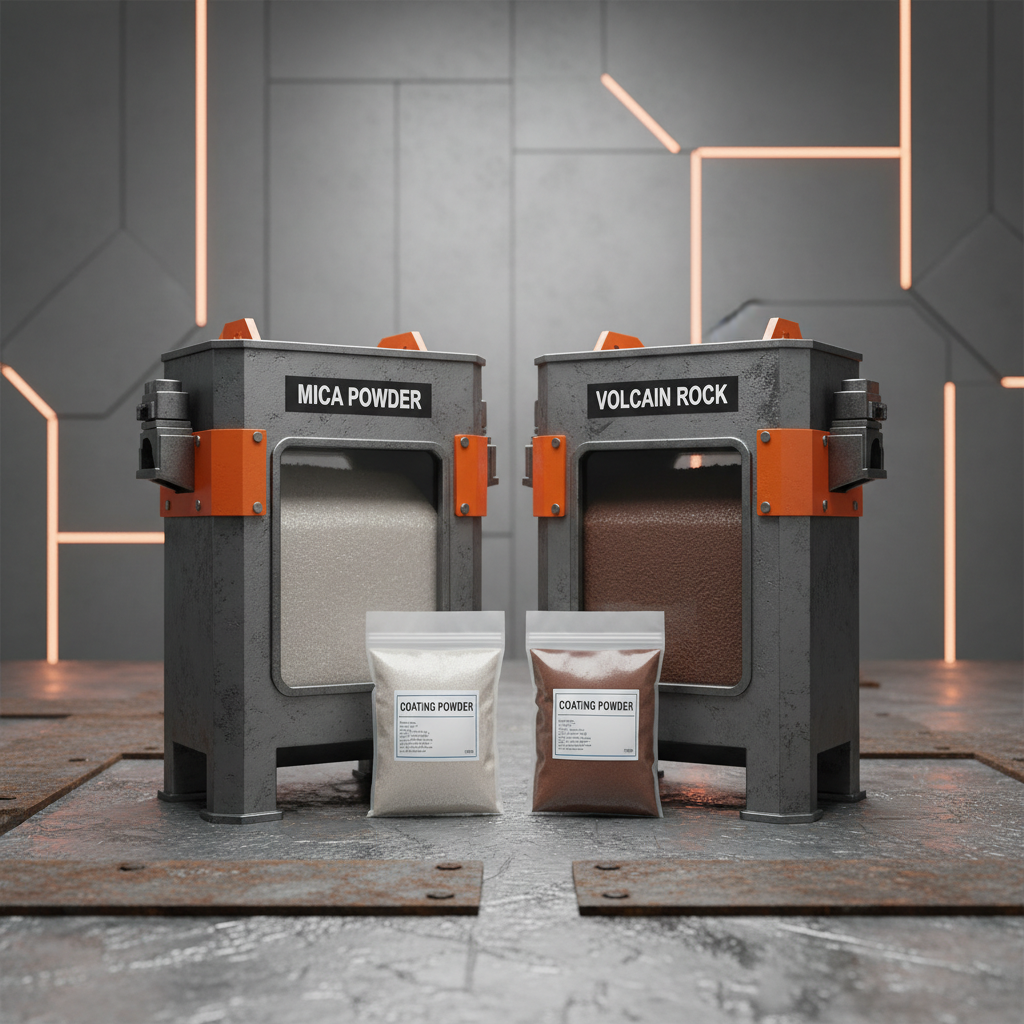
What is Coating Powder?
Coating powder is a dry, free-flowing powder typically composed of finely ground particles of pigment, resin, and curative additives. Unlike liquid paints, it doesn’t require a solvent to keep it in liquid form, making it a more environmentally friendly option. These particles electrostatically adhere to the surface of a part, and then are cured with heat to form a durable, uniform coating. The resin provides the film-forming properties, the pigment contributes color, and the curatives initiate the chemical reaction during the curing process. Choosing the right powder composition is vital for achieving desired performance characteristics, like corrosion resistance or flexibility.
Key Components: Resin, Pigment, Curative Additives. The selection of each component impacts the final coating properties.
The Powder Coating Process Explained
The powder coating process involves several key steps. First, the part to be coated must be thoroughly cleaned and pretreated to ensure optimal adhesion. Next, the powder is applied using electrostatic spray deposition (ESD) or fluidized bed coating. ESD charges the powder particles as they are sprayed, causing them to attract to the grounded part. Fluidized bed coating involves immersing the preheated part into a bed of fluidized powder. Finally, the coated part is cured in an oven, where the powder melts, flows, and chemically cross-links to form a hard, durable finish. Shunmining offers a range of powders suitable for diverse application methods.
Powder Coating Steps:
• Cleaning & Pretreatment
• Powder Application (ESD or Fluidized Bed)
• Curing
Types of Coating Powder: A Comparative Analysis
Several types of coating powder are available, each offering distinct properties. The most common include epoxy, polyester, polyurethane, and acrylic. Epoxy powders provide excellent corrosion resistance but are typically used for indoor applications due to their limited UV resistance. Polyester powders offer good UV resistance, making them suitable for outdoor use. Polyurethane powders are known for their superior flexibility and abrasion resistance. Acrylic powders provide excellent clarity and color retention. Understanding these differences is crucial for selecting the appropriate powder for your specific application.
Benefits of Using Coating Powder
The advantages of using coating powder are numerous. It offers a more durable finish than traditional liquid paints, providing excellent resistance to chipping, scratching, and corrosion. It’s also environmentally friendly, as it contains no volatile organic compounds (VOCs) and produces minimal waste. Furthermore, powder coating is cost-effective, offering a high transfer efficiency and reducing material consumption. Shunmining’s coating powders contribute to sustainable manufacturing practices.
Applications of Coating Powder Across Industries
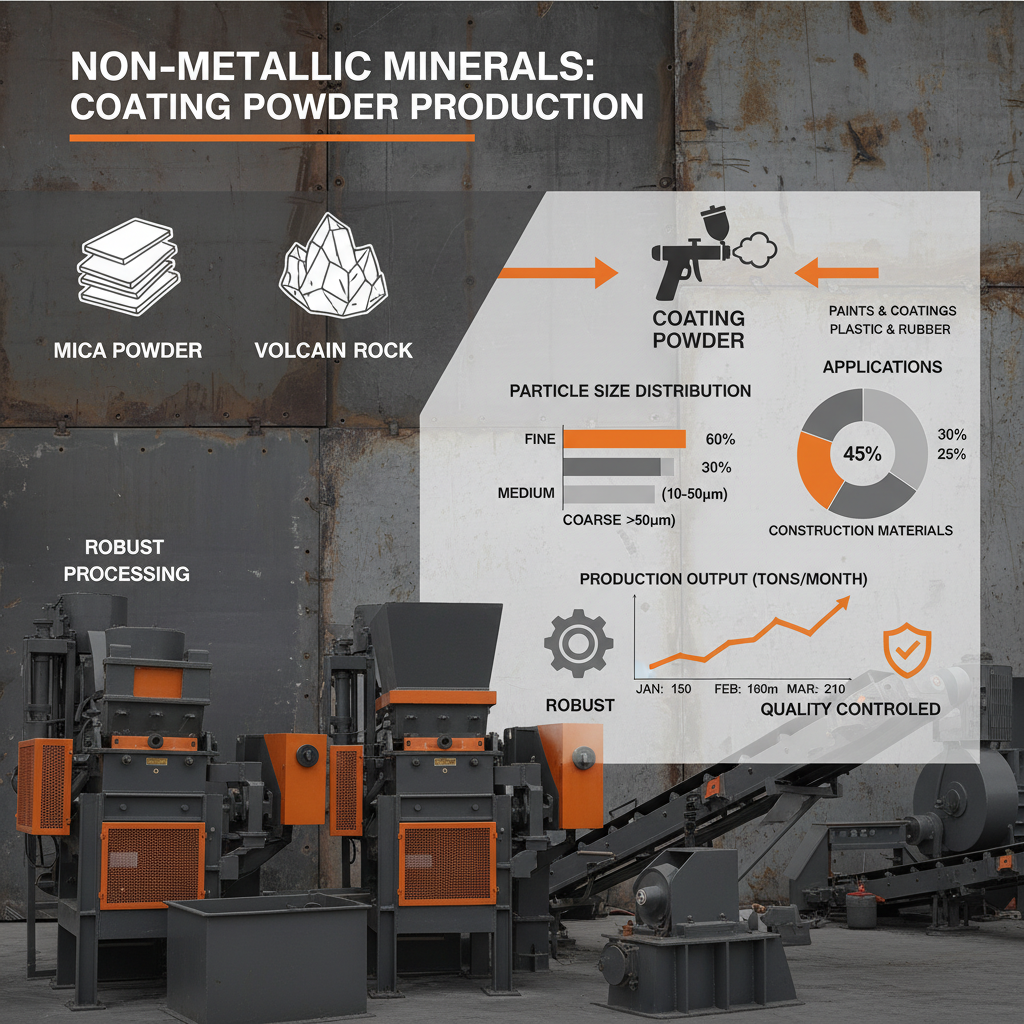
Coating powder finds applications in a wide array of industries. In the automotive sector, it’s used for coating car parts, wheels, and accessories. The appliance industry utilizes it for refrigerators, washing machines, and other household items. Architectural applications include coating aluminum extrusions, fencing, and outdoor furniture. The furniture industry benefits from its durability and aesthetic appeal. From industrial equipment to consumer products, coating powder enhances performance and longevity.
Conclusion: Embrace the Power of Coating Powder
Coating powder represents a significant advancement in surface finishing technology. Its durability, environmental friendliness, and cost-effectiveness make it an ideal choice for a vast range of applications. By choosing the right powder and application process, you can achieve superior results and long-lasting protection.
Frequently Asked Questions (FAQs)
What are the environmental benefits of using coating powder?
Coating powder is a significantly more environmentally friendly alternative to liquid paints. It doesn't contain volatile organic compounds (VOCs), which contribute to air pollution. Furthermore, the over-spray from powder coating can be collected and reused, minimizing waste. This leads to a reduction in hazardous waste disposal and a smaller environmental footprint. The efficient use of materials and reduced emissions make it a sustainable choice for businesses.
How long does a powder coating typically last?
The lifespan of a powder coating depends on factors like the type of powder used, the environment it’s exposed to, and the quality of the application process. However, powder coatings generally offer excellent durability and can last for 10-20 years or more with proper care. They are highly resistant to chipping, scratching, and corrosion, extending the life of the coated product.
What materials can be powder coated?
Powder coating can be applied to a wide variety of materials, including metals such as steel, aluminum, and stainless steel. It's also possible to powder coat certain plastics, although pretreatment is crucial to ensure proper adhesion. The versatility of powder coating makes it suitable for diverse applications across different industries.
What is the difference between powder coating and painting?
The key difference lies in the application method and composition. Painting uses liquid paint with solvents, while powder coating uses a dry powder electrostatically applied. Powder coating is more durable, environmentally friendly (no VOCs), and generally provides a thicker, more uniform finish. Painting requires more preparation, typically involves multiple coats, and may not offer the same level of protection or longevity.
Share
-
Guide to Expand Vermiculite Properties and Industrial ApplicationsNewsApr.16,2026
-
Ultimate Guide to Drilling Bentonite for Borehole StabilityNewsApr.09,2026
-
Exploring Dolomite Stone Properties Applications and Sourcing OptionsNewsApr.07,2026
-
Comprehensive Guide to Dolomite Powder Applications and Industrial BenefitsNewsApr.04,2026
-
Comprehensive Guide to Diatomite Properties Applications and SourcingNewsMar.31,2026
-
Exploring Diatomaceous Earth A Comprehensive Guide to Uses and BenefitsNewsMar.28,2026


