




Exploring the Vibrant World of Colored Sand and Its Diverse Applications
The Vibrant World of Colored Sand: A Comprehensive Guide
Colored sand is more than just a visually appealing material; it's a versatile product with applications spanning art, landscaping, and even industrial uses. From creating stunning decorative displays to providing a functional component in construction, understanding the nuances of colored sand is key to unlocking its full potential. This article delves into the production, types, applications, and sourcing of this captivating material. We will explore how choosing the right colored sand can enhance your projects, whether artistic or practical.
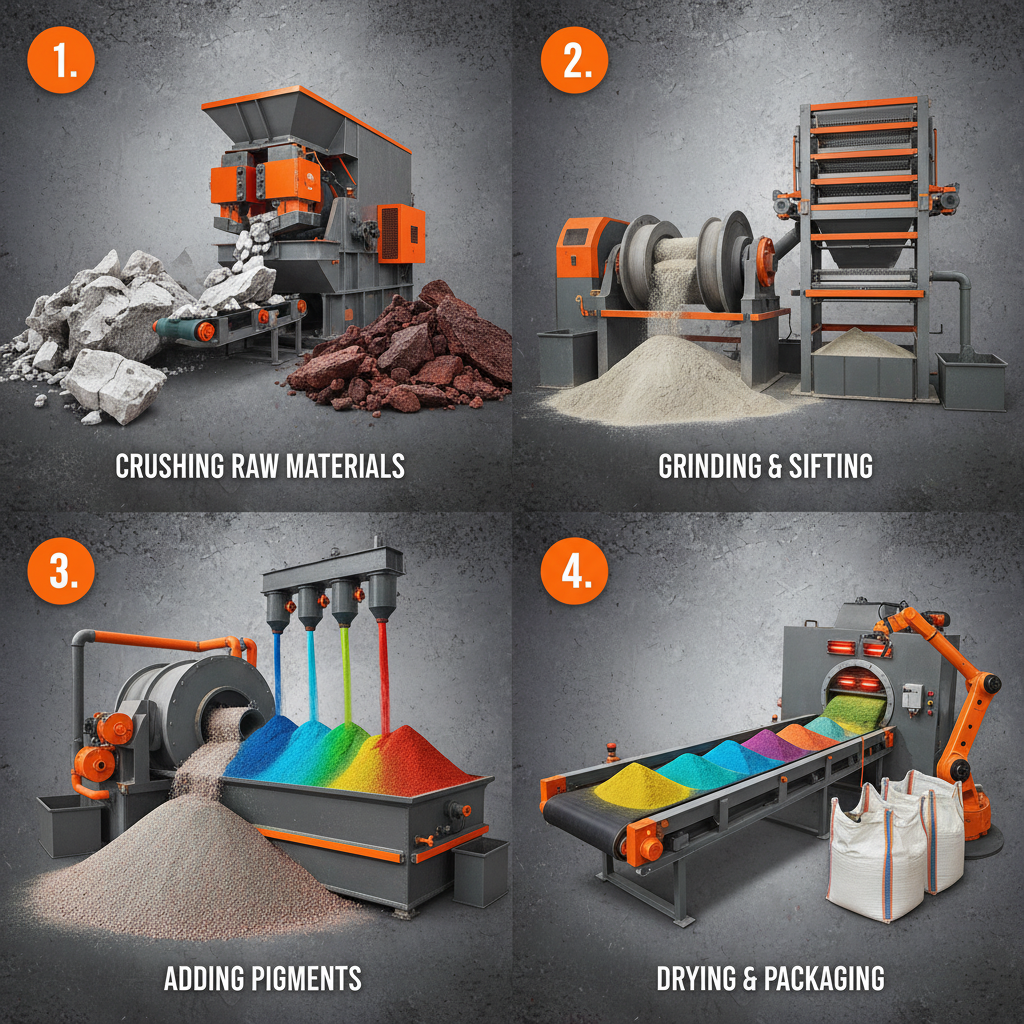
How is Colored Sand Produced?
The creation of colored sand is a fascinating process. It typically begins with high-quality silica sand, carefully selected for its purity and grain size. The sand is then thoroughly cleaned and dried. The coloring process itself involves mixing the sand with non-toxic, UV-resistant pigments. These pigments are often iron oxides, which provide a range of earthy tones, or synthetic pigments for brighter, more vibrant colors. The sand and pigment mixture is then thoroughly blended to ensure even color distribution. Finally, it undergoes another drying stage, resulting in the finished colored sand product. Shunmining specializes in consistently high quality colored sand.
Key Highlights: The process starts with pure silica sand, meticulous cleaning, and the addition of UV-resistant pigments for vibrant and lasting colors.
Types of Colored Sand Available
Colored sand comes in a vast array of colors and grades, catering to diverse applications. Common types include fine-grained sand ideal for art projects like sand painting and bottle art, and coarser grades suitable for landscaping and construction. Colors range from natural earth tones like browns, reds, and yellows to vibrant shades like blue, green, and purple. The pigment concentration also varies, resulting in different levels of color intensity. Furthermore, specialized sands like glow-in-the-dark sand and metallic sand are available for unique artistic effects.
Colored Sand Varieties:
• Fine-grained for art & crafts
• Coarse-grained for landscaping
• Natural earth tones
• Vibrant shades (blue, green, purple)
• Glow-in-the-dark
• Metallic sands
Applications of Colored Sand: From Art to Industry
The applications of colored sand are remarkably diverse. In the art world, it’s used extensively for sand painting, bottle art, mandalas, and decorative displays. Landscaping utilizes colored sand for pathways, garden borders, and decorative ground cover. Industrially, it’s incorporated into cement mixes for colored concrete, used as a component in specialized coatings, and even employed in sandblasting applications. The durability and vibrant colors of high-quality colored sand ensure long-lasting results in any application.
Choosing the Right Colored Sand Supplier
Selecting a reliable supplier is critical to ensuring the quality and consistency of your colored sand. Look for suppliers who use non-toxic pigments, offer a wide range of colors and grades, and can consistently meet your volume requirements. Certifications regarding pigment safety and environmental responsibility are also important considerations. Shunmining is committed to providing high-quality colored sand, excellent customer service and sustainable practices.

Colored Sand: Technical Aspects and Considerations
When working with colored sand, it’s important to consider its properties. The grain size influences its flowability and adhesion. The pigment type affects its UV resistance and fade potential. It's also crucial to ensure compatibility with any binding agents or materials it will be combined with. For outdoor applications, choosing UV-resistant pigments is vital to maintain color vibrancy over time. Proper storage in a dry environment is essential to prevent clumping and maintain the sand's free-flowing consistency.
Conclusion: Unleash Your Creativity with Colored Sand
Colored sand is a versatile and captivating material with a wide range of applications. From artistic endeavors to industrial uses, its vibrant colors and unique properties offer endless possibilities. By understanding the production process, available types, and key considerations when selecting a supplier, you can unlock the full potential of colored sand for your next project.
Frequently Asked Questions (FAQs)
Is colored sand safe for children's art projects?
Yes, provided you choose a supplier that uses non-toxic pigments. It’s essential to ensure the sand is labeled as safe for children and meets relevant safety standards. Look for certifications verifying the pigments used are free of harmful chemicals like lead or cadmium. While generally safe, it's always best to supervise children during art projects to prevent accidental ingestion. Shunmining ensures all pigments used are non-toxic and safe for various applications, including children's crafts.
How long does the color of colored sand last outdoors?
The longevity of the color depends on the pigment used and exposure to UV radiation. Sands colored with UV-resistant pigments will maintain their vibrancy for a longer period. However, even with UV-resistant pigments, some fading may occur over time with prolonged exposure to direct sunlight. Regular maintenance, such as occasional replenishment of the sand, can help maintain the desired color intensity.
Can colored sand be used in aquariums?
Generally, it's not recommended to use commercially produced colored sand in aquariums. Many pigments can leach into the water, potentially harming fish and other aquatic life. If you're looking for colored substrate for an aquarium, it's best to use sand specifically designed and labeled for aquarium use, as these are made with non-toxic, aquarium-safe materials.
How should I store colored sand to prevent clumping?
Colored sand should be stored in an airtight container in a cool, dry place. Exposure to moisture can cause the sand to clump. Ensuring the container is tightly sealed will prevent moisture from entering and maintain the sand's free-flowing consistency. Avoid storing it in direct sunlight, as this can also affect the color and quality of the sand.
Share
-
Guide to Expand Vermiculite Properties and Industrial ApplicationsNewsApr.16,2026
-
Ultimate Guide to Drilling Bentonite for Borehole StabilityNewsApr.09,2026
-
Exploring Dolomite Stone Properties Applications and Sourcing OptionsNewsApr.07,2026
-
Comprehensive Guide to Dolomite Powder Applications and Industrial BenefitsNewsApr.04,2026
-
Comprehensive Guide to Diatomite Properties Applications and SourcingNewsMar.31,2026
-
Exploring Diatomaceous Earth A Comprehensive Guide to Uses and BenefitsNewsMar.28,2026


