




Exploring the World of Color Mica Powder Applications and Benefits
Exploring the Vibrant World of Color Mica Powder
Color mica powder has become increasingly popular in a wide range of industries, from cosmetics and arts & crafts to automotive paints and epoxy resins. Its unique shimmering effect and versatility make it a sought-after pigment. This article will delve into the properties, applications, benefits, and sourcing of color mica powder, providing a comprehensive guide for both beginners and experienced users. Understanding the nuances of this fascinating material can unlock a world of creative possibilities.

What is Color Mica Powder?
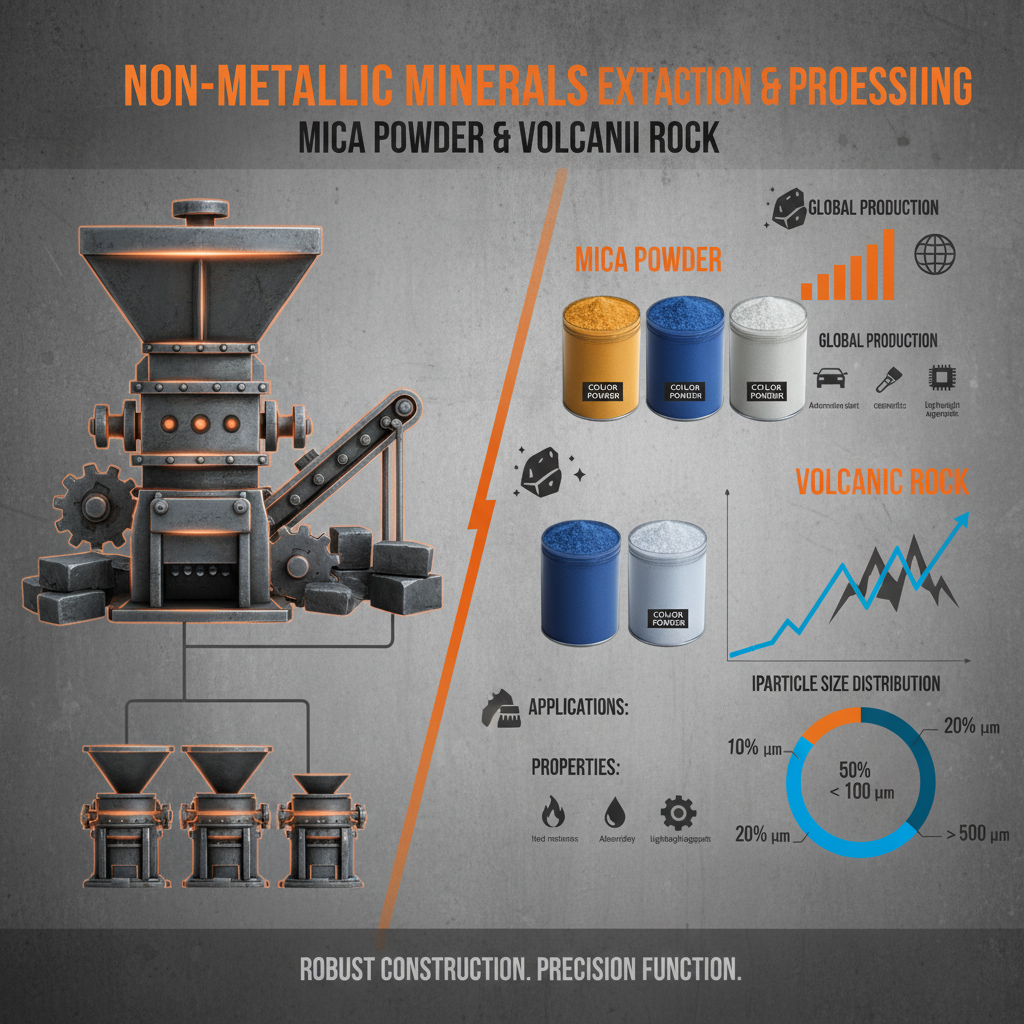
Color mica powder isn't a single color, but rather a family of pigments created by coating mica flakes with various metal oxides. Mica is a naturally occurring mineral known for its excellent reflective qualities. This creates a pearlescent, shimmering effect that's prized in countless applications. The metal oxides determine the final color of the powder, offering a virtually limitless palette. Different grades of mica powder exist, influencing the particle size and intensity of the shimmer.
Key Takeaway: Color mica powder consists of natural mica flakes coated with metal oxides, producing a shimmering and versatile pigment available in countless colors.
Applications Across Diverse Industries
The versatility of color mica powder means it's used in a surprisingly broad spectrum of industries. In cosmetics, it adds shimmer to eyeshadows, lipsticks, blush, and nail polishes. Artists employ it in paints, resins, and mixed media projects to create unique textures and effects. The automotive industry uses it in paints for a captivating iridescent finish. It’s also a popular additive in epoxy resins for creating stunning countertop and table designs. Finally, plastics, coatings and building materials often benefit from the aesthetic boost provided by mica powders. Shunmining offers a wide range of colors tailored to specific industry needs.
Popular Applications:
• Cosmetics (eyeshadow, lipstick, blush)
• Arts & Crafts (paints, resins)
• Automotive Paints
• Epoxy Resin Art
Understanding Different Types of Color Mica Powder
Not all color mica powders are created equal. They can be categorized based on particle size, color intensity, and coating type. Ultrafine mica powders are ideal for cosmetics and create a smooth, even application. Larger particle sizes are better suited for epoxy resin art, providing a more textured look. Synthetic Fluorphlogopite mica, for example, offers superior purity and brilliance compared to natural mica. The choice depends on the desired aesthetic and the application method.
Color Mica Powder: Safety Considerations
While generally considered safe, it's crucial to take precautions when working with color mica powder. Avoid inhaling the powder, as it can cause respiratory irritation. Always wear a dust mask or respirator when handling large quantities. Similarly, prevent contact with eyes and skin, using gloves and eye protection. Ensure adequate ventilation in your workspace. Choosing reputable suppliers, like Shunmining, who provide quality-tested pigments can also minimize potential risks.
Sourcing High-Quality Color Mica Powder
Choosing a reliable supplier is vital for ensuring the quality and consistency of your color mica powder. Look for suppliers who offer detailed product information, including particle size, purity, and safety data sheets (SDS). Consider factors like pricing, shipping options, and customer reviews. Shunmining specializes in providing a wide selection of high-quality mica powders with competitive pricing and exceptional customer service.
Conclusion: Unleash Your Creativity with Color Mica Powder
Color mica powder offers a world of possibilities for artists, manufacturers, and crafters alike. Its versatility, shimmering effect, and wide range of colors make it an indispensable pigment. By understanding the different types, safety precautions, and sourcing options, you can unlock the full potential of this captivating material. Choose a trusted supplier like Shunmining to ensure you receive high-quality pigments for your next project.
Frequently Asked Questions (FAQs)
Is color mica powder safe for cosmetic use?
Generally, yes, color mica powder specifically manufactured for cosmetic use is considered safe, provided it meets industry standards and regulations. However, it’s crucial to purchase from reputable suppliers who ensure their pigments are free from contaminants like heavy metals. Look for cosmetic-grade mica powders that have undergone rigorous testing and comply with FDA or similar regulatory body guidelines. Always perform a patch test before applying any new cosmetic product to your skin.
How do I properly mix color mica powder with epoxy resin?
To achieve the best results, start with a small amount of mica powder (around 1-2% by weight of the resin). Slowly add the powder to the mixed resin and hardener, stirring thoroughly to ensure even dispersion. Avoid adding too much powder at once, as this can affect the curing process. You may need to adjust the amount of mica powder depending on the desired color intensity. Ensure the powder is fully incorporated to prevent settling or streaking.
Can I use color mica powder in other mediums besides resin and cosmetics?
Absolutely! Color mica powder is incredibly versatile. It can be added to paints (acrylic, oil, watercolor), varnishes, soaps, candles, slime, and various crafting materials. The amount of mica powder needed will vary depending on the medium and desired effect. Experimentation is key to discovering the possibilities!
How do I store color mica powder to prevent clumping?
Store color mica powder in an airtight container in a cool, dry place away from direct sunlight. Moisture is the main culprit for clumping, so ensuring a tight seal is essential. If the powder does clump, you can gently break it up with a spoon or by sifting it through a fine mesh sieve.
Share
-
Guide to Expand Vermiculite Properties and Industrial ApplicationsNewsApr.16,2026
-
Ultimate Guide to Drilling Bentonite for Borehole StabilityNewsApr.09,2026
-
Exploring Dolomite Stone Properties Applications and Sourcing OptionsNewsApr.07,2026
-
Comprehensive Guide to Dolomite Powder Applications and Industrial BenefitsNewsApr.04,2026
-
Comprehensive Guide to Diatomite Properties Applications and SourcingNewsMar.31,2026
-
Exploring Diatomaceous Earth A Comprehensive Guide to Uses and BenefitsNewsMar.28,2026


