The global demand for high-performance concrete additives has led to a critical re-evaluation of the supply chain involving silica fume manufacturers. As infrastructure projects push the boundaries of load-bearing capacity and durability, the role of micronized silica as a pozzolanic material has transitioned from a specialized additive to a core requirement for high-strength engineering.
The technical challenge lies in the consistency of the amorphous silica content and the particle size distribution, which directly influence the packing density of the cementitious matrix. For procurement engineers and project managers, identifying manufacturers who can guarantee chemical stability and precise grading is essential to avoid structural vulnerabilities like shrinkage cracks or poor workability in extreme climates.
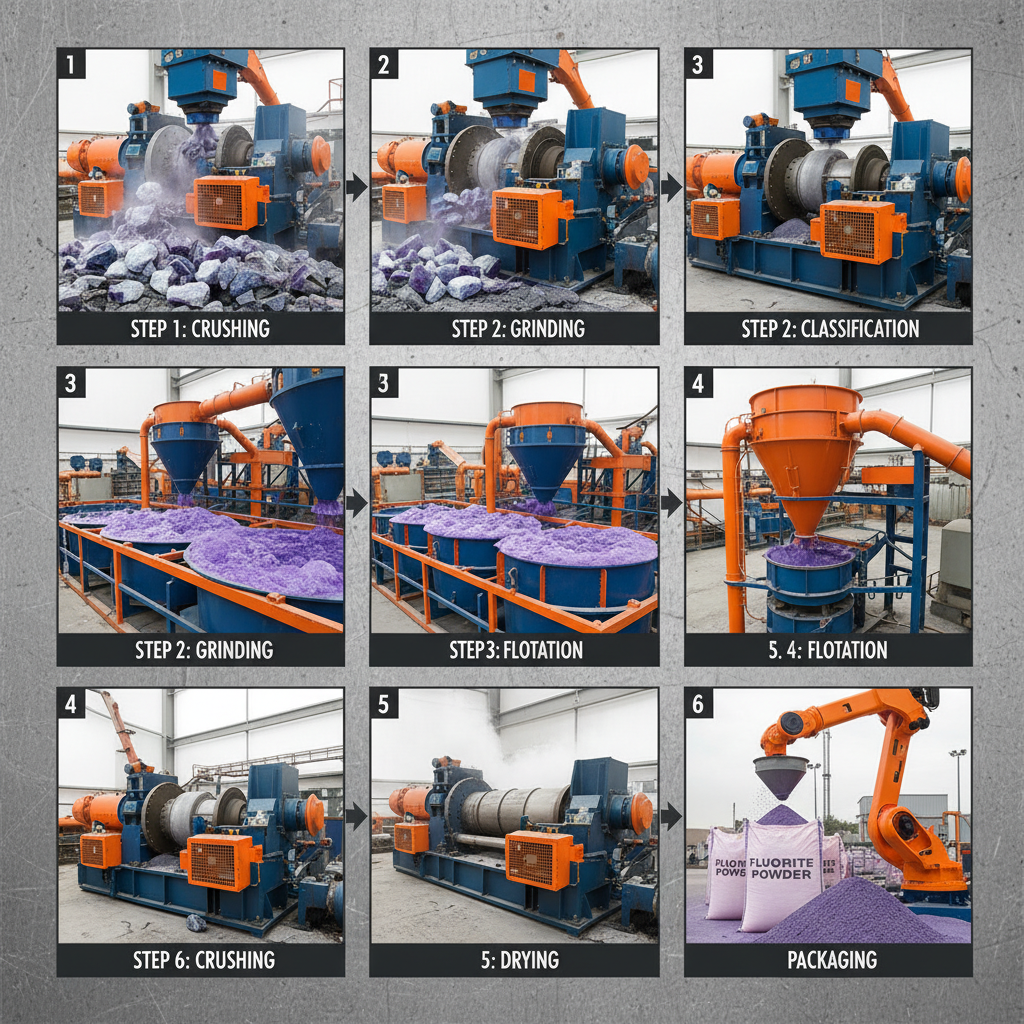
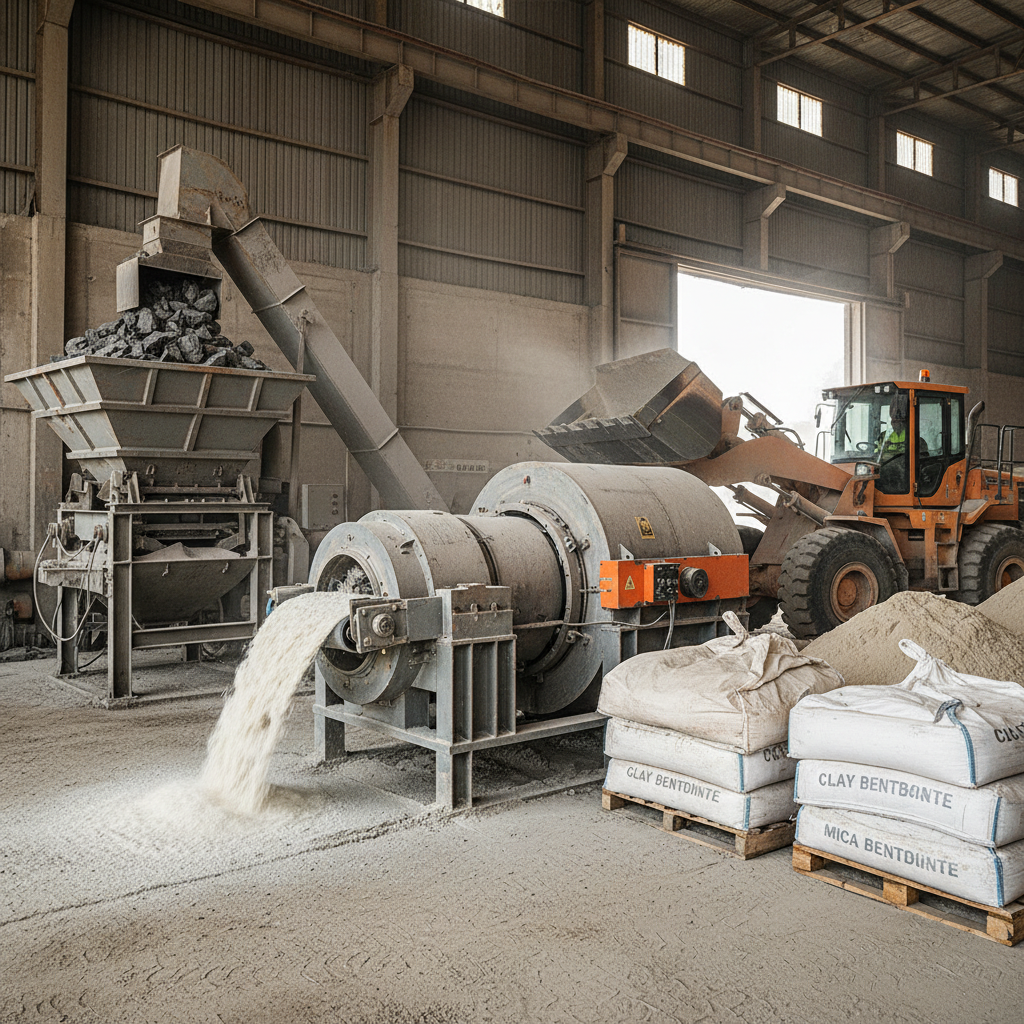
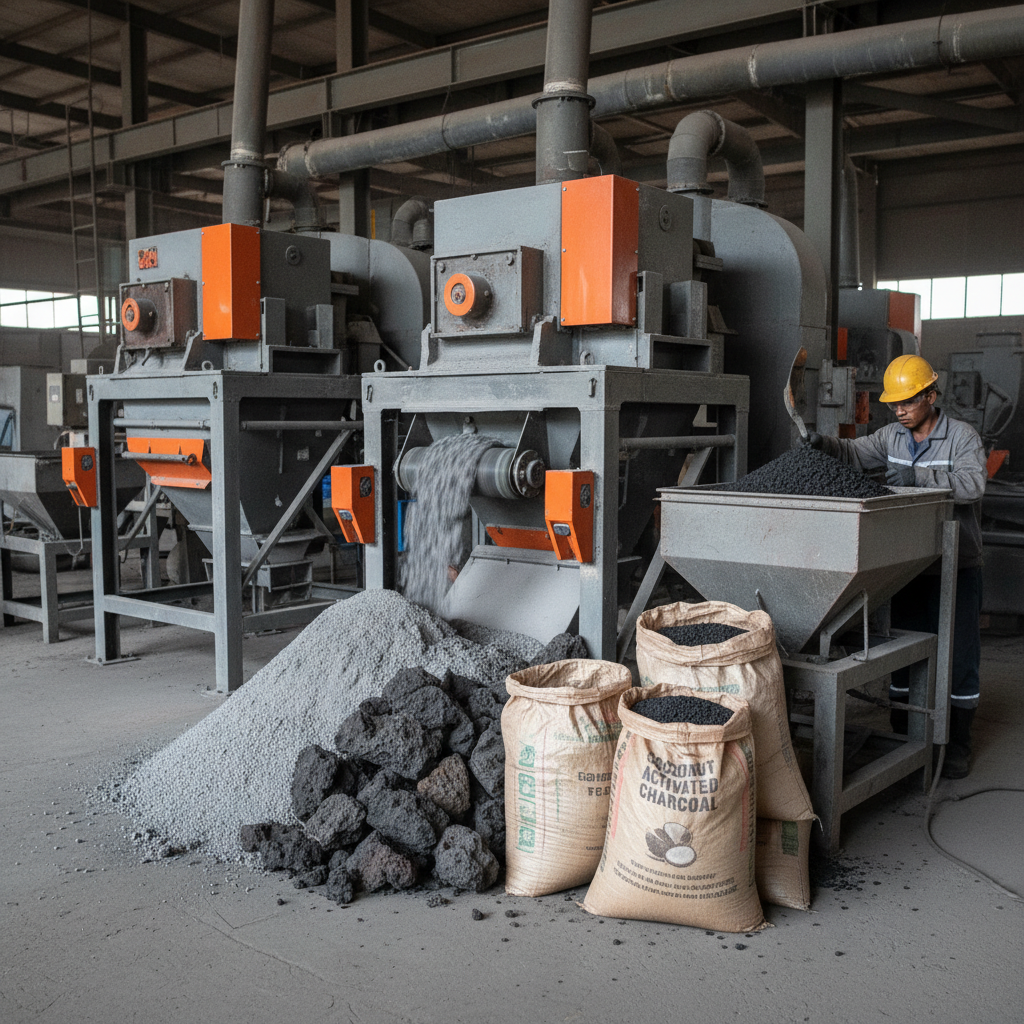
This analysis explores the technical criteria for evaluating production capabilities, the impact of mineral processing on additive performance, and how specialized materials like resin-coated sands complement high-performance casting and construction environments.


The primary value of silica fume is its ability to react with calcium hydroxide—a byproduct of cement hydration—to create additional calcium silicate hydrate (C-S-H) gel. This chemical transition densifies the interfacial transition zone between the aggregate and the paste, significantly reducing permeability.
Beyond the chemical reaction, the physical "filler effect" is critical. Because the particles are roughly 100 times smaller than average cement grains, they fill the microscopic voids, creating a highly compact structure that resists chloride penetration and sulfate attack.
When auditing silica fume manufacturers, the SiO2 content must be the primary benchmark. High-purity amorphous silica (typically >90%) is required to ensure the pozzolanic reaction occurs efficiently. Any crystalline silica contamination can hinder the reaction and potentially introduce durability risks in specific environmental conditions.
Particle size distribution (PSD) is the second critical factor. A narrow distribution ensures predictable rheology, while a wide distribution may improve packing density but complicate the mixing process. Engineers must verify the specific surface area (Blaine value) to determine the water demand of the concrete mix.
Finally, the carbon content (loss on ignition) must be minimized. Excessive carbon residuals from the production process can lead to air entrainment and reduced compressive strength, making strict quality control during the collection and processing phase a non-negotiable requirement.
Integrating high concentrations of micronized silica inevitably increases the water demand of the mix due to the massive increase in total surface area. This creates a fundamental conflict between achieving ultra-high strength and maintaining a workable slump for casting.
Furthermore, the timing of the addition is critical. Premature mixing can lead to rapid viscosity increases, while late addition may result in inhomogeneous distribution, leading to localized weak points in the structural element.
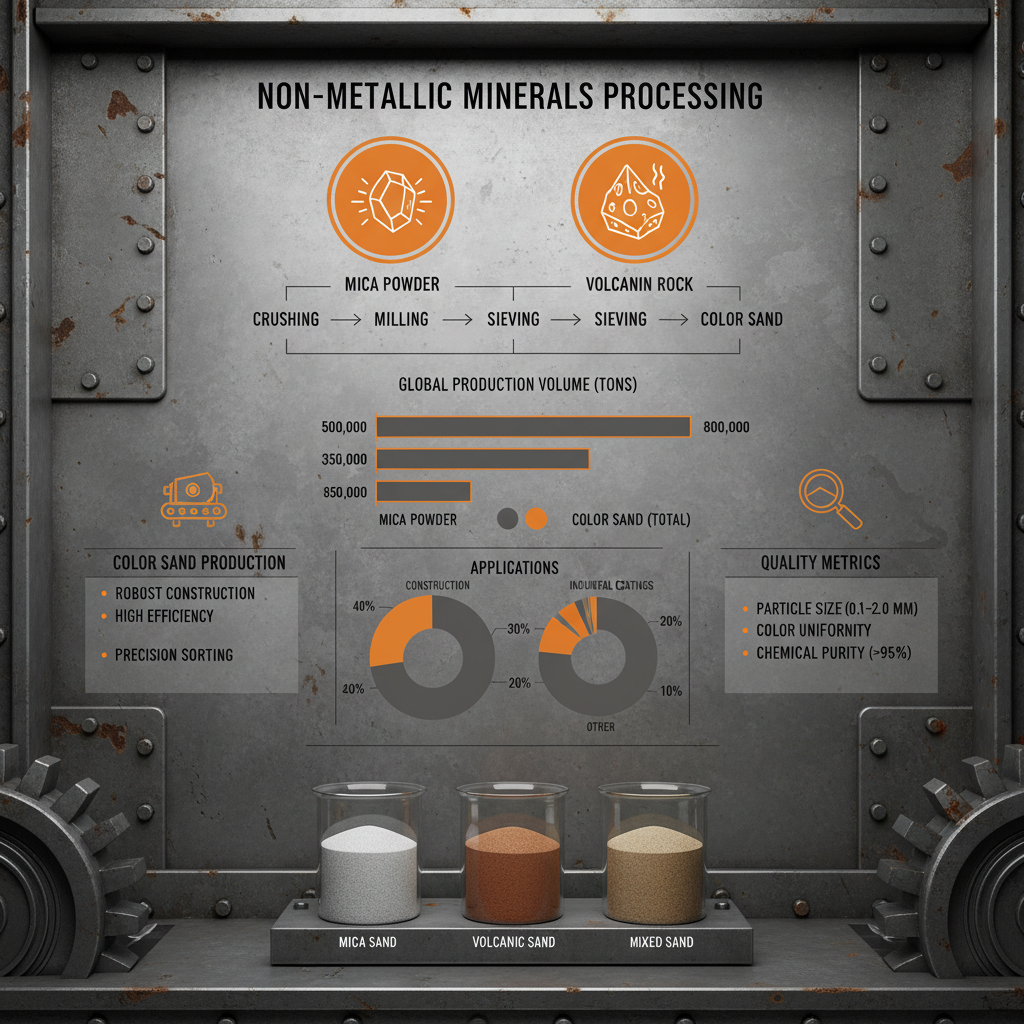
Evaluating the efficacy of different mineral additives requires a normalized approach to compare compressive strength, permeability resistance, and workability. These metrics allow procurement teams to determine the optimal dosage based on the specific requirements of the project.
The following data represents a relative engineering assessment of typical additive profiles used in high-performance mineral processing and construction contexts.
In heavy industrial casting, the need for thermal stability and mold strength is paramount. While silica fume enhances concrete, the foundry industry utilizes resin-coated sands to achieve similar high-precision results in steel and iron castings. These materials provide essential high-temperature resistance and low expansion, ensuring that complex molds for automobile engines and hydraulic parts maintain their geometric integrity.
The integration of high-particle-strength coated sand ensures that the shell layer remains uniform and does not peel during the curing process. This synergy between high-grade mineral fillers and resin coating systems represents the current state-of-the-art in non-metallic mineral application for precision engineering.
The industry is shifting toward "precision mining," where the focus is not just on volume but on the chemical tailoring of the mineral output. Future developments are expected to center on the removal of trace impurities that affect the long-term carbonation of high-strength concrete.
Furthermore, the move toward circular economy models is driving silica fume manufacturers to optimize the capture of by-products from silicon and ferrosilicon alloy production, reducing waste while improving material purity.
Automation in processing—specifically the use of AI-driven grading systems—will likely allow for the production of "custom-grade" silica fume, tailored to the specific cement chemistry of the end-user, thereby optimizing the pozzolanic efficiency.
Choosing between different mineral fillers depends on the operating environment and the required mechanical properties. While silica fume offers the highest strength gains, other configurations may be more appropriate for different industrial needs.
The following matrix compares different mineral configuration profiles based on engineering requirements.
This evaluation framework helps procurement officers align material specifications with actual deployment scenarios in civil engineering and industrial casting.
| Configuration Type | Primary Metric | Operating Factor | Recommended Use Case |
|---|---|---|---|
| Basic Grade | Standard SiO2 | Moderate Density | General Construction |
| High-Purity Grade | Ultra-high SiO2 | High Reactivity | Marine Structures |
| Precision-Graded | Optimized PSD | Low Permeability | Bridge Girders |
| Resin-Coated Profile | Thermal Stability | High-Temp Resistance | Precision Foundry |
| Industrial Baseline | Mixed Pozzolan | Cost-Efficiency | Standard Pavements |
| High-Duty Profile | Max Compaction | Extreme Load | Nuclear Containment |
Silica fume generally accelerates the early-stage strength gain due to its high surface area and pozzolanic activity. However, it can increase the risk of plastic shrinkage cracking because it reduces the bleeding rate of the concrete. Proper curing protocols, including moist curing or the use of curing compounds, are essential to mitigate this effect.
High carbon content, often found in lower-grade products from certain manufacturers, can lead to an increase in air content within the concrete mix. This typically results in a decrease in compressive strength and can negatively affect the bond between the paste and the aggregate. Testing for Loss on Ignition (LOI) is the standard method to control this.
Buyers should request a full chemical analysis (XRF) and a particle size distribution report (Laser Diffraction). Verification of the production process—whether the material is collected via high-efficiency filters or produced via chemical precipitation—is also critical, as this dictates the morphology and purity of the particles.
No. Standard silica fume is a pozzolanic additive for cementitious systems, whereas resin-coated sand is a specialized molding material for foundries. While both involve silica, the resin coating provides the binding strength and thermal stability required for steel and iron castings, which is not required (and would be detrimental) in concrete.
Typically, cement replacement levels range from 5% to 15% by weight. Exceeding 15% often leads to excessive water demand and an increase in the risk of shrinkage, without providing significant additional strength gains. The optimal percentage depends on the specific cement type and the required target strength.
Smaller, more uniform particles are more effective at filling the voids between cement grains. This creates a more tortuous path for water and ions to penetrate, which significantly reduces the permeability of the structure. This is why the grading standards provided by silica fume manufacturers are critical for durability-focused projects.
The transition toward ultra-high-performance materials in both construction and industrial casting necessitates a rigorous approach to mineral selection. The evidence suggests that the synergy between high-purity amorphous silica and optimized aggregate grading is the only viable path to achieving maximum density and minimal permeability.
For organizations operating in high-stress environments, the choice of silica fume manufacturers must be based on verified chemical stability and precise particle distribution. By aligning material specifications with the specific engineering challenges of the project—whether it be thermal resistance in a foundry or chloride resistance in a bridge—companies can ensure long-term structural integrity and operational efficiency.